Jakarta, October 11, 2025 — The sixth panel session of the Indonesia International Sustainability Forum (ISF) 2025 focused on one of the country’s most strategic economic frontiers: critical minerals. Under the theme “Enhancing Downstreaming: Sustainable Investment in Critical Minerals Industries,” the session brought together key policymakers and industry leaders to explore how Indonesia can expand value creation through sustainable and inclusive downstream strategies.
Moderated by Ashwin Balasubramanian, Partner and Co-leader of McKinsey Sustainability Growth Platform at McKinsey & Company, the discussion featured Nurul Ichwan (Deputy Minister for Investment Promotion, Ministry of Investment and Downstream Industry), Raelene Martine (Head of Sustainability, International Chamber of Commerce), Tony Wenas (President Director, Freeport Indonesia), Utomo Nugroho (Director of Infrastructure and Operation, Krakatau Steel), Walter Lin (Managing Director, SEDEX), and Handi Sutanto (Director of Commercial, PT Aneka Tambang).
Indonesia’s Critical Role in the Global Energy Transition
Opening the discussion, Balasubramanian noted that critical minerals such as nickel, copper, aluminum, and tin are essential to the global energy transition, powering renewable technologies, electric vehicles, and energy storage systems. He emphasized that Indonesia’s rich mineral endowment positions it as a key player in the global supply chain, but the nation must navigate challenges of global competition, overcapacity, and sustainable investment returns.

Nurul Ichwan highlighted that growing geopolitical tensions and the rise of “techno-nationalism” have reshaped the global mineral landscape. He underlined the importance of fair collaboration between resource-rich nations and technology-advanced economies, adding that Indonesia’s downstreaming agenda should not only aim for higher export value but also ensure compliance with global sustainability standards such as those set by the European Union and China.
Toward a Holistic and Circular Downstream Strategy
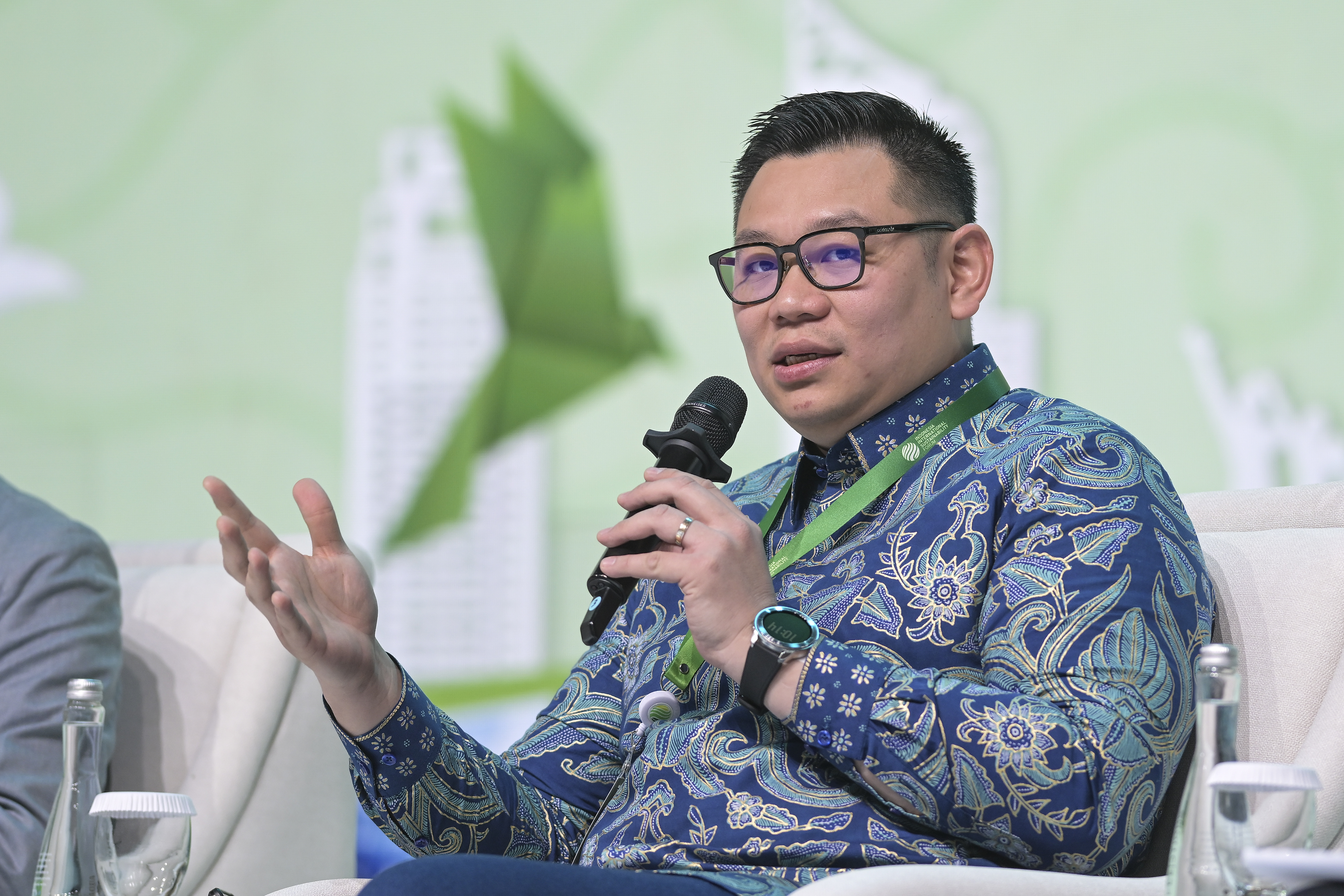
Representing PT Aneka Tambang (Antam), Handi Sutanto shared insights on how Indonesia can create a more integrated and circular downstream ecosystem. He stressed the need to align policies with market realities, particularly in promoting nickel-based battery production and managing environmental challenges in bauxite processing. He also advocated for strengthening domestic gold refining and ensuring locally mined gold is processed and marketed within Indonesia.
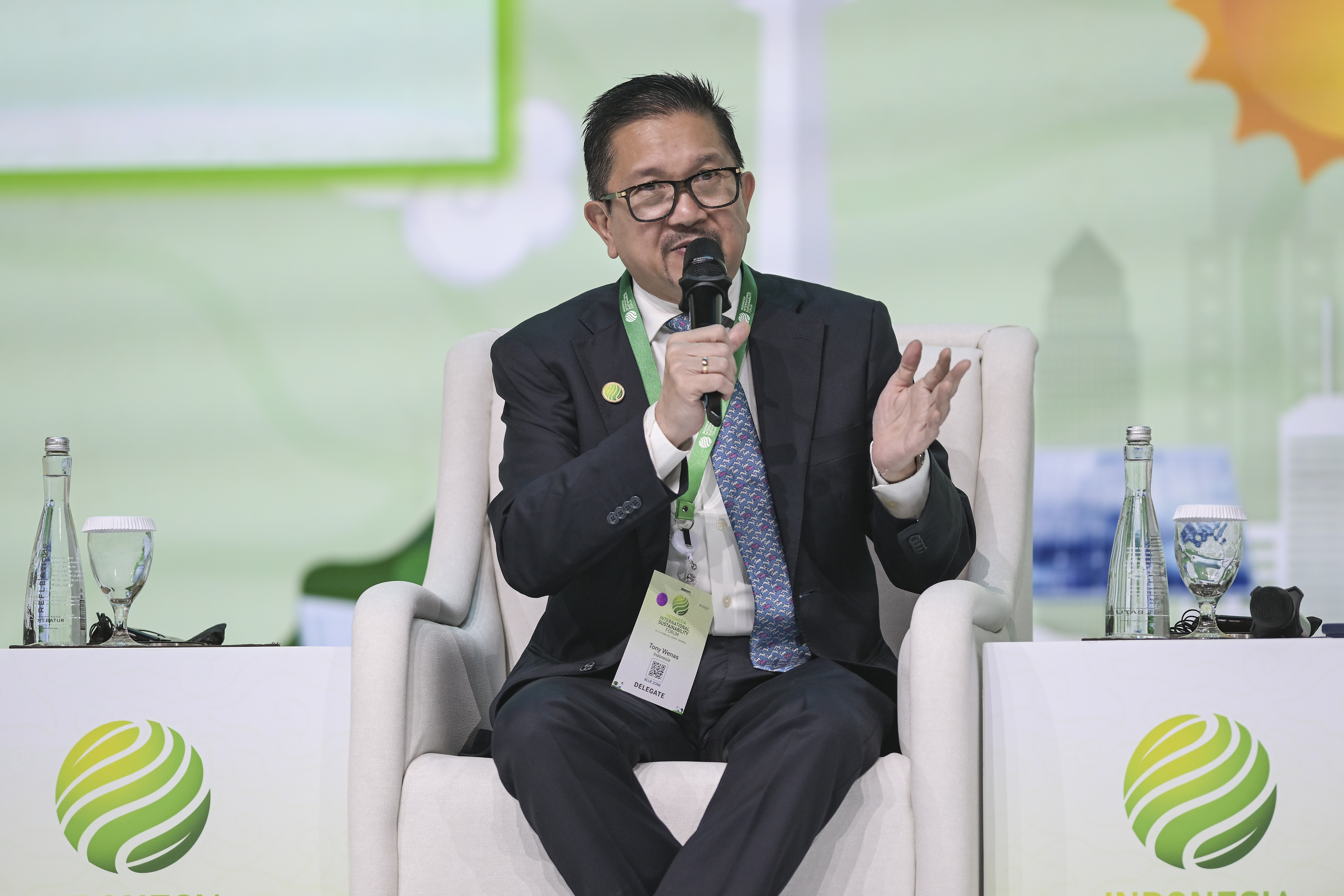
Tony Wenas of Freeport Indonesia echoed this call for a holistic approach, emphasizing the importance of developing integrated mineral strategies that connect upstream and downstream sectors. He detailed Freeport’s efforts to embed sustainability in its operations, including the transition to zero-emission electric trains for ore transport and the expansion of copper smelting capacity to retain more value domestically. “The availability of copper cathodes in Indonesia will attract new downstream investments and accelerate our economic growth,” he said.
Balancing Growth with Environmental and Social Responsibility
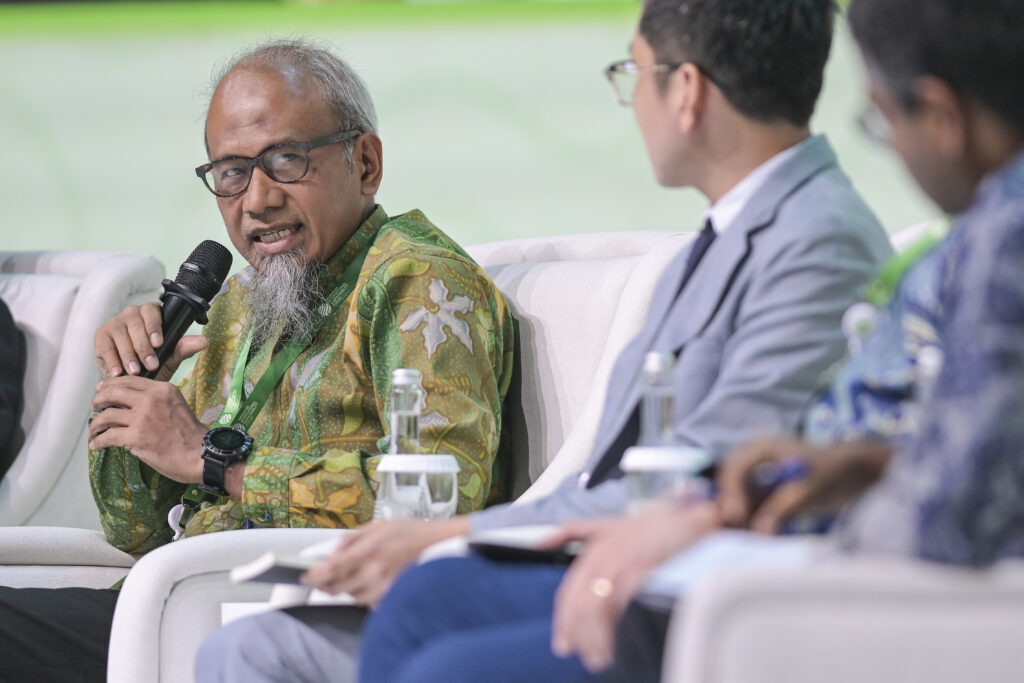
From the steel industry perspective, Utomo Nugroho of Krakatau Steel outlined the company’s roadmap for balancing economic growth and environmental responsibility. He shared that Krakatau Steel is transitioning from coal-based to gas-based production technologies to reduce emissions while maintaining its role as a key driver of Indonesia’s industrial development.
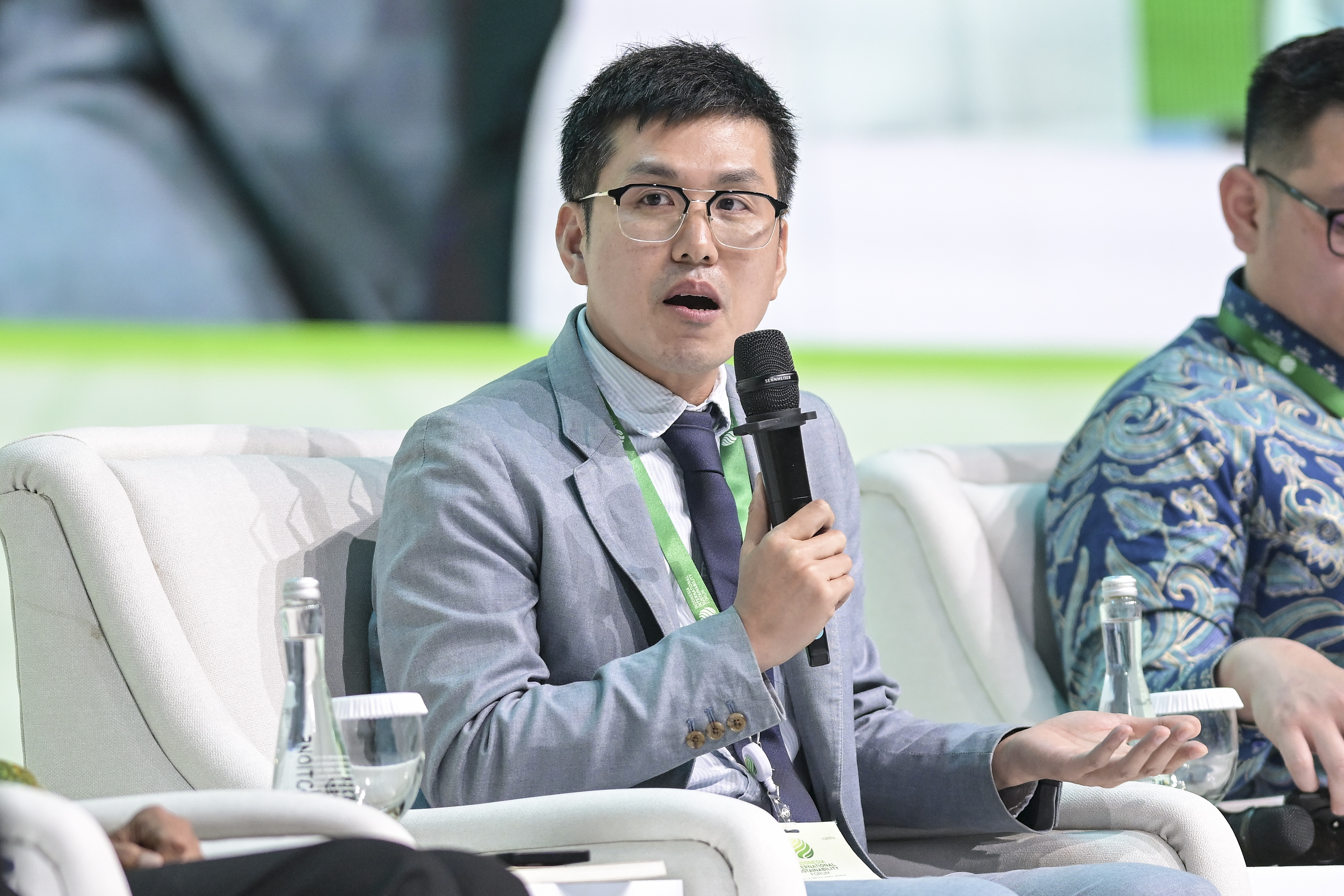
Walter Lin of SEDEX emphasized that sustainability must also include social responsibility. He urged Indonesian companies and regulators to integrate human rights due diligence, fair labor practices, and community engagement into industrial policies. “Economic growth and social justice must go hand in hand,” he said, highlighting that international investors increasingly prioritize environmental and social compliance.

Adding a global perspective, Raelene Martine from the International Chamber of Commerce underscored that environmental protection and economic competitiveness are now interdependent. She cited ongoing global efforts to improve data transparency and governance in mineral supply chains, including potential international frameworks for environmental management of metals and minerals. “Indonesia is at the frontier of aligning sustainability and industrial policy,” she said. “By deepening collaboration, the private sector can help deploy clean technologies and ensure inclusive growth.”
Unlocking Sustainable Prosperity
Closing the session, Balasubramanian noted that Indonesia has already taken significant steps toward capturing more value from its mineral resources. “The critical minerals sector matters for Indonesia, but equally, Indonesia matters in this sector,” he said. The discussion concluded with a shared optimism that through collaboration, transparency, and responsible investment, Indonesia can lead the global movement toward sustainable mineral development and secure lasting prosperity for its people.