
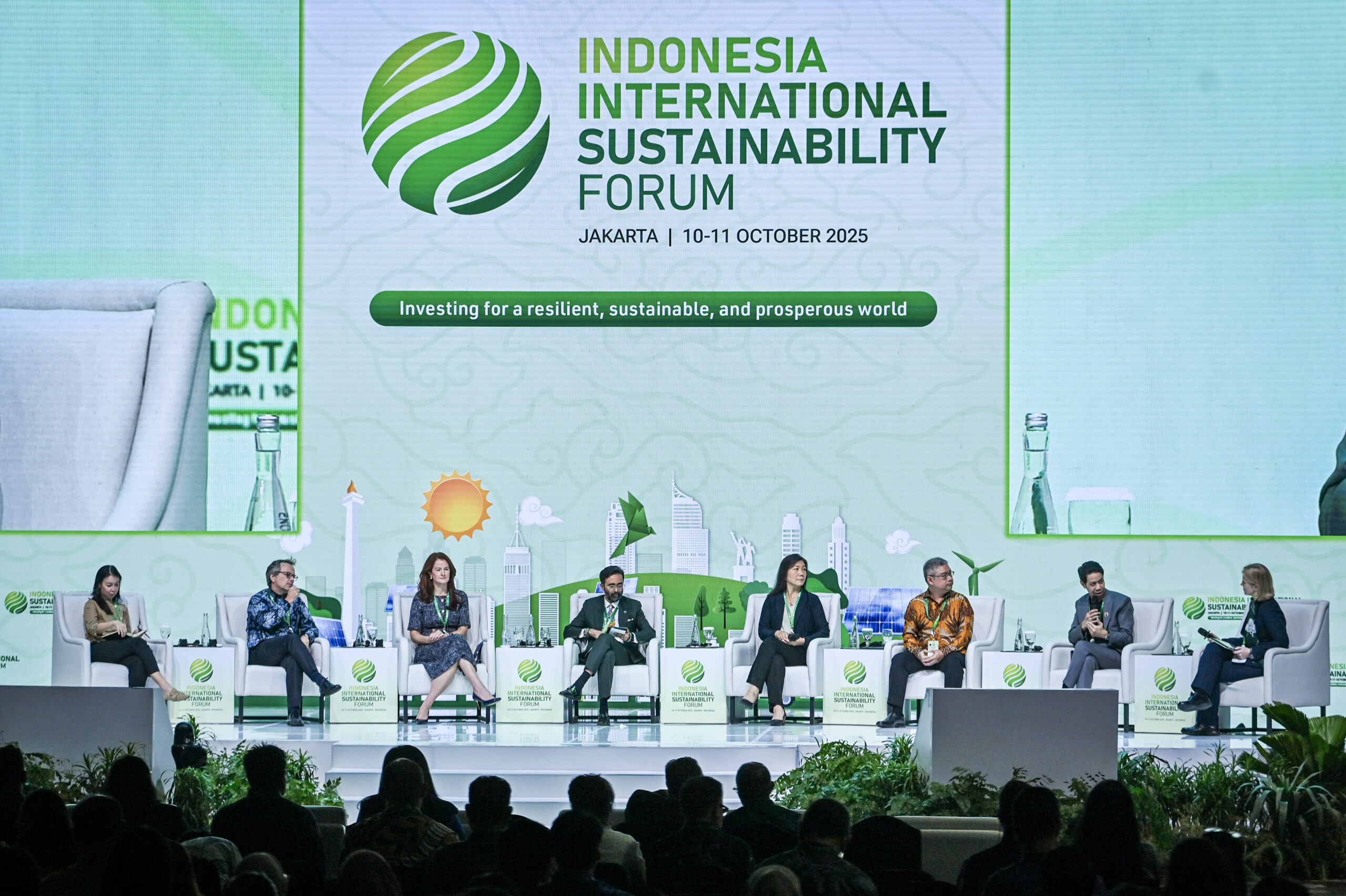

Jakarta, October 11, 2025 — The Indonesia International Sustainability Forum (ISF) 2025 featured a high-level discussion on how to channel green capital and innovative financing to accelerate the energy transition. Moderated by Eliane Wolf, Global Co-Leader of McKinsey Sustainability, the session gathered diverse perspectives from global leaders in finance, industry, and sustainability.
Panelists included Jacqueline Lam (Sustainable Energy for All), Piyachart “Arm” Isarabhakdee (BRANDI and Companies), Aldo Joson (APRIL Group), Cyndi Mackell (Siemens Energy), Euan Marshall (International Finance Corporation), Akash Mahendra Bhavsar (SUSTECH Bank), and Jaclyn Dove (Standard Chartered Bank).
Wolf opened the discussion, titled “Growing Sustainable Companies in the Energy Transition – Raising Green Capital to Drive Meaningful Transformation”, by emphasizing the need for innovative investment frameworks that bridge ambition with action. The panel explored how sustainable finance can catalyze real transformation across sectors, particularly in emerging markets like Indonesia.
Aligning Profitability and Purpose
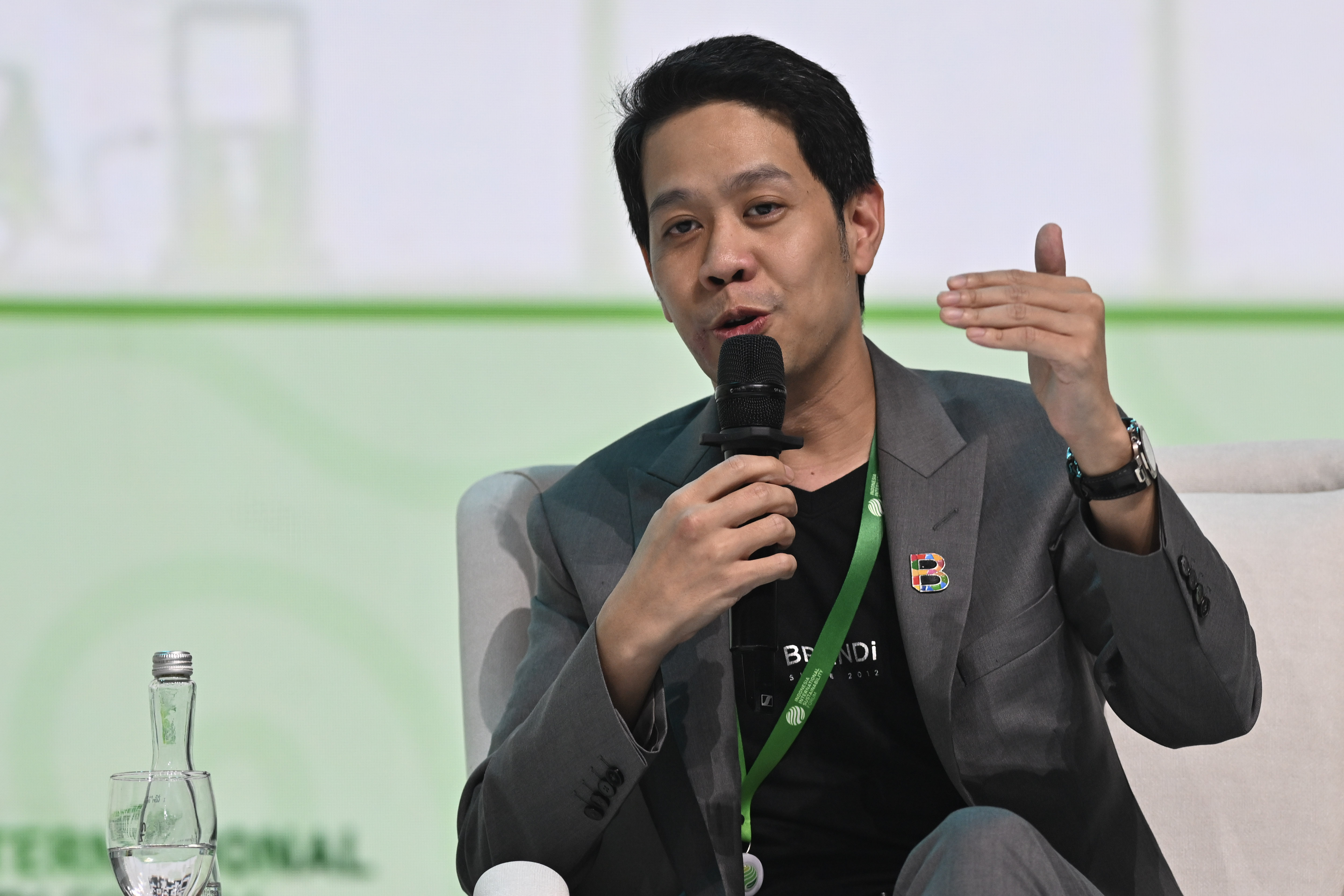
Arm Isarabhakdee highlighted that the core challenge for sustainable investment lies in reconciling purpose with profitability. “When the economy slows, the boardroom always asks, ‘Where is my return?’” he said. To move forward, investments must not only target green projects but also enable structural transition at scale that is supported by transparency, sound regulation, and technology such as AI and blockchain to ensure traceability and accountability across the value chain.
Financing the Energy Transition
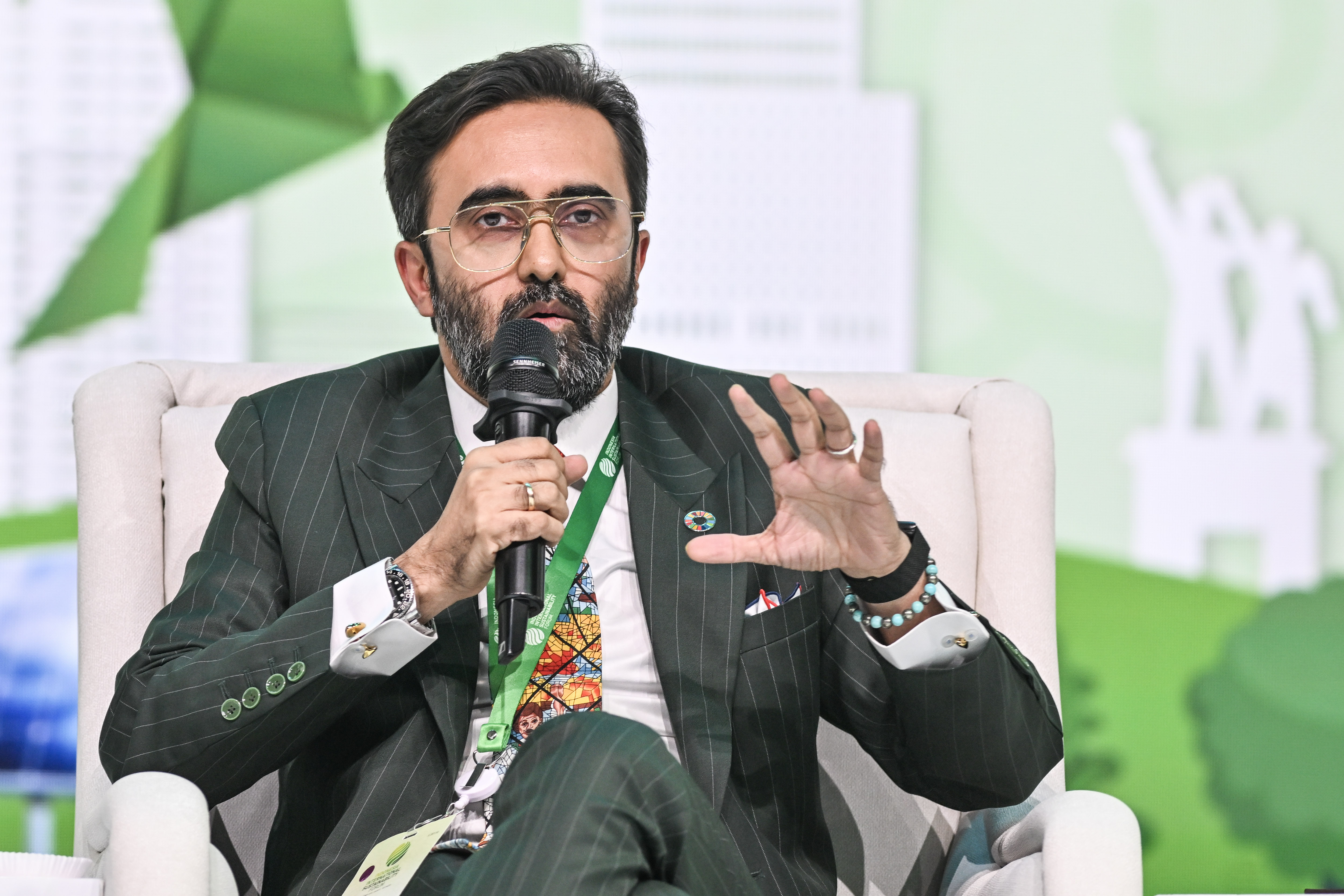
Cyndi Mackell of Siemens Energy stressed the importance of diversifying technological portfolios to ensure a just and affordable transition. “Governments and investors must work together to make sure people can access affordable, reliable, and clean energy,” she said. Mackell noted that innovations, starting from small modular nuclear to hydrogen technologies, will only become viable through long-term, collaborative investment.
Bridging Global Climate Finance and Local Action
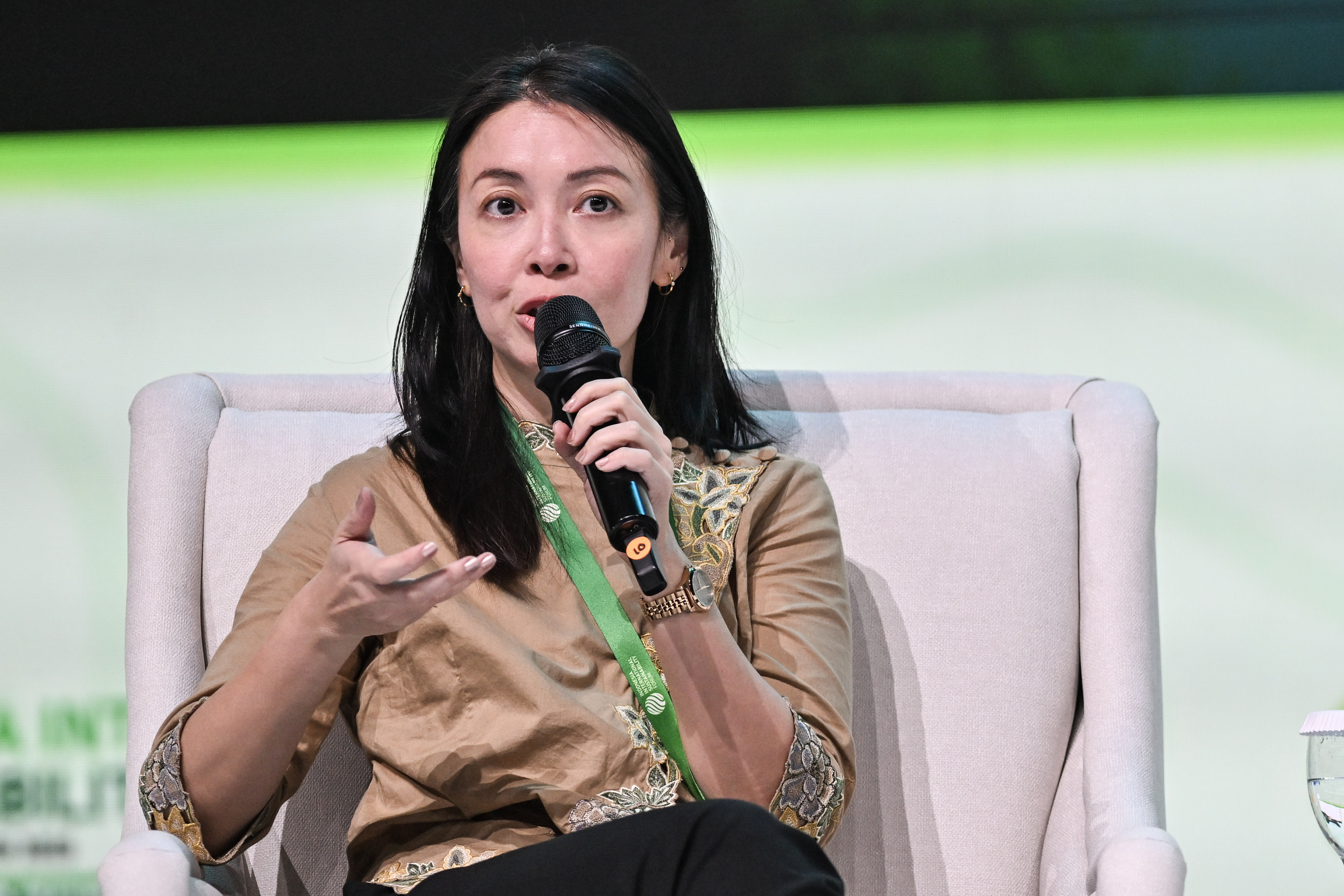
Jacqueline Lam underscored the role of data-driven planning and public-private partnerships in unlocking climate finance. “Around 70 percent of clean energy financing comes from the private sector,” she said. “To de-risk projects, we need strong preparation, local capacity building, and enabling environments that attract sustainable investments.”
Echoing this, Aldo Joson shared APRIL Group’s three-pronged community approach: raising awareness, promoting adaptation, and funding climate-resilient projects. He emphasized that sustainable transformation must be inclusive, “You cannot ask communities to change without first addressing their basic economic needs,” he said.
The Role of Multilateral Institutions and Blended Finance
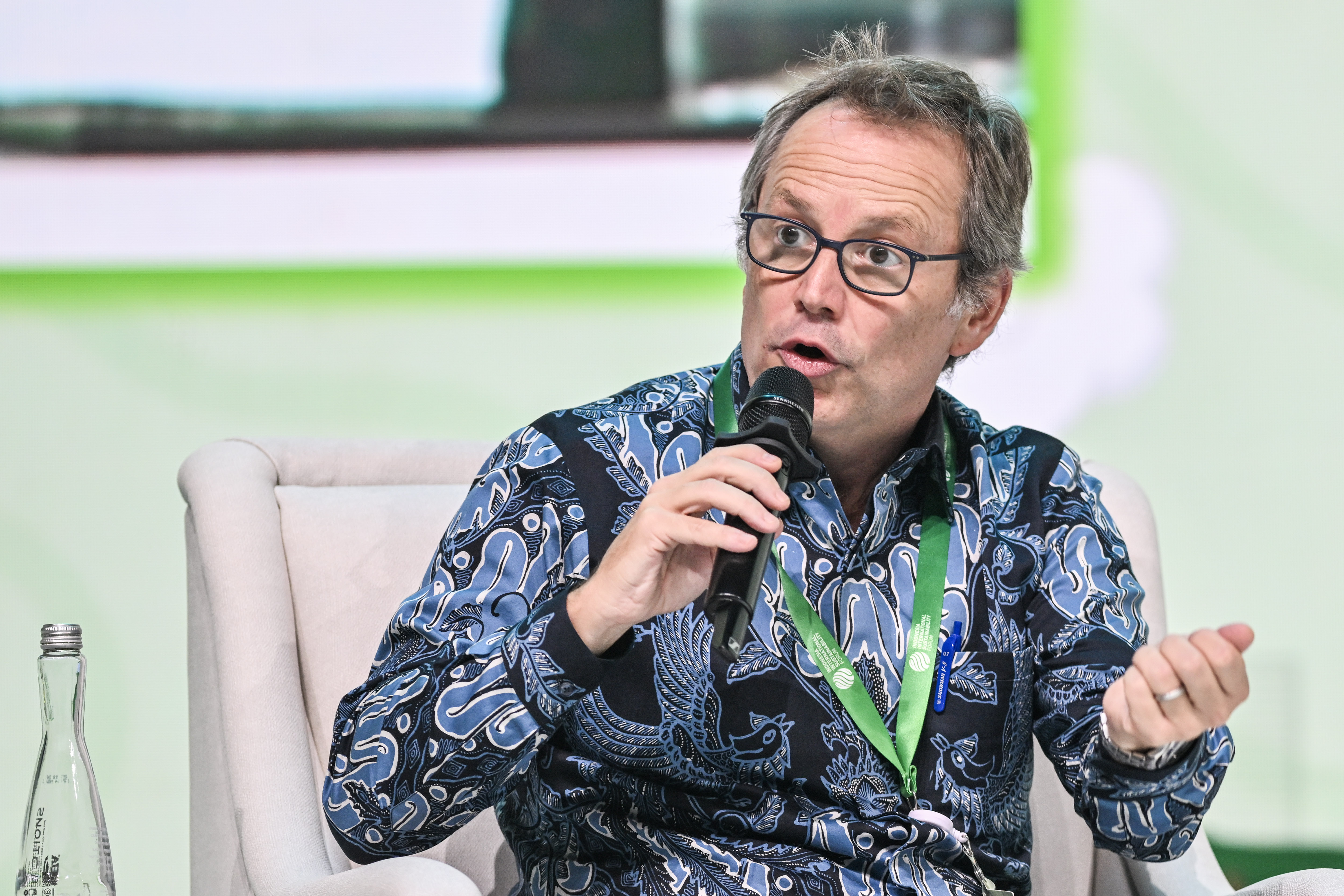
Euan Marshall of IFC highlighted five key functions of multilateral development banks: providing direct finance, mobilizing private capital, pioneering innovation, supporting policy environments, and sharing global knowledge. “We can’t do it alone, the private sector is essential,” he said.
Jaclyn Dove added that partnerships and education are central to scaling sustainable finance. “The future of financing won’t rely on traditional instruments. We need to innovate, collaborate, and share risk,” she said, noting Standard Chartered’s leadership in blended finance and sustainable lending across 52 markets.
Innovating for Impact
Akash Mahendra Bhavsar described how SUSTECH Bank leverages digital innovation and tokenization to mobilize diaspora and private capital. “The world is full of successful pilots but failed scales,” he said. “Digital tools and transparent risk management can help scale proven solutions faster.”
Empowering Communities and Strengthening the Middle
In closing, the panel returned to the human dimension of sustainability. Both Joson and Isarabhakdee emphasized empowering communities and small enterprises as the “missing middle” in the transition. “Sustainability is human,” said Isarabhakdee. “To build resilience, we must redefine competitiveness, not by who wins the most, but by who solves the biggest problems together.”
The discussion concluded with a shared conviction that sustainable growth depends on collaboration across public and private sectors, global and local levels, and above all, between people.