
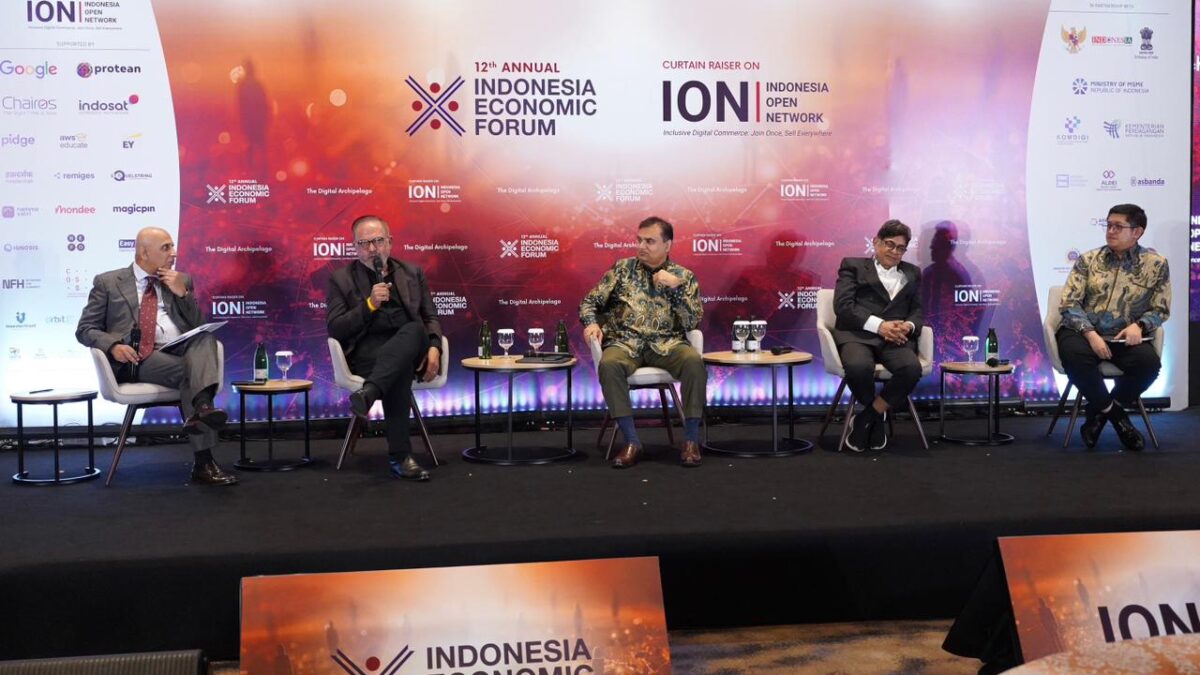

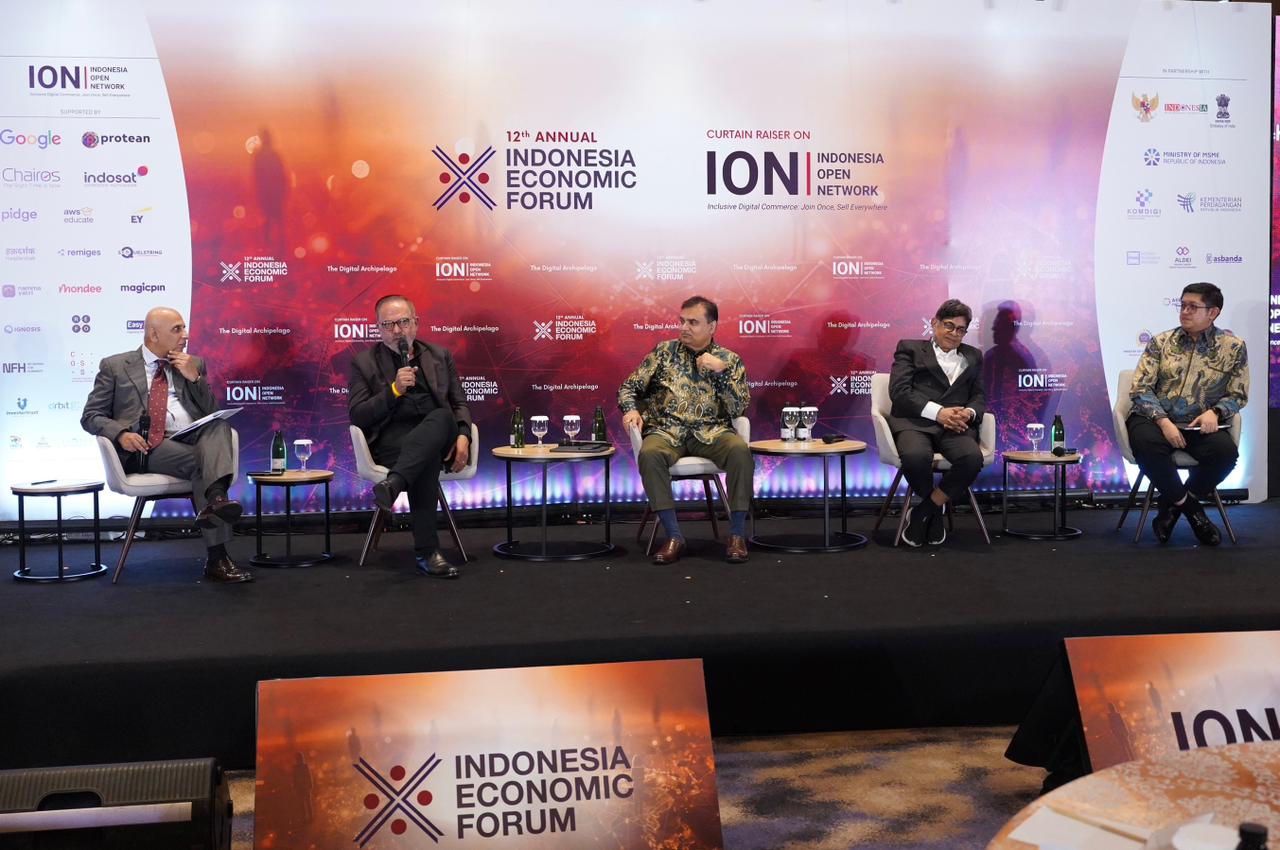
JAKARTA — IEF Talks Panel 2 titled “Delivering Digital Commerce: The Logistics Layer” took place at ARTOTEL Suites Mangkuluhur, Jakarta, discussing how logistics must transform to support a digital ecosystem built on ION.
Without strong logistics, e-commerce is ineffective
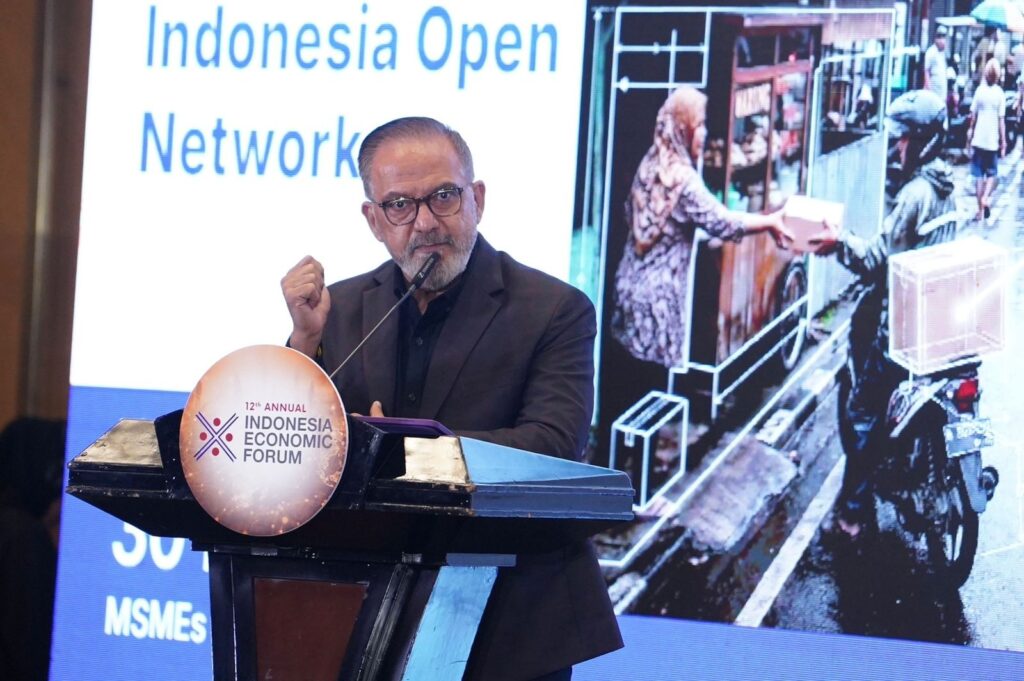
The keynote was delivered by Ratnesh Verma (Founder & CEO, PIDGE). “Digital commerce is only as strong as its logistics chain. If delivery is expensive and slow, MSMEs will not truly benefit from e-commerce,” Ratnesh emphasized.
He also highlighted the importance of an open logistics system. “ION creates opportunities for smaller logistics players to enter the digital value chain that was previously dominated by large companies,” he said.
Uniting big and small players
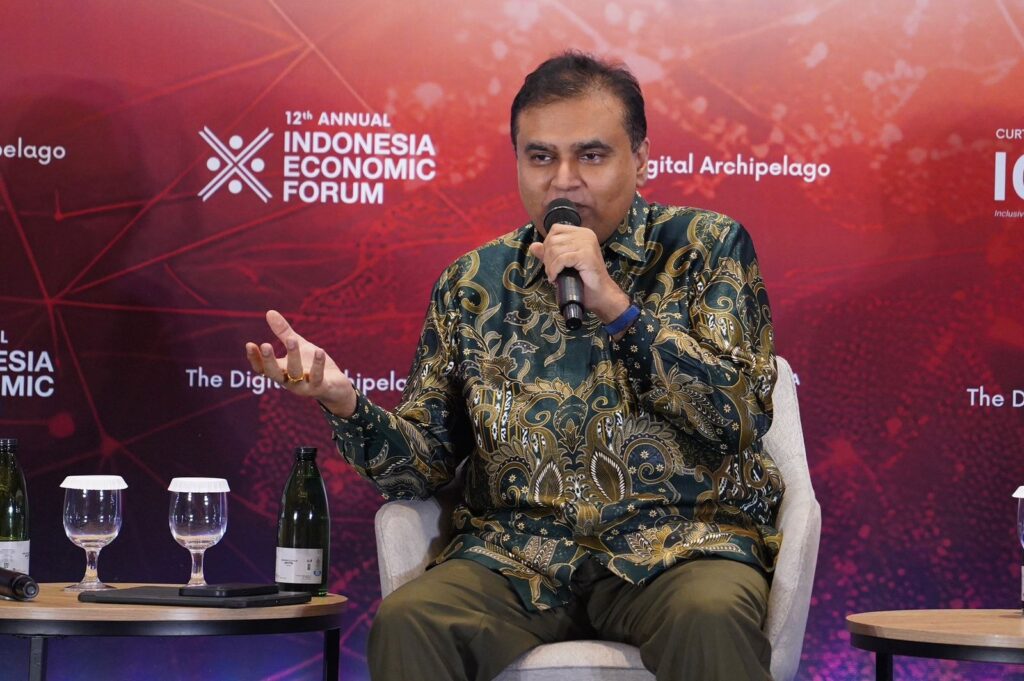
The panel was moderated by Shoeb Kagda (Co-Founder, IEF) with panelists Guruprasad Deshpande (ZAAPKO), T. Koshy (ONDC), Alfons Tefa (Automa), and Ratnesh Verma (PIDGE).
Guruprasad stressed the need for interoperability standards. “We need a common data language so all logistics players can connect seamlessly,” he said.
“Without open standards, integration will be costly and slow,” he added.
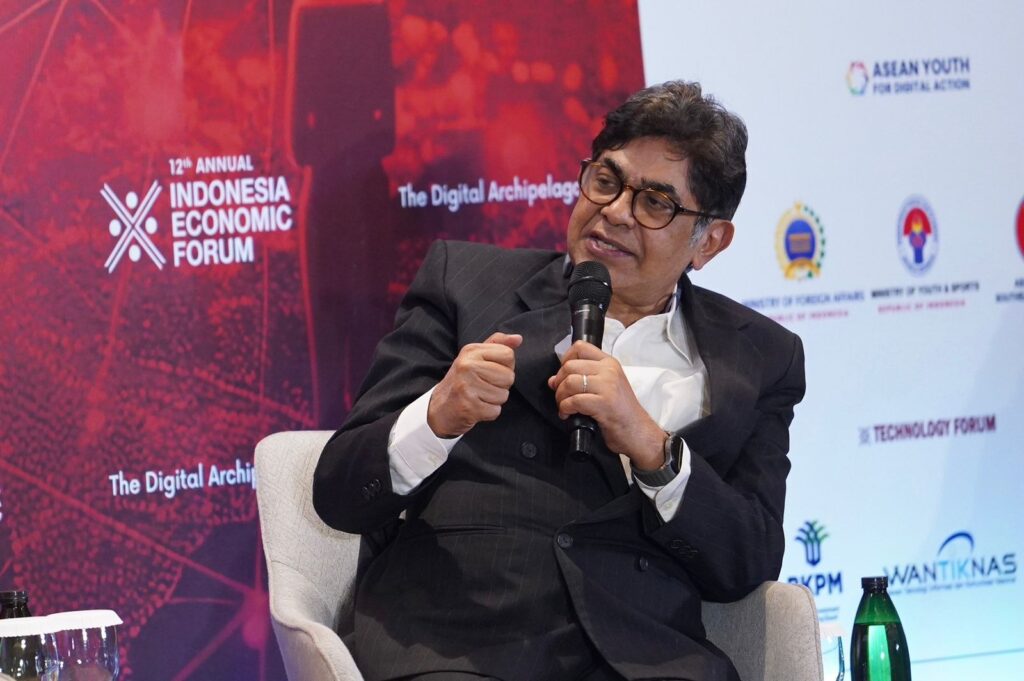
T. Koshy shared lessons from India through ONDC. “ONDC has shown that an open network can reduce logistics costs while fostering healthy competition,” he explained.
“Indonesia has a tremendous opportunity to adapt this model to its local context,” Koshy noted.
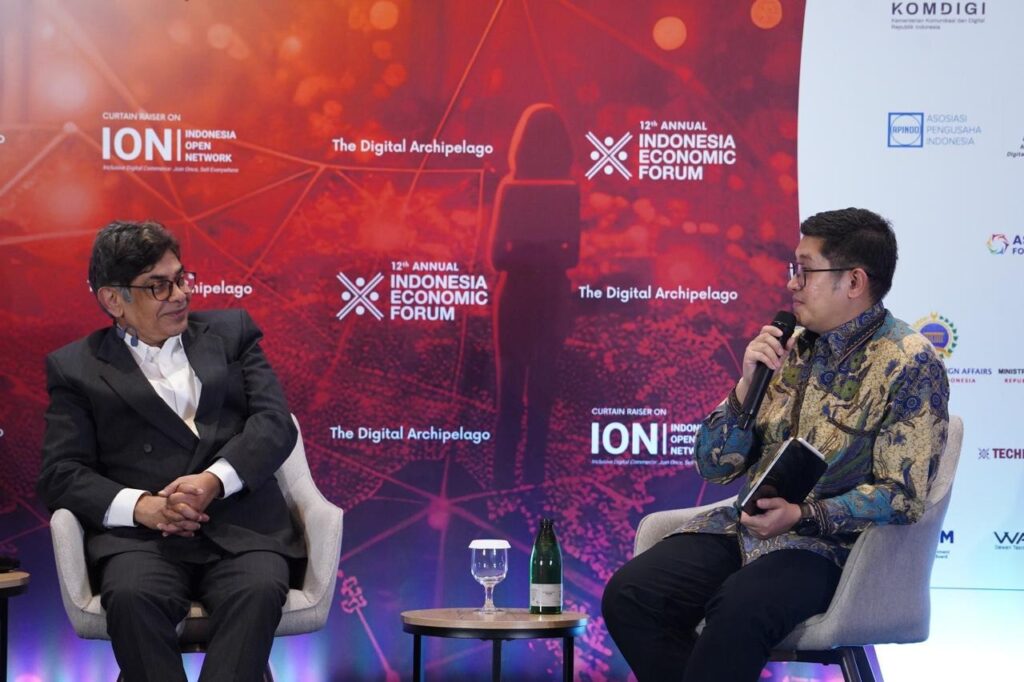
Alfons Tefa highlighted Indonesia’s challenge as an archipelagic nation. “Last-mile delivery in remote areas is the biggest challenge. We need community-based solutions, not just large corporations,” Alfons said.
“ION must encourage collaborative models that involve local couriers,” he added.
Panel conclusion
The panel concluded that logistics is not merely a supporting service, but a core infrastructure of Indonesia’s digital economy.