
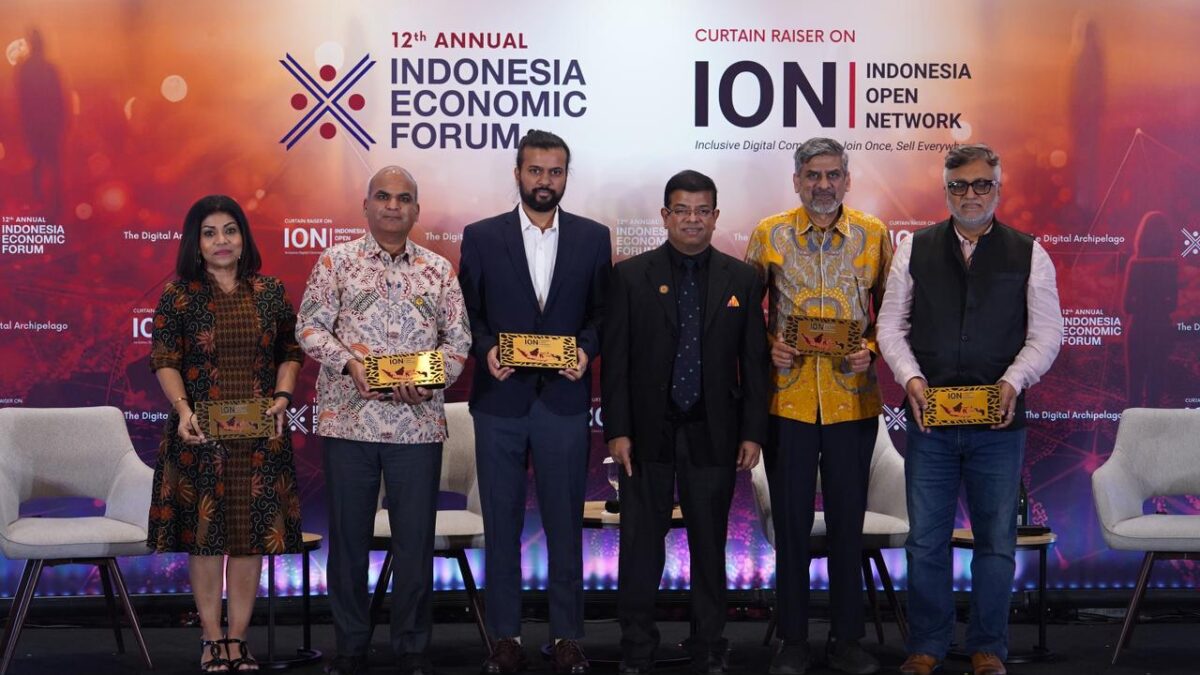

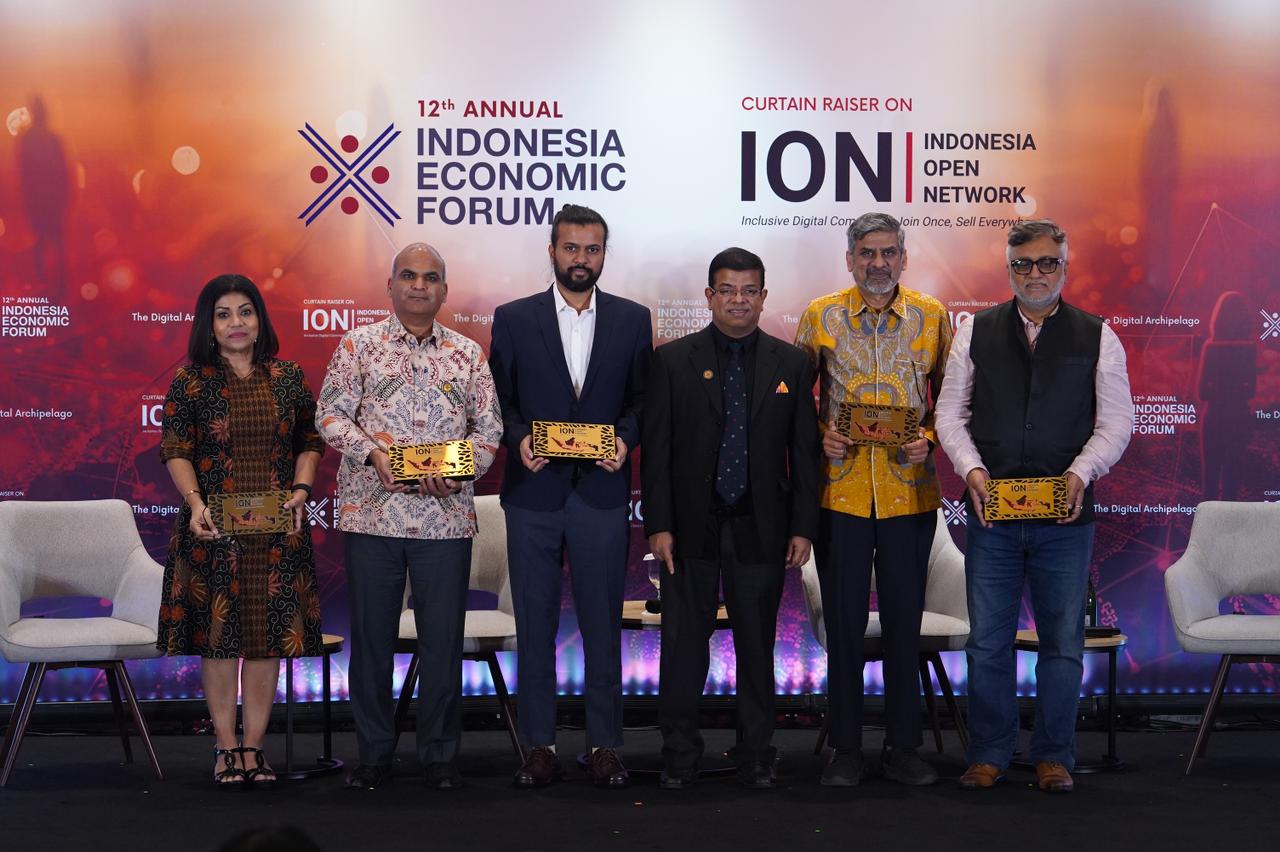
JAKARTA — The closing session of the first day featured IEF Talks Panel 3 titled “Innovate to Integrate: New Tech for a New Network” at ARTOTEL Suites Mangkuluhur, Jakarta. The discussion highlighted the need for balance between technology, regulation, and human resources.
Government prioritizes “sequence over speed”
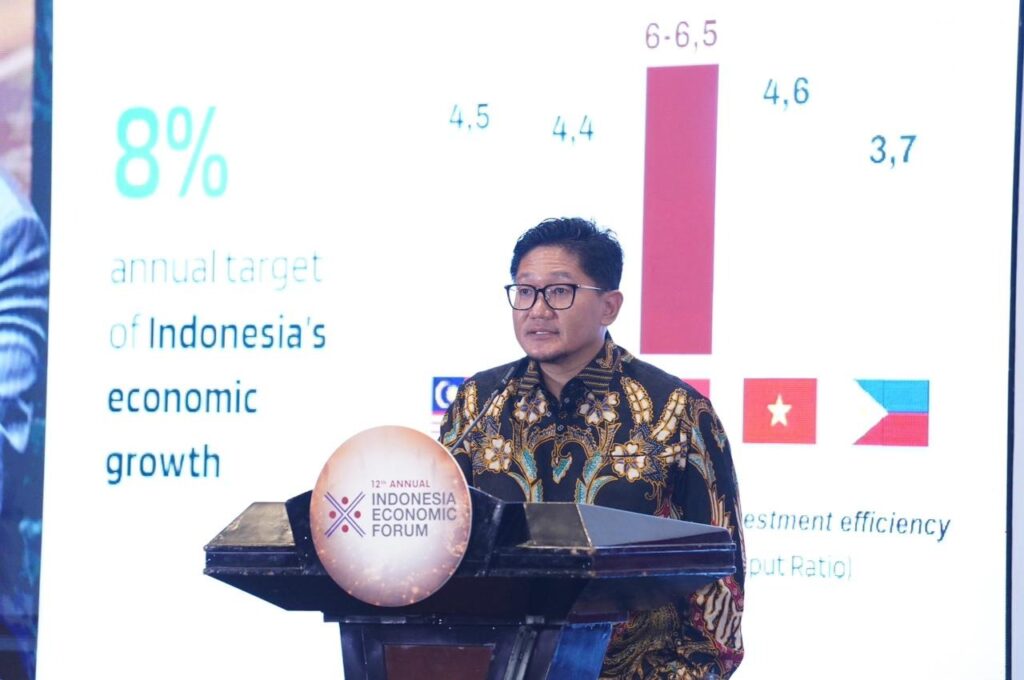
The first keynote was delivered by Dr. Sonny Sudaryana from the Ministry of Communication and Digital. “Indonesia is not chasing rapid growth at all costs. We choose structured and sustainable growth,” he said.
He explained the 6C framework: Connectivity, Capital, Competency, Commerce, Compliance, and Catalyst. “Digitalization must create value, not just accelerate transactions,” Sonny emphasized.
He also underscored the importance of MSMEs. “If we aim for 8 percent economic growth, we must digitalize the backbone of our economy, namely MSMEs,” he stated firmly.
People as the key to digital transformation
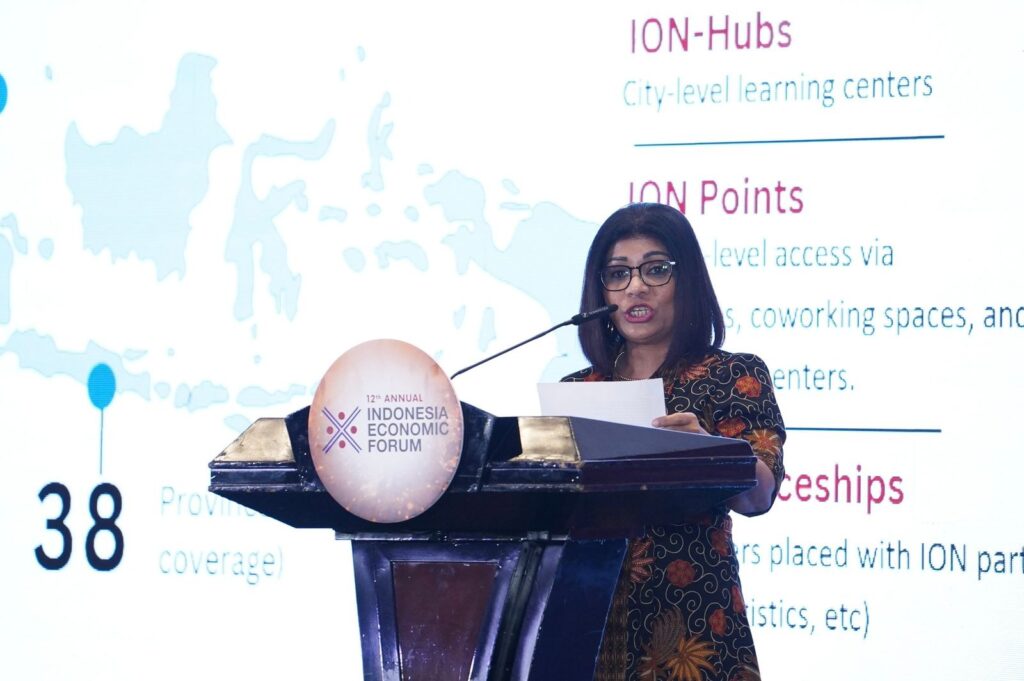
The second keynote was delivered by Dr. Rani Burchmore from ASEAN Youth for Digital Action. “Infrastructure is crucial, but people determine the success of digital transformation,” she stressed.
She elaborated on the role of the ION Academy. “We are not just training people; we are activating the economy through digital skills,” she said.
“Our goal is not merely certificates, but real jobs and increased productivity for MSMEs,” she added.
Open network challenges platform monopolies
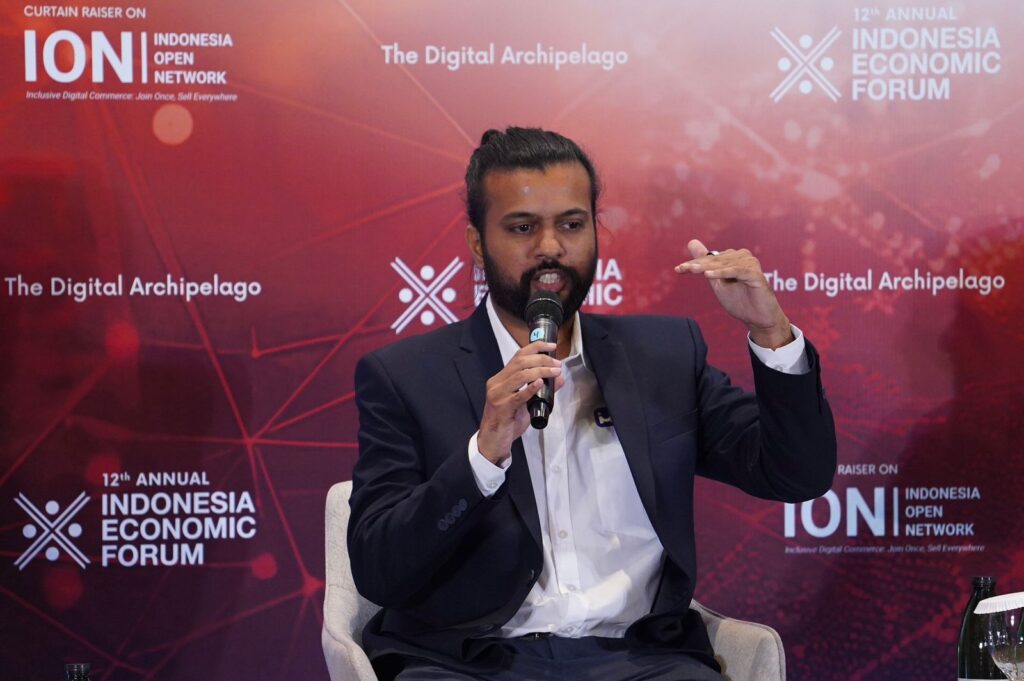
The panel was moderated by Nalin Singh of Orbit Future Academy, with panelists Balaje Rajaraman (NammaYatri), Sanjeev Gupta (Remiges), and Ravish Sahay (SequelString).
Balaje Rajaraman shared India’s experience. “Through the open network model, our drivers can earn higher incomes because they are not burdened by large commissions,” he said.
“This proves that technology can side with workers, not just platforms,” he added.
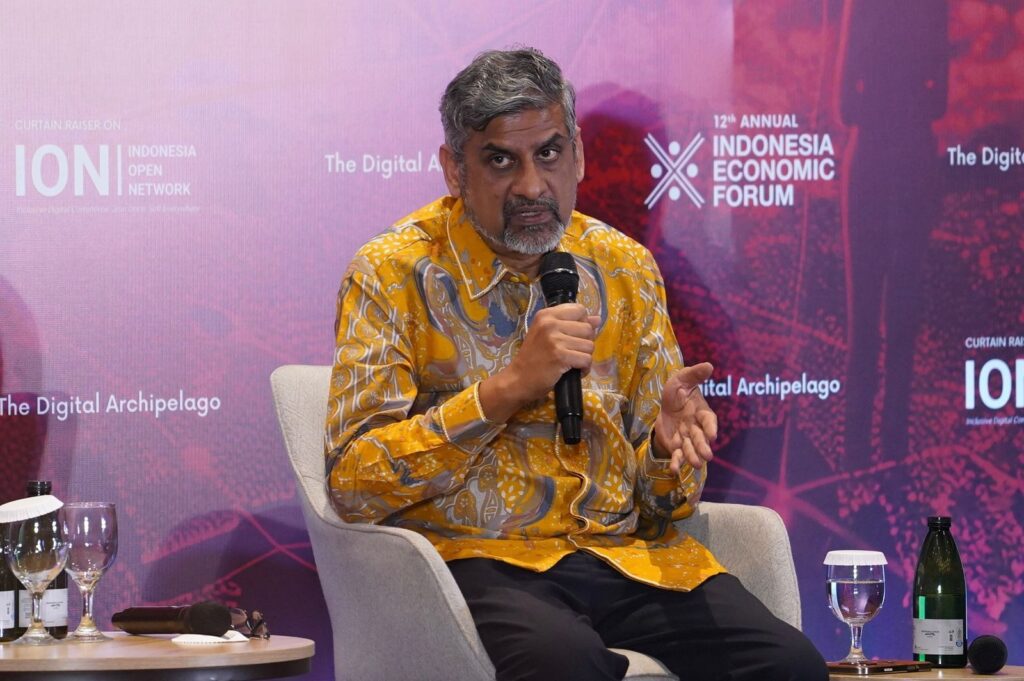
Sanjeev Gupta highlighted the technical aspects of ONDC. “The open network is designed to be invisible to end users but functions as the underlying digital infrastructure,” he explained.
“It is like a digital highway for commerce,” he said.
Ravish Sahay emphasized the scalability of open-network-based solutions. “We are building applications that can be used across cities and sectors, from transportation to payments,” he noted.
“This model provides unprecedented flexibility,” he added.
Panel conclusion
The discussion concluded that the success of ION will depend on continuous innovation, strong digital talent, and collaboration between the government and the private sector.