A five-part editorial series by Indonesia Economic Forum, on “Bali Tech Week 2026: Five Days to Shape Indonesia’s Digital Future.”
BALI TECH WEEK 2026 / DAY 3
From a new Indonesia–Singapore AI initiative to the emergence of homegrown gaming developers and renewed efforts to attract startup investment, Bali Tech Week’s third day highlighted the challenge of converting technological ambition into national economic value.
by Sachin V Gopalan, Founder & CEO, Indonesia Economic Forum
SANUR, BALI, October 21, 2026 — Indonesia has spent much of the past decade establishing itself as one of the world’s largest digital markets, with hundreds of millions of consumers connected to an expanding ecosystem of telecommunications networks, digital platforms and online services. But being a major consumer of technology is not the same as being a major creator of it. The more difficult challenge is developing the domestic capabilities, intellectual property, investment networks and international partnerships that will allow Indonesia to capture a greater share of the economic value generated by the digital revolution.
That challenge provided a compelling theme for the third day of Bali Tech Week 2026, where discussions moved beyond digital infrastructure and cybersecurity toward the development of national AI capabilities, the commercialization of technology and the emergence of new creative industries. The AI Impact Summit, the Indonesia Game Developer Exchange (IGDX) and discussions about startup investment collectively illustrated how Indonesia is attempting to translate its digital ambitions into more tangible economic opportunities.
Perhaps the day’s most significant development was the announcement of Project NUSA, a new AI collaboration between Indonesia and Singapore. Alongside it, Coordinating Minister for Economic Affairs Airlangga Hartarto emphasized AI’s potential contribution to economic growth, while Indonesia’s game development industry demonstrated its increasing maturity. These developments pointed toward a common objective: ensuring that Indonesia becomes not merely a destination for global technology companies, but an increasingly capable participant in creating and commercializing technology itself.
Project NUSA: A New Approach to AI Sovereignty
One of the principal announcements at the AI Impact Summit was the launch of Project NUSA — the Network for Unified, Secure AI — through a collaboration between Indonesia’s Artificial Intelligence Industry Research and Innovation Collaboration organization, KORIKA, and AI Singapore.
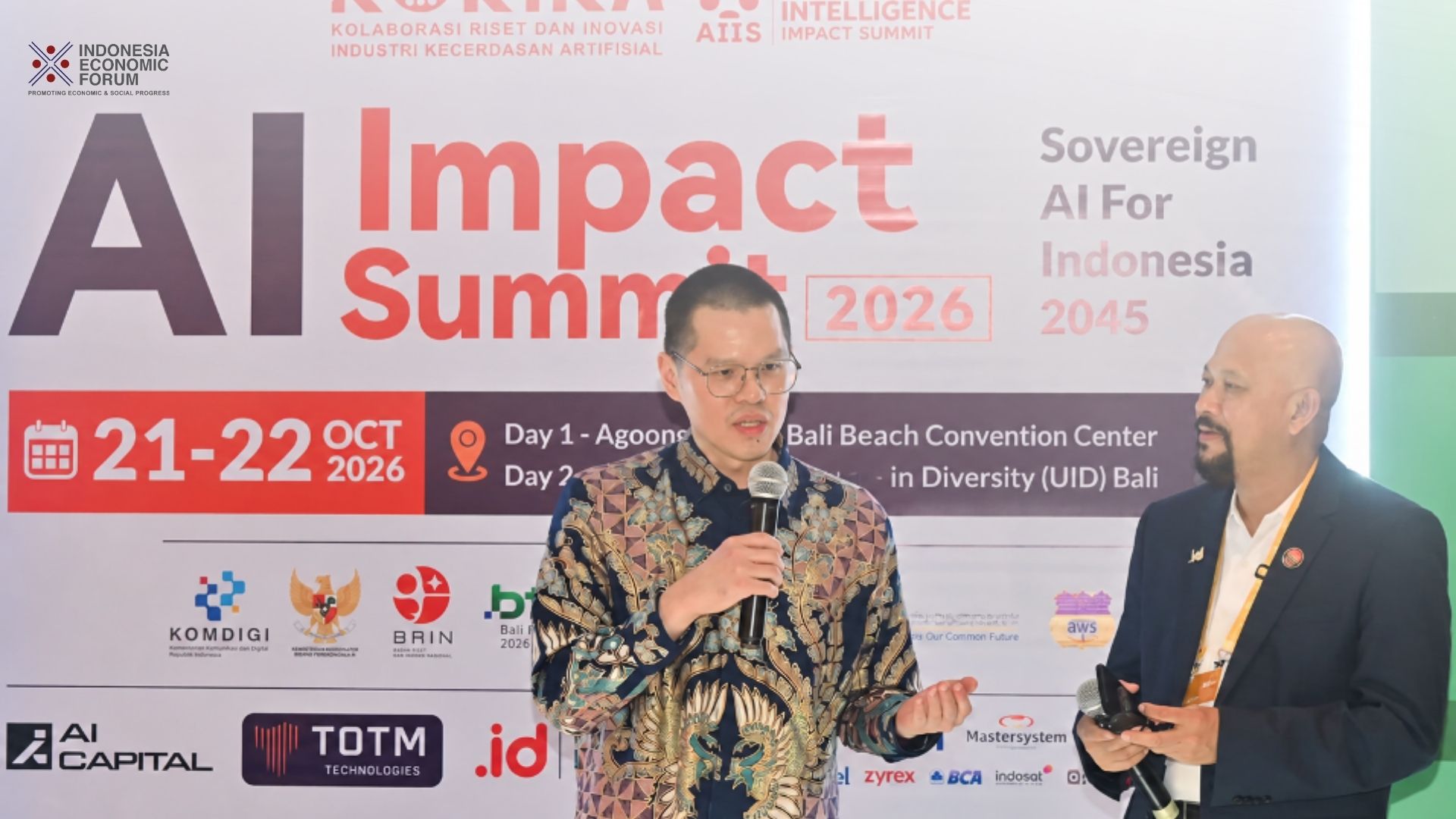
The initiative was presented by KORIKA Chairman Hammam Riza and AI Singapore representative William Tjhi, bringing together organizations from two countries with complementary strengths in technology development. Singapore has established a substantial research and innovation ecosystem, while Indonesia offers a large and diverse market, a growing technology workforce and opportunities to develop AI applications addressing complex social and economic challenges.
Project NUSA is significant because it offers a practical framework for thinking about AI sovereignty. The concept is frequently interpreted as requiring countries to develop every component of their technology infrastructure independently. In reality, few nations possess the resources to build competitive AI capabilities entirely in isolation, particularly given the enormous costs of advanced computing, specialist talent and foundational models.
A more practical approach involves developing national capabilities while participating in international networks that provide access to technology, expertise and collaborative research. For Indonesia, the strategic question is not simply where AI systems originate, but whether Indonesian institutions can understand, adapt, govern and deploy them according to national priorities.
The initiative’s longer-term importance will depend on how effectively it translates collaboration into working systems, local expertise and commercially useful applications. A cooperation announcement provides the starting point, but the real measure of progress will be the capabilities Indonesian researchers, companies and public institutions develop through participation.

KORIKA Chairman Hammam Riza shared his views during the AI Impact Summit (AIIS) 2026 at Bali Tech Week 2026
in Denpasar, Bali. (Photo: Komdigi)
AI as an Engine of Economic Growth
Coordinating Minister for Economic Affairs Airlangga Hartarto, addressing the AI Impact Summit virtually, placed the development of artificial intelligence within Indonesia’s broader economic ambitions. His remarks reinforced the government’s view that AI and digital technologies can become important drivers of productivity, investment and long-term growth.
The economic potential is substantial. AI applications can help manufacturers improve production efficiency, financial institutions strengthen risk assessment, logistics companies optimize distribution and public agencies deliver services more effectively. For a country with Indonesia’s geographic scale and industrial diversity, even relatively modest improvements in productivity across major sectors could produce significant economic benefits.
However, the opportunities will not materialize automatically. AI adoption requires reliable infrastructure, access to appropriate data, trained professionals and organizations capable of redesigning business processes around new technologies. Companies that merely purchase AI software without developing the necessary operational capabilities may discover that the expected productivity improvements are difficult to achieve.
Indonesia must also consider how the benefits of AI can extend beyond large corporations and established technology companies. Small and medium enterprises represent an enormous part of the national economy, yet many lack the financial resources and technical expertise needed to adopt sophisticated digital systems.
The challenge for government and industry is therefore to create an environment in which AI becomes accessible to a broader range of businesses. Affordable tools, practical training, industry-specific applications and interoperable digital infrastructure could help smaller enterprises participate in technological transformation rather than becoming increasingly disadvantaged by it.
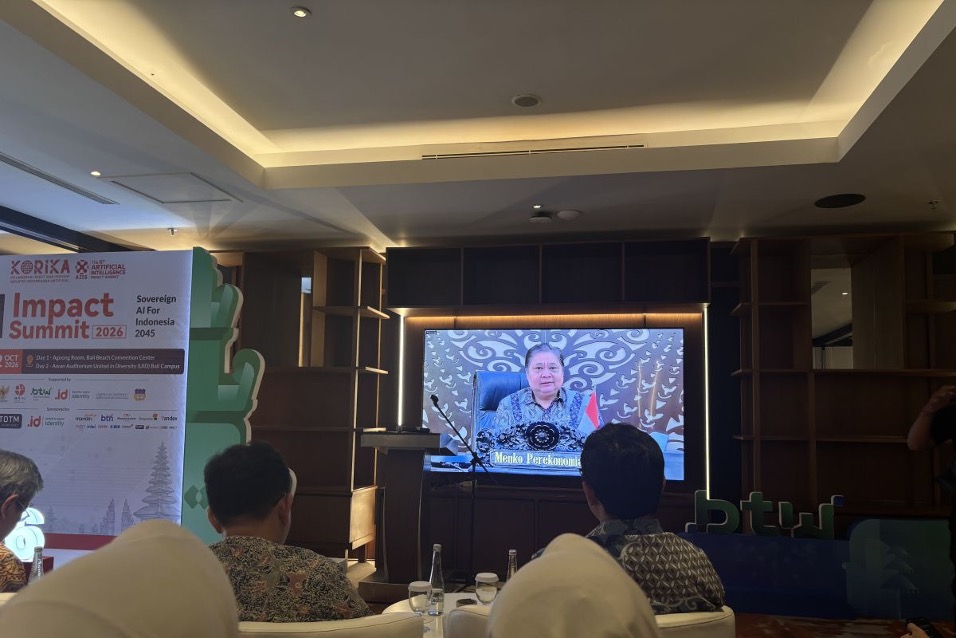
Coordinating Minister for Economic Affairs of Indonesia, Airlangga Hartanto shared his remarks virtually during Bali Tech Week 2026 in Denpasar, Bali. (Photo: Antara)
From AI Research to Indonesian Innovation
The AI Impact Summit also highlighted the expanding role of organizations such as KORIKA in connecting research, government priorities and industry requirements. This relationship is becoming increasingly important as countries compete not only to adopt AI but to develop the knowledge and intellectual property that underpin future applications.
Indonesia’s universities and research institutions possess valuable expertise, but translating academic research into commercially viable technology remains a challenge. Researchers often require access to computing infrastructure, high-quality datasets, funding and business partners capable of testing and distributing their innovations.
Industry, meanwhile, needs AI solutions that address practical Indonesian problems, including local languages, agricultural productivity, urban mobility, financial inclusion, manufacturing efficiency and public administration. Connecting these requirements with domestic research capabilities could create opportunities for Indonesian companies to develop specialized products rather than competing directly with the world’s largest technology providers.
Several additional AI initiatives were presented in the summit program, including proposals involving AI agents, national AI identity and venture-building mechanisms. Their broader significance lies in the attempt to develop an ecosystem that connects technological development with entrepreneurship and commercialization, although the outcomes of individual initiatives will require further assessment.
The larger opportunity is to encourage the emergence of Indonesian companies that own useful technology, develop proprietary capabilities and compete in regional markets. This would represent a more meaningful measure of national technological progress than simply counting the number of AI applications deployed.
Gaming: Indonesia’s Emerging Digital Export Industry
While artificial intelligence dominated much of the day’s strategic discussion, the opening of the Indonesia Game Developer Exchange 2026 offered another perspective on the country’s technological potential.
The three-day IGDX program brought together Indonesian game developers, publishers and international industry participants, highlighting an industry that combines software engineering, creative design, storytelling, animation and intellectual property development.
Shafiq Husein, Chairman of the Indonesian Game Association, reported that approximately 240 game developers were participating in the event. The figure reflects the growing scale of Indonesia’s domestic game development community and the increasing recognition of gaming as a legitimate professional and entrepreneurial sector.
Indonesia has long been an attractive market for international game publishers because of its large population of young, digitally connected consumers. Yet much of the commercial value generated by that demand has historically flowed to overseas developers and platform owners.
Developing a stronger domestic gaming industry offers an opportunity to change that relationship. Successful Indonesian studios can create original intellectual property, sell products internationally, generate export revenue and employ skilled professionals across programming, design, music, animation and digital marketing.
Unlike many traditional industries, game development does not necessarily require large physical factories or extensive transportation infrastructure. A relatively small team with strong technical and creative capabilities can potentially develop products for global distribution. Nevertheless, success requires access to financing, experienced publishers, marketing expertise and an understanding of international consumer preferences.
IGDX provides an important mechanism for connecting Indonesian developers with these resources. Its value lies not simply in showcasing games, but in helping domestic studios build relationships that could lead to publishing agreements, distribution partnerships and sustainable international businesses.
The broader lesson extends beyond gaming. Indonesia’s digital economy can generate greater national value when local entrepreneurs create products and intellectual property that can be sold repeatedly across markets, rather than relying exclusively on domestic consumer transactions.
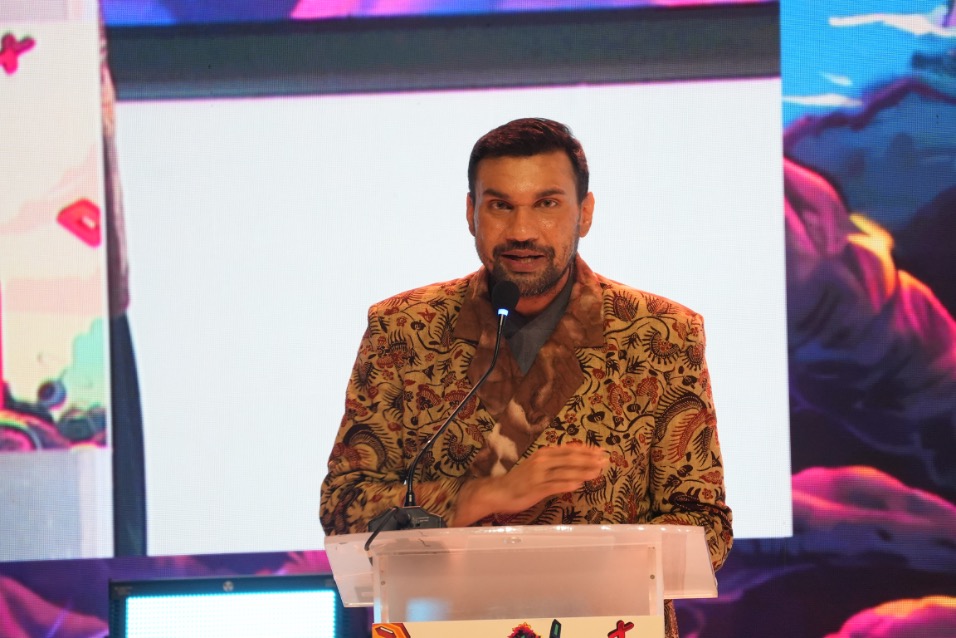
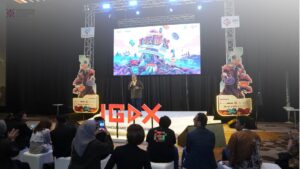
Chairman of the Indonesian Game Association, Shafiq Husein shared his views during the IGDX Program at Bali Tech Week 2026 in Denpasar, Bali. (Photo: Komdigi)
The Rp1 Trillion Startup Investment Ambition
Access to capital emerged as another important issue on Day 3. Edwin Hidayat Abdullah, Director General of Digital Ecosystem at the Ministry of Communication and Digital Affairs, outlined the government’s ambition to facilitate approximately Rp1 trillion in startup investment during 2026.
According to his remarks reported on October 21, approximately Rp400 billion had been achieved, with a further Rp600 billion being sought before the end of the year.
The figures provide a useful indication of both the government’s ambitions and the continuing challenges facing Indonesia’s startup ecosystem. After years of rapid expansion supported by venture capital investment, technology companies have faced a more demanding financing environment in which investors increasingly prioritize sustainable revenue, profitability and credible paths to commercial growth.
For Indonesian entrepreneurs, this shift has made access to capital more selective. Promising technologies and large addressable markets are no longer sufficient on their own; investors want evidence of customer demand, disciplined financial management and business models capable of generating returns.
Government-supported initiatives such as HUB.ID can help bridge this gap by introducing startups to venture capital firms, corporate customers and strategic partners. However, the distinction between investment targets, preliminary discussions, announced commitments and completed transactions remains important.
The Rp1 trillion objective should therefore be understood as a broader annual ambition rather than money already raised during Bali Tech Week. Its eventual achievement will depend on whether promising conversations develop into investments and commercial relationships.
For Indonesia, the priority should extend beyond attracting capital to ensuring that investment supports companies capable of building enduring technological and commercial value.
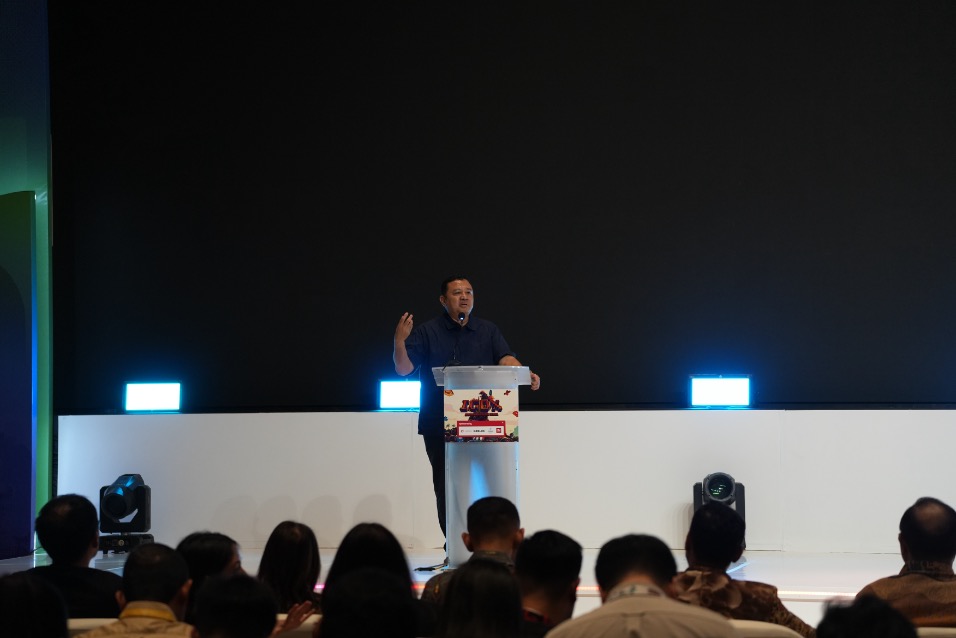
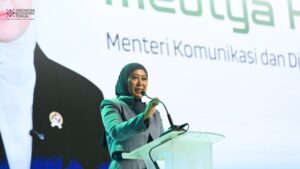
Director General of Digital Ecosystem at the Ministry of Communication and Digital Affairs, Edwin Hidayat Abdulllah shared his views during the IGDX Program at Bali Tech
Open Networks: Lessons from India’s ONDC for Indonesia’s Digital Economy
Another important discussion during Bali Tech Week concerned the development of open digital commerce networks, an approach that could fundamentally change how businesses participate in Indonesia’s platform economy. T. Koshy, founding Managing Director and CEO of India’s Open Network for Digital Commerce (ONDC), and Commissioner of Indonesia Open Network (ION), participated in a session on fair digital markets, moderated by Alvin Evander, sharing the experience of building interoperable digital commerce infrastructure in India.
Unlike conventional marketplaces, where buyers and sellers generally transact within a single company’s proprietary platform, ONDC enables independent applications, merchants and service providers to connect through common protocols. This allows businesses to participate in a wider commercial ecosystem without depending entirely on one dominant marketplace. The approach is particularly relevant to Indonesia, where millions of micro, small and medium enterprises face challenges involving market access, digital visibility, logistics and the cost of participating in online commerce.
Indonesia Open Network (ION), which draws on India’s ONDC architecture and the Beckn interoperability framework, is pursuing a similar approach adapted to Indonesia’s market conditions. By connecting existing buyer applications, seller platforms, logistics providers, payment services and other ecosystem participants, ION seeks to create shared digital commerce infrastructure rather than another competing marketplace. Its potential significance lies in allowing Indonesian enterprises to reach customers across participating platforms while encouraging innovation and competition among service providers.
The broader lesson from India’s experience is that digital economic growth need not depend exclusively on building larger proprietary platforms. Open networks can provide a common foundation on which numerous independent businesses develop services, compete and collaborate. For Indonesia, this represents another pathway toward creating domestic economic value: enabling millions of businesses to participate more effectively in digital commerce while developing local technological capabilities and reducing dependence on isolated platform ecosystems.
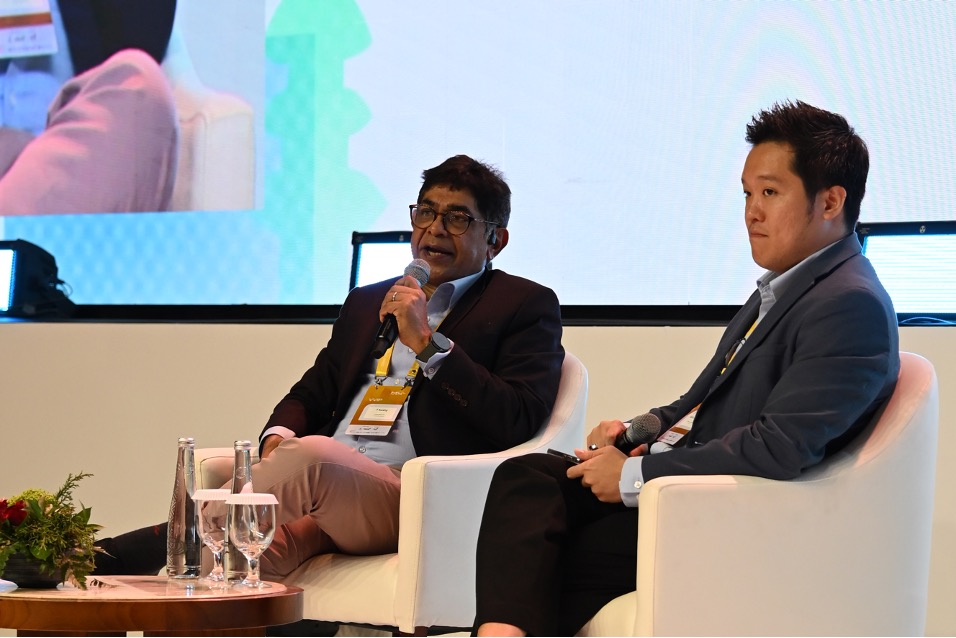
T. Koshy shared his views during Bali Tech Week 2026 in Denpasar, Bali. (Photo: Komdigi)
International Partnerships and National Economic Value
The developments on Day 3 also highlighted an important evolution in Indonesia’s relationship with international technology ecosystems. Project NUSA connects Indonesian AI development with Singaporean expertise, while IGDX provides opportunities for local developers to engage with global gaming publishers and investors.
These partnerships are essential in industries where knowledge, capital and markets cross national borders. But international collaboration produces the greatest national benefit when it strengthens domestic capabilities rather than creating permanent dependence on external suppliers.
For AI, that means developing Indonesian expertise, useful datasets, local applications and the capacity to govern technology responsibly. For gaming, it means helping Indonesian studios retain valuable intellectual property and establish direct relationships with international customers. For startups, it means attracting investors who can provide not only financing but also market access, commercial experience and opportunities for expansion.
Indonesia’s scale gives it an advantage, but market size alone does not guarantee technological leadership. Countries that capture lasting economic value are generally those that combine strong domestic capabilities with access to international knowledge and markets.
The challenge is to make international partnerships a mechanism for building Indonesian competitiveness, rather than simply expanding the domestic market for foreign technology.
From Digital Consumption to Digital Creation
The third day of Bali Tech Week revealed a consistent direction across several seemingly different industries. AI researchers are seeking international cooperation to develop national capabilities. Government policymakers are connecting technological adoption with economic productivity. Game developers are building products and intellectual property for global markets. Startup founders are searching for the investment and commercial partnerships necessary to scale.
Together, these developments point toward the next stage of Indonesia’s digital transformation: moving from a primarily consumption-driven digital economy toward one that creates more of its own technology, products and economic value.
The transition will require sustained investment in talent, research, commercialization and institutional coordination. Announcements and conferences can create momentum, but their impact must ultimately be measured through functioning technologies, successful companies, skilled employment and internationally competitive products.
Day 3 of Bali Tech Week demonstrated that Indonesia’s digital future will depend not only on how extensively technology is adopted, but on how much of that technology the country can develop, own and successfully commercialize.
END
About Bali Tech Week 2026
Bali Tech Week 2026 (BTW 2026) is an initiative of the Ministry of Communication and Digital Affairs of the Republic of Indonesia (Komdigi), jointly managed with DS Group as an umbrella platform for technology events that connects government, industry, founders, investors, and Indonesian and international technology communities to build collaboration and unlock business and partnership opportunities.
The inaugural edition of BTW 2026 will take place on 19–23 October 2026 at the Bali Beach Convention Center, Sanur, Bali, under the theme “Archipelago Ascending — Advance Together, Innovate Further.” Bringing together 13 anchor events in one week under a shared agenda, BTW 2026 spans startups, gaming, artificial intelligence (AI), cybersecurity, digital assets, infrastructure, policy, and investment. BTW 2026 2026 aims to welcome more than 4,000 participants, including 1,000 international delegates, with representation from more than 30 countries.
IEF served as Community Partnership for Bali Tech Week 2026 (https://balitechweek.id/)
please contact:
Indonesia Economic Forum
PT. Chairos International Ventures
Polikarpus Ivan,
Program Manager
polikarpus@indonesiaeconomicforum.com
+62 878 5329 8306