
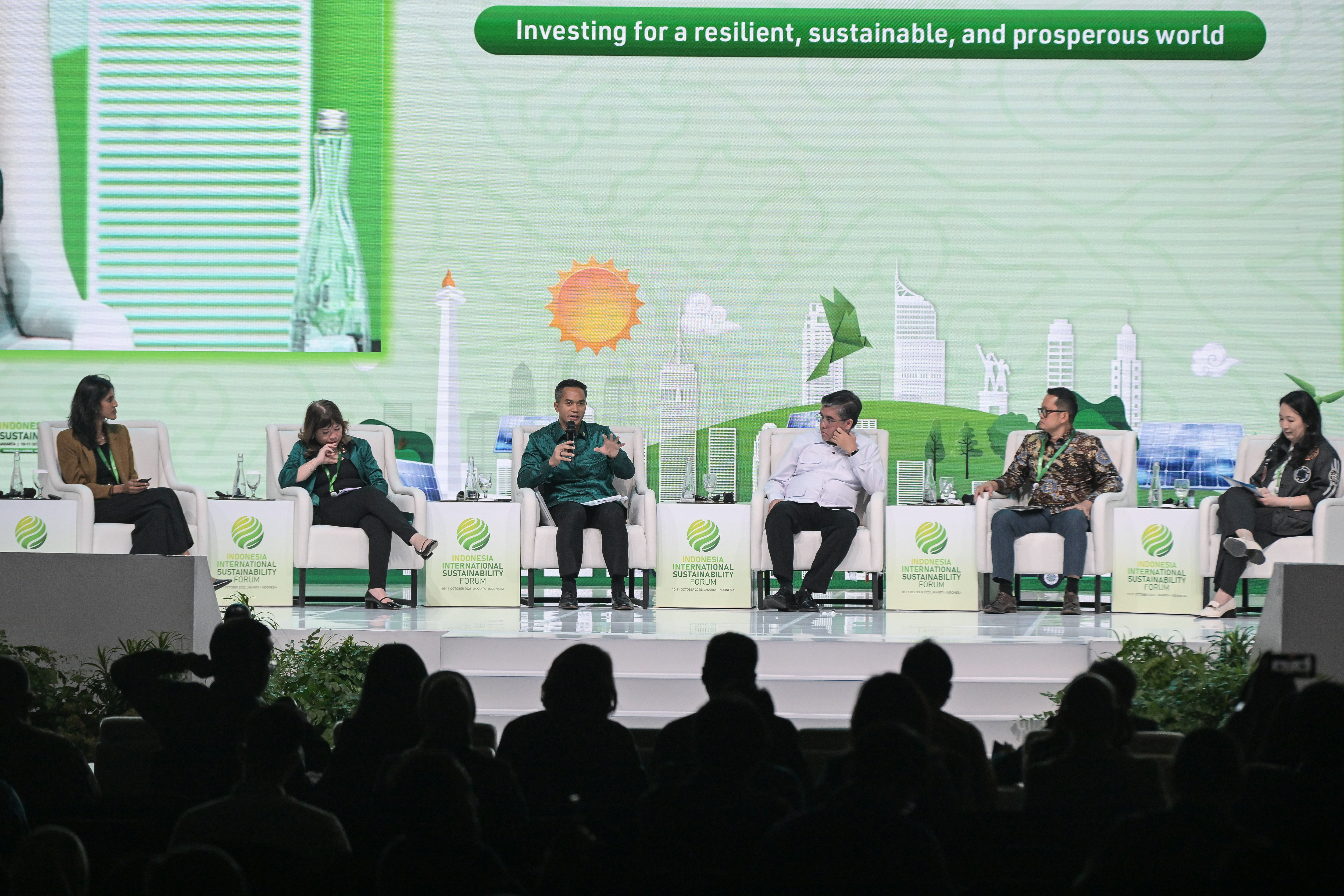

Jakarta, 11 October, 2025 — The closing fireside chat of the Indonesia International Sustainability Forum (ISF) 2025 explored how Indonesia’s green transition can create opportunities for both people and the economy. The session was moderated by Phillia Wibowo, Partner and Leader of the Southeast Asia People and Organizational Performance Practice at McKinsey & Company, and brought together key figures driving Indonesia’s workforce transformation agenda: Yassierli, Minister of Manpower; Shinta Kamdani, Chairman of APINDO; Anindya Bakrie, President Director of Bakrie Group and Chairman of KADIN; Maliki, Deputy for Community Empowerment, Population, and Manpower at Bappenas; and Tarini Fernando from the World Economic Forum (WEF).
Preparing Indonesia’s Workforce for the Green Transition
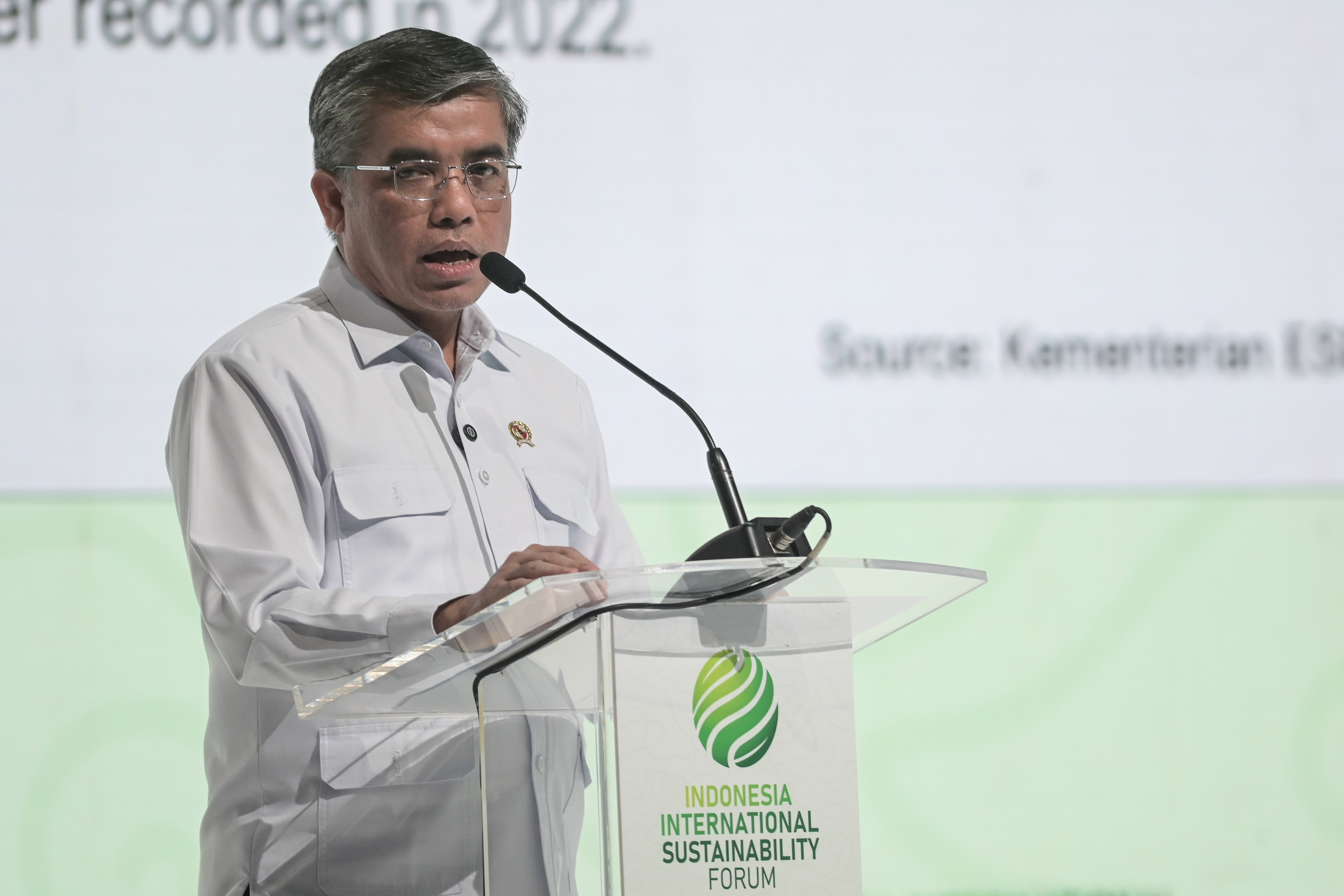
In his keynote address, Minister Yassierli emphasized that Indonesia’s green transition must begin with its people. He outlined the Ministry of Manpower’s plan to upskill and reskill at least one million workers annually until 2029 to ensure readiness for emerging green sectors.
He identified four main challenges in building green jobs and skills: aligning vocational curricula with industry needs, addressing regional disparities in training access, upgrading facilities and instructors, and linking productivity initiatives to green job creation.
“Green transition is not just an environmental agenda, it is an opportunity to build stronger communities and a more inclusive future,” Yassierli said. He added that Indonesia’s vocational training centers are being transformed to prepare workers for solar, wind, and battery industries while reskilling those from fossil-based sectors.
Collaborative Efforts to Build a Green Talent Pipeline
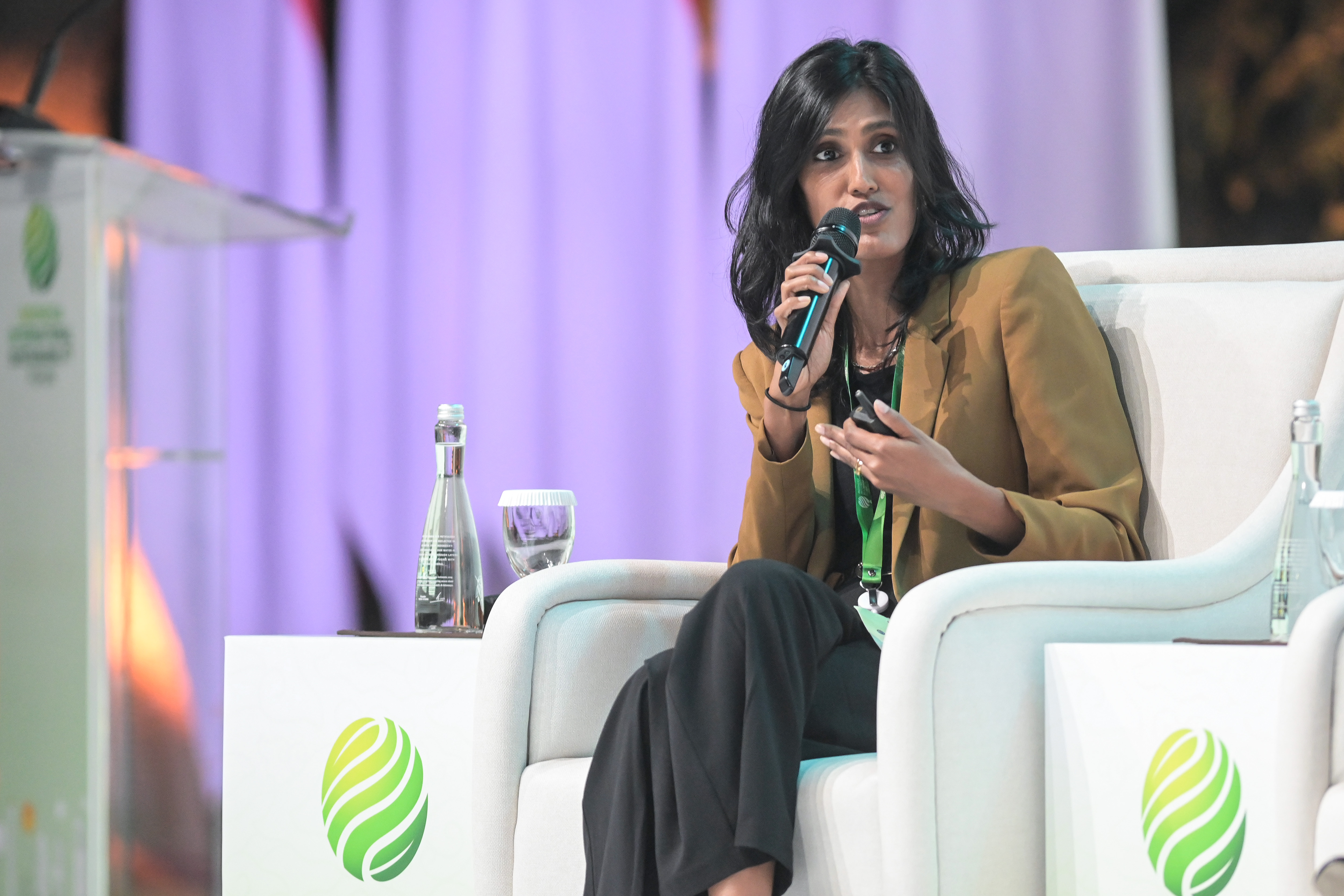
Representing the World Economic Forum, Tarini Fernando introduced the Indonesia Jobs and Skills Accelerator, a collaboration between WEF and Bappenas. The initiative aims to strengthen the green talent pipeline, promote inclusion, and mitigate social risks associated with the transition.
“Indonesia is among the first countries to focus its accelerator on an equitable transition,” Fernando said, emphasizing that the program ensures women, informal workers, and people with disabilities can access green job opportunities.
Business Leadership for Inclusive Growth

From the private sector, Shinta Kamdani highlighted the importance of aligning industrial needs and SME development with the green transition. “We need to map out the sectors that require green skills and incentivize companies to accelerate the transition,” she said. She added that SMEs must be integrated into broader decarbonization efforts as part of supply chains adopting sustainable practices.
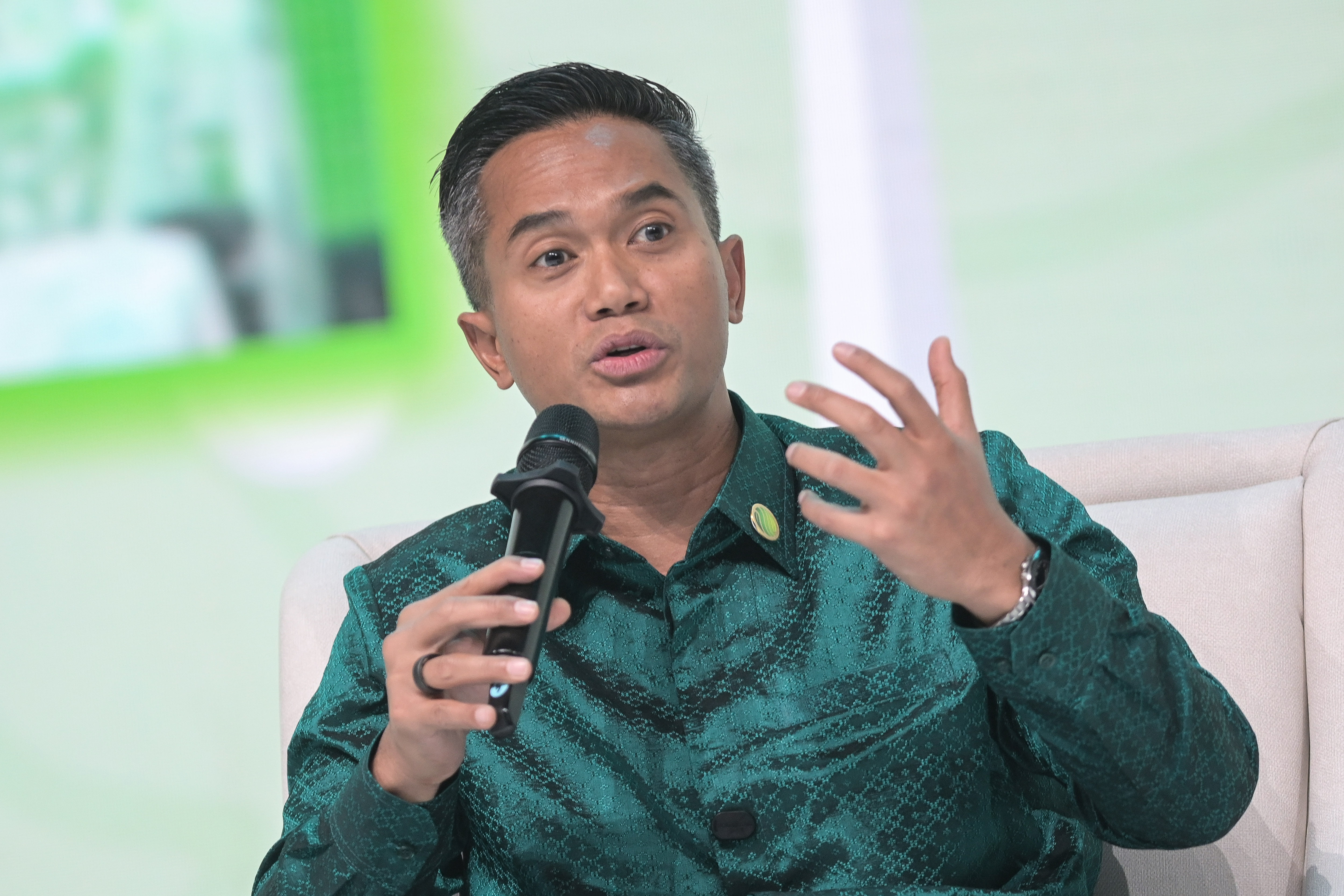
Anindya Bakrie echoed this message, noting that KADIN serves as a bridge between government and business to promote inclusive and sustainable growth. “We can turn Indonesia Inc. into Green Indonesia Inc.,” he said. He cited examples such as sustainable housing and school meal programs that could embed green principles from the start, providing millions of jobs while advancing decarbonization.
Turning Roadmaps into Action

Representing the policy front, Maliki explained that Bappenas, as the secretariat of the accelerator, is focused on translating Indonesia’s Green Jobs Roadmap into coordinated and concrete action. “We aim to improve competitiveness by building green talent, expanding job opportunities for vulnerable groups, and creating tools to match skills with industry demand,” he said.
A Shared Commitment to a Just Transition
Moderator Phillia Wibowo closed the discussion by underlining that the green transition must be collaborative and inclusive. “A just and people-centered transition requires public and private commitment, philanthropy, and focus so that pilot programs do not just stay pilots, but scale into real impact,” she said.