
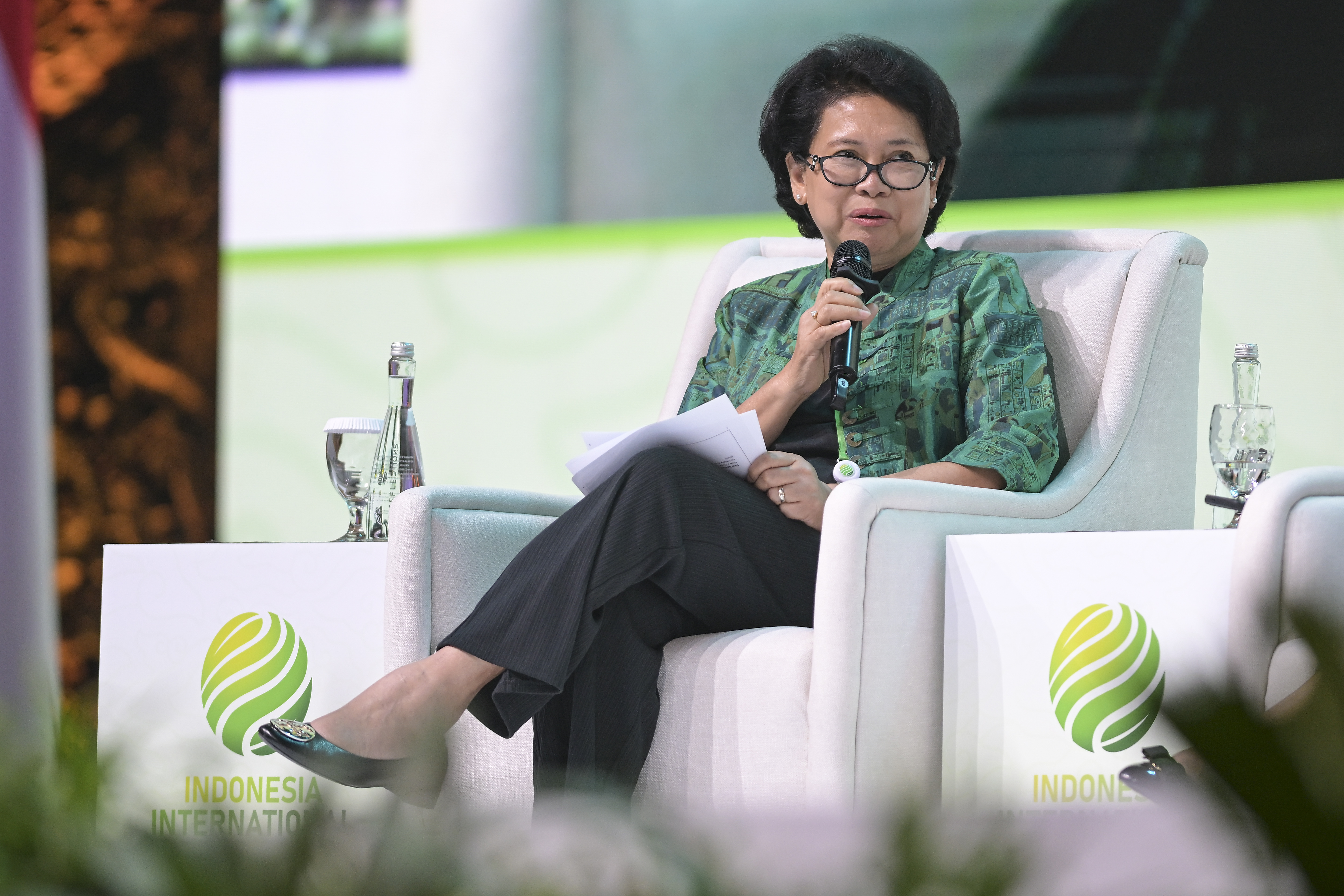

Jakarta, October 11, 2025 — The Indonesia International Sustainability Forum (ISF) 2025 featured a thought-provoking panel discussion titled “Building Human Capital for a Sustainable Future: Creating Green Jobs in the Age of AI” discussing how to prepare the workforce for a sustainable and technologically advanced future. Moderated by Dino Patti Djalal, Founder and Chairman of the Foreign Policy Community of Indonesia (FPCI), the session explored how green skills and digital capabilities can shape the next generation of jobs.
Panelists included Indri Koesindrijastoeti Hidayat, Director of Corporate Affairs for PT DCI Indonesia; Sondang Saktion, HR Director of Schneider Electric Indonesia and Timor Leste; Maki Katsuno-Hayashikawa, Director of UNESCO Regional Office Jakarta; Ng Boon Heong, CEO of Temasek Foundation; Spencer Low, Head of Regional Sustainability for Google APAC; and Abetnego Tarigan, Country Director of the Tony Blair Institute (TBI) Indonesia.
Investing in People for a Sustainable Future
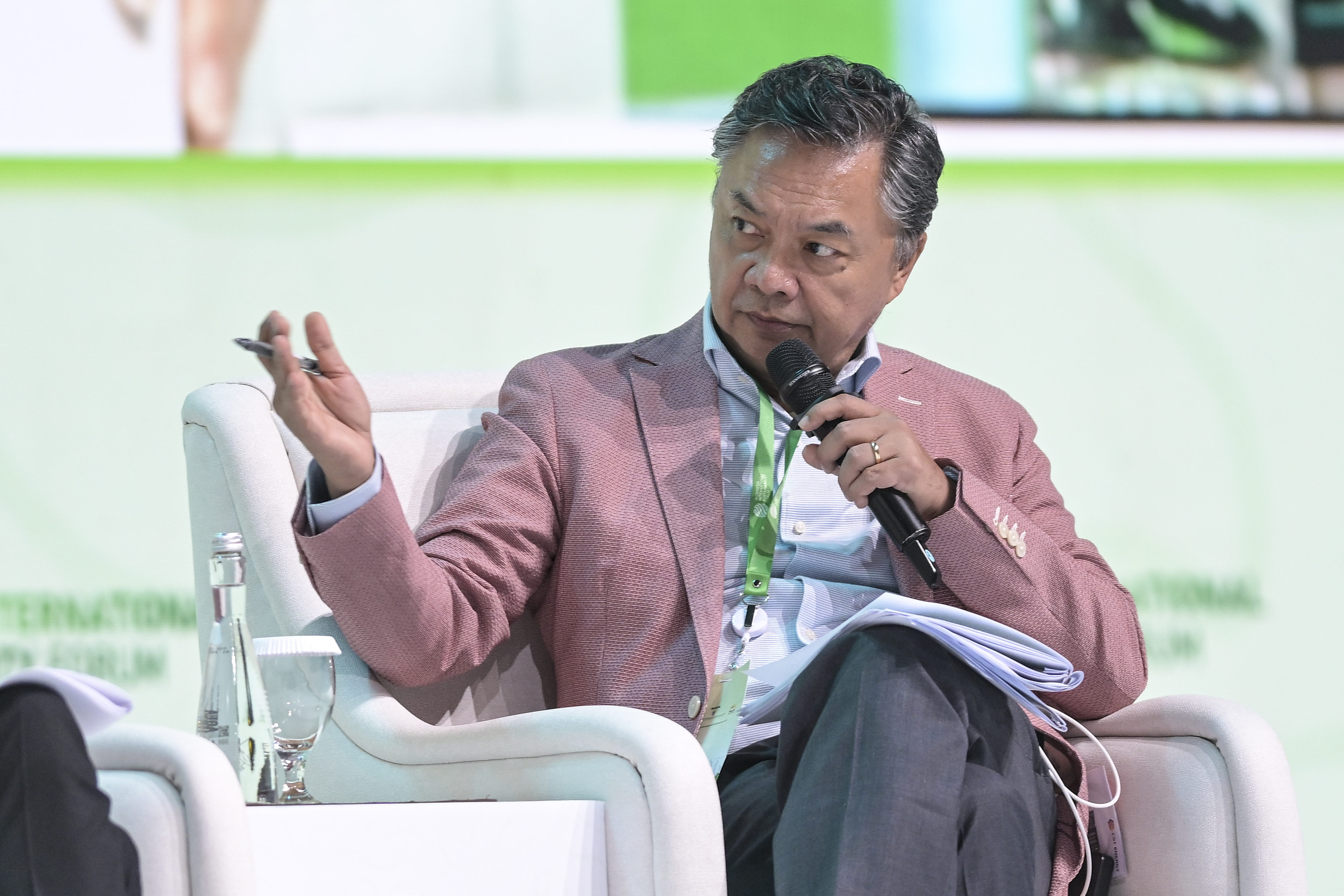
Dino Patti Djalal opened the discussion by emphasizing that the defining competition of this century is about human capability. He noted that nations which invest in preparing their people with future-ready skills, values, and adaptability will be the ones that thrive amid the twin forces of digitalization and green transformation.
Temasek Foundation CEO Ng Boon Heong underlined the importance of linking innovation with inclusivity. He shared examples from Temasek’s initiatives in Indonesia, including technology and nature-based projects that combine philanthropic and risk capital to drive sustainable agriculture and decarbonization. He emphasized that prosperity and sustainability must progress together, citing programs that use AI and blended finance to empower smallholder farmers.
From the education perspective, Maki Katsuno-Hayashikawa of UNESCO stressed that building human capabilities requires a balance between technical knowledge and ethical, empathetic values. She called for urgent education reforms that integrate science, sustainability, and digital literacy at all levels, especially in primary and vocational education. Equitable access to green skills, she added, depends on both curriculum reform and the creative use of digital platforms to reach remote areas.
Building Skills through Collaboration and Innovation
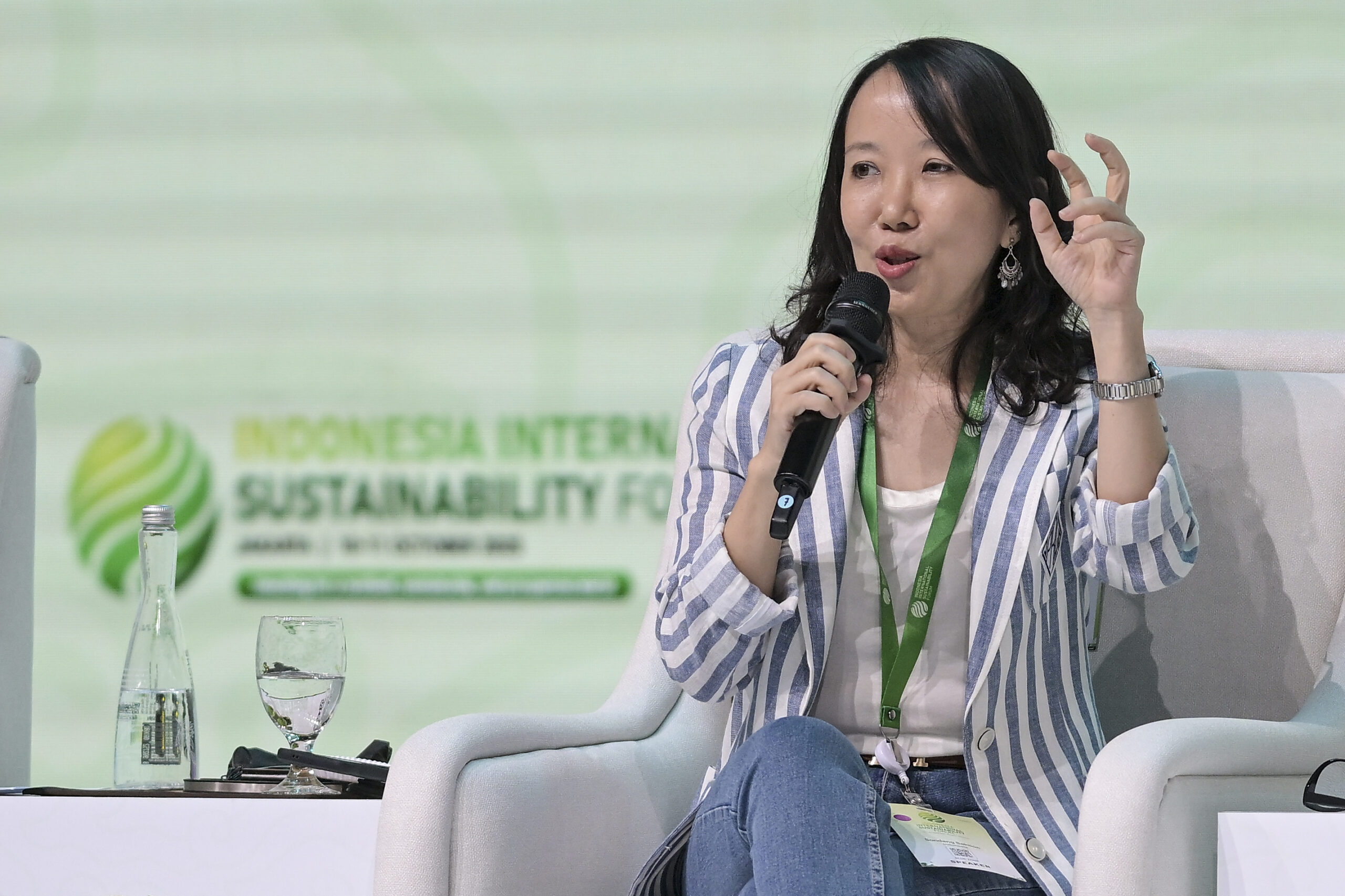
The panel discussed building human capital for a sustainable future and green jobs in the AI era.
ANTARA PHOTO/Hafidz Mubarak A/sgd
Spencer Low of Google APAC highlighted the need for scalable, accessible training models. He pointed to Google’s Career Certificates and Indonesia’s Bangkit Academy as examples of how multi-stakeholder partnerships between academia, government, and industry can develop job-ready skills in sustainability and technology. He also stressed that corporate culture plays a key role, sharing how Google embeds circular economy principles into its operations and product design.
Sondang Saktion of Schneider Electric shared the company’s experience in cultivating digital and green talent through global capability assessments and youth hackathons with vocational schools. She emphasized the importance of hiring individuals with curiosity and a growth mindset to build a resilient workforce that can adapt to technological change.
Abetnego Tarigan of TBI Indonesia underscored the role of government–industry collaboration in strengthening digital talent ecosystems. Drawing on experiences in Africa and Indonesia, he described how AI-driven tools are enabling policymakers to make evidence-based decisions and extend services to remote areas.
Empowering the Next Generation of Green Talent
Indri Koesindrijastoeti Hidayat of DCI Indonesia shared how purpose-driven leadership helps attract and retain digital and sustainability talent. She explained that younger professionals are motivated by impact, growth, and empowerment. DCI integrates sustainability into its operations by using AI-driven predictive maintenance to cut energy waste and emissions, while also upskilling engineers through data-based decision-making.
The discussion also addressed concerns about AI displacing human labor. The panelists agreed that while automation will transform certain jobs, it will also generate new opportunities for workers equipped with the right skills. They noted that AI can enhance learning, accelerate curriculum updates, and support more efficient green innovation.
As the session concluded, Dino Patti Djalal reminded the audience that the transition to a sustainable, AI-powered economy depends not only on technology but on people’s ability to adapt, learn, and lead. He emphasized that global progress toward net zero will require imagination, courage, and investment in human capital.