

The circular economy has become a vital pillar in realizing green industry transformation. Many industrial companies in Indonesia are already practicing it, such as processing plastic waste into new packaging, remelting scrap metal into high-quality steel, and utilizing biomass waste as an alternative energy source.
“With the circular economy, we not only reduce emissions and minimize waste, but also create economic value, reduce import dependence, and open up green jobs,” said Minister of Industry Agus Gumiwang Kartasasmita at The 2nd Annual Indonesia Green Industry Summit (AIGIS) 2025 in Jakarta, Wednesday (20/8).
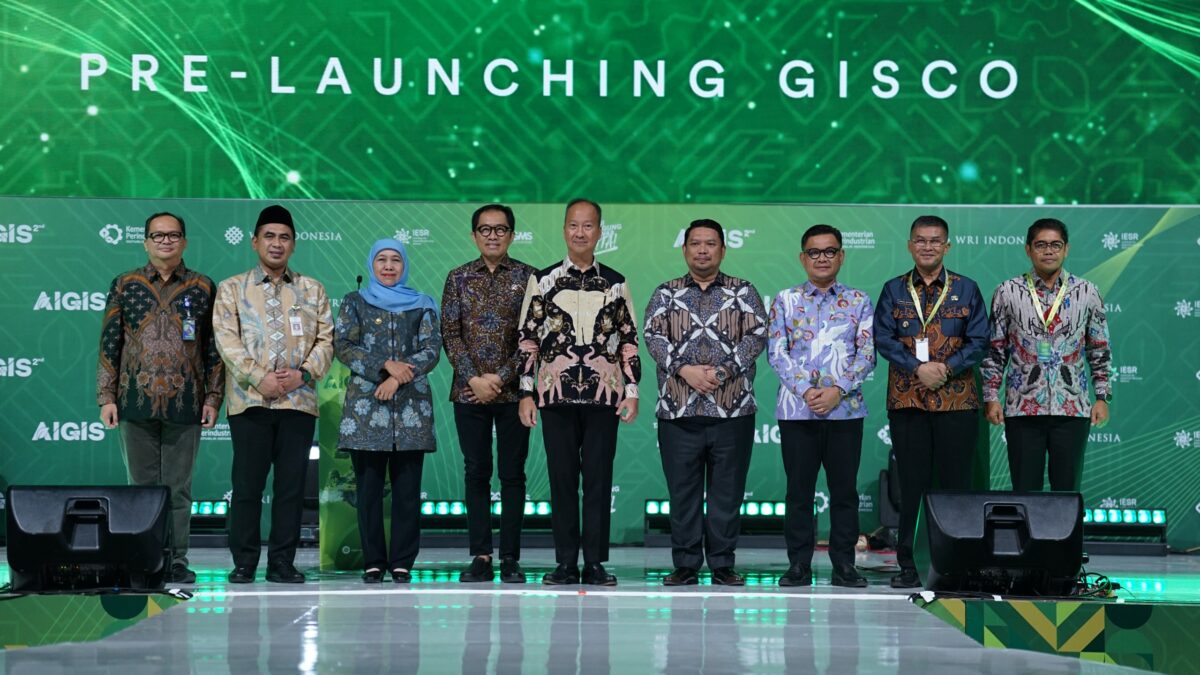
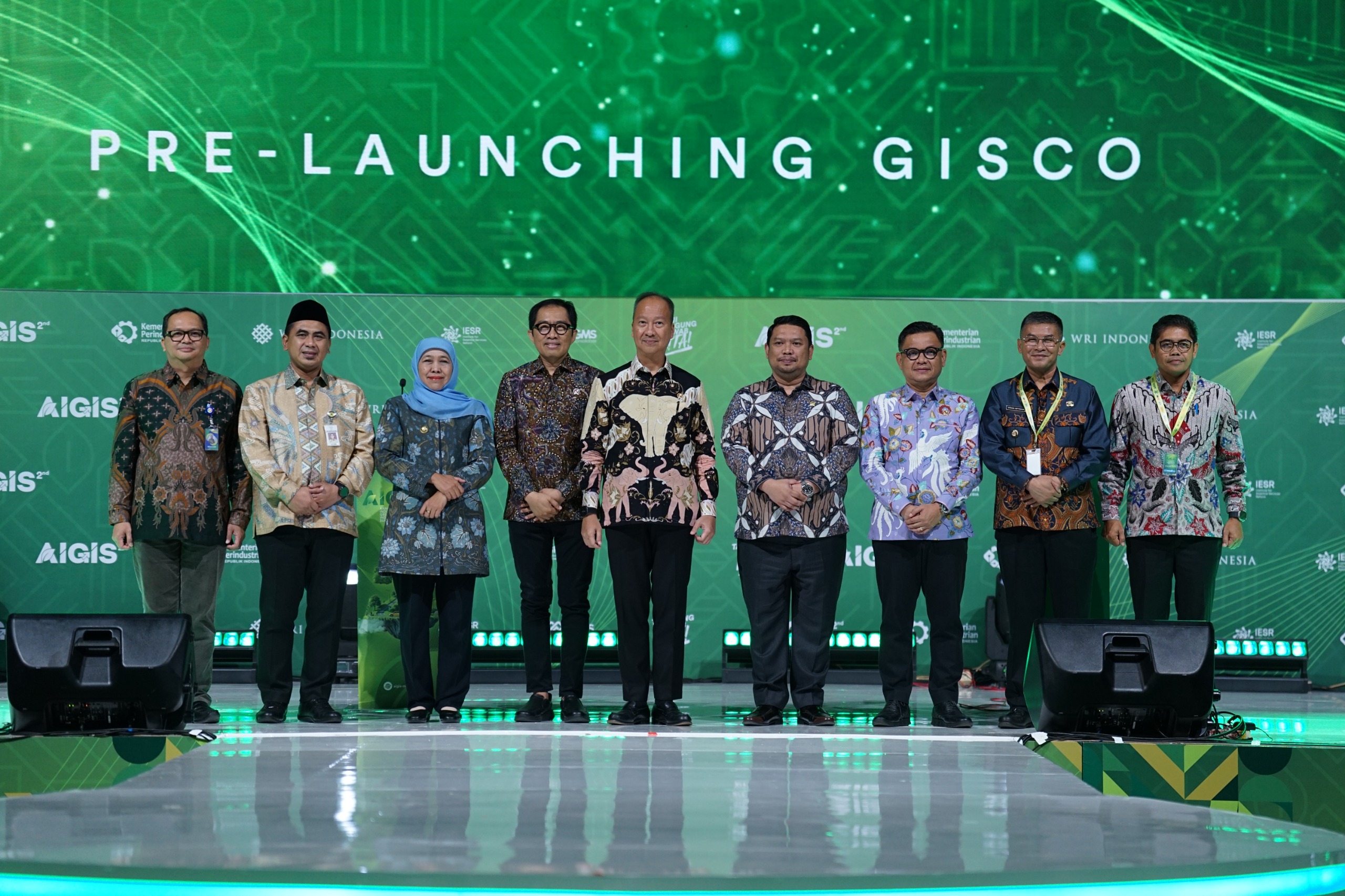
To accelerate the adoption of these green industry practices, the Ministry of Industry has introduced the Green Industry Service Company (GISCO). This platform functions as an integrated service providing technical assistance, resource efficiency assessments, carbon footprint calculations, green transition planning, and facilitation of green financing.
“GISCO will become a bridge for collaboration between industry, green technology providers, financial institutions, and the carbon market. Thus, GISCO is not only a service center, but also a driving force of the national green industry ecosystem that is connected to international standards,” emphasized the Minister.
Meanwhile, Andi Rizaldi, Head of the Agency for Standardization and Industrial Services Policy (BSKJI), stated that AIGIS 2025 carries the theme “Driving Industrial Decarbonization through Green Industry Ecosystem”. Through this theme, AIGIS is expected to serve as a platform that encourages the active role of all stakeholders in accelerating industrial carbon emission reduction through cross-sector collaboration.
The industrial sector must adopt approaches such as integrating clean technology, energy efficiency, water efficiency, renewable energy, and circular economy practices into a mutually supportive green industry ecosystem. “By building this ecosystem, the transformation toward a low-carbon industry will not only strengthen global competitiveness but also open up investment opportunities and sustainable innovation for the national economy,” explained Andi.
He further conveyed that the Ministry of Industry reaffirms its commitment to strengthening the foundation of green industry policies to ensure a measurable transition toward a low-carbon industry. Several policies are being prepared, including the Strengthening of Green Industry Standards (SIH) for priority sectors, with sharper indicators on energy efficiency, utilization of recycled raw materials, and greenhouse gas emission intensity limits per unit of product.
“Then, the integration of a Digital MRV (Monitoring, Reporting, Verification) system and the development of an Industrial Emission Trading System (ETS), so that industry players can monetize the surplus emission reductions they have achieved,” he said.
Another policy is the development of GISCO as a center for green financing solutions to help companies access financing schemes both domestically and internationally. “Furthermore, enhancing industrial human resource capacity through green competency certification and reskilling programs to support the adoption of low-carbon technologies,” added Andi.
The Head of BSKJI expressed optimism that all these policies are designed not only to meet the Net Zero Emission target for the industrial sector by 2050, but also to establish green industry as Indonesia’s new competitive advantage in the global market.
This press release is issued for dissemination.
Jakarta, August 20, 2025
PUBLIC RELATIONS BUREAU
No: 308/RILIS/IND/8/2025
Website: www.kemenperin.go.id
Email: humaskemenperin@gmail.com
Twitter: @Kemenperin_RI
Facebook: Kementerian Perindustrian RI
Instagram: @kemenperin_ri