
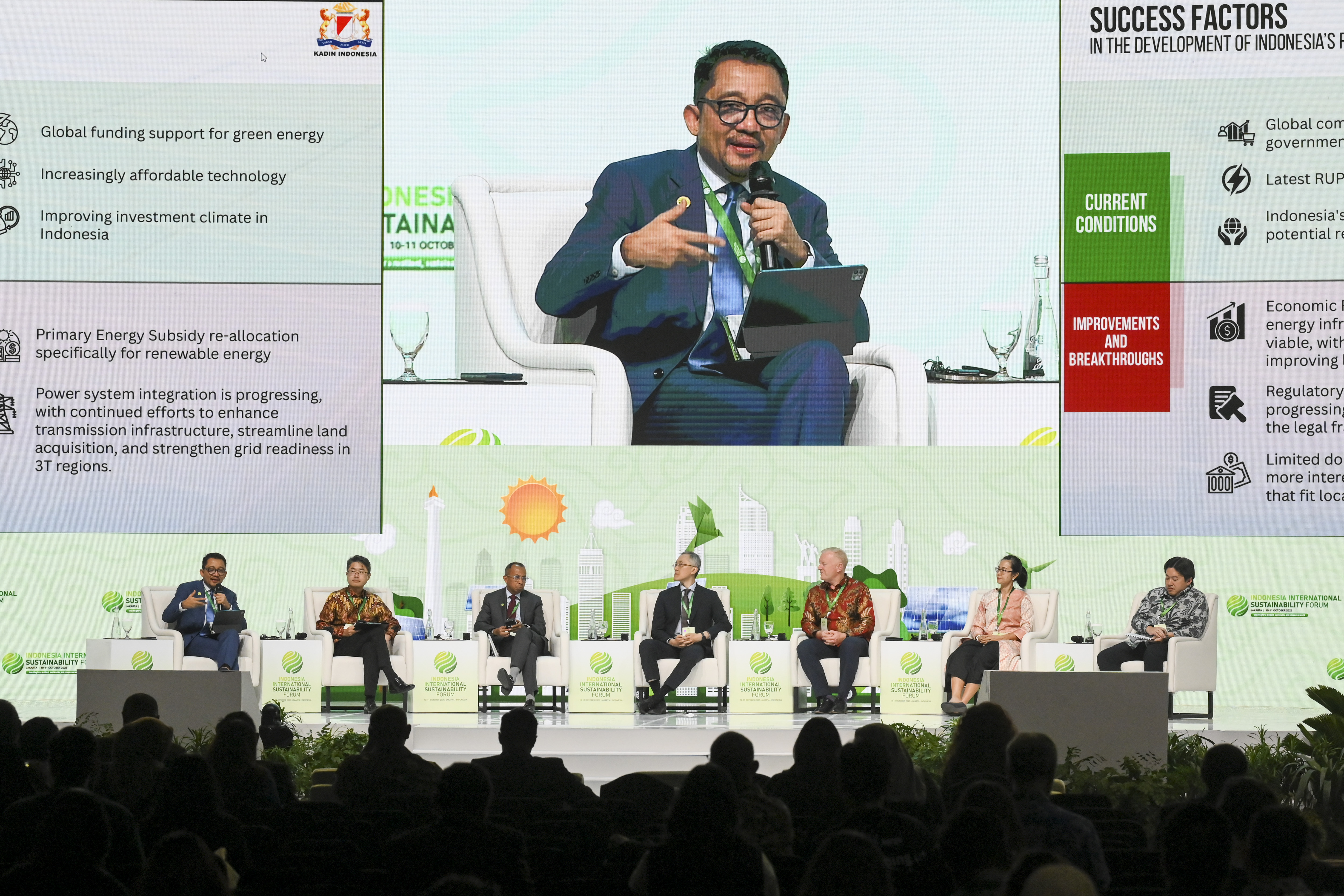

Jakarta, October 10, 2025 — At the Indonesia International Sustainability Forum (ISF) 2025, a high‑level panel on “Unleashing Green Electricity” laid out what it will take to turn abundant resources into bankable megawatts. Moderated by Martin Santoso (McKinsey and Company), with distinguished speakers including Bobby Gafur Umar (KADIN), Toru Yoshioka (Mitsubishi Heavy Industries Indonesia), Eka Satria (Medco Energi), Haimeng Zhang (LONGi Group), Tim Anderson (ACWA Power Company), and Sue-Ern Tan (International Energy Agency). Their consensus: Indonesia must pair policy clarity, projects at scale, and grid readiness to unlock private capital and accelerate the energy transition.
Indonesia’s renewable potential totals about 3,687 GW—with roughly 3,294 GW solar and the rest from wind, hydro, bioenergy, geothermal, and tidal—yet actual deployment remains <1%. The new RUPTL signals a shift, allocating around 69.5 GW to renewables and targeting both generation and energy storage. Investment opportunities could reach Rp 2,133 trillion, with an estimated 73% open to the private sector and a fresh push for waste‑to‑energy in 33 cities with the total investment of US$6.3 billion.

Utility‑scale projects drive down tariffs and compete with coal, said Tim of ACWA Power, who welcomed streamlining of permitting and predictable rules. Sue-Ern Tan (IEA) noted Southeast Asia’s solar‑wind technical potential of about 20 TW—roughly 55× current regional capacity—but warned that the cost of capital is often 2× higher than in advanced economies, reflecting perceived and real risks. Clear, stable frameworks are essential to make projects bankable.
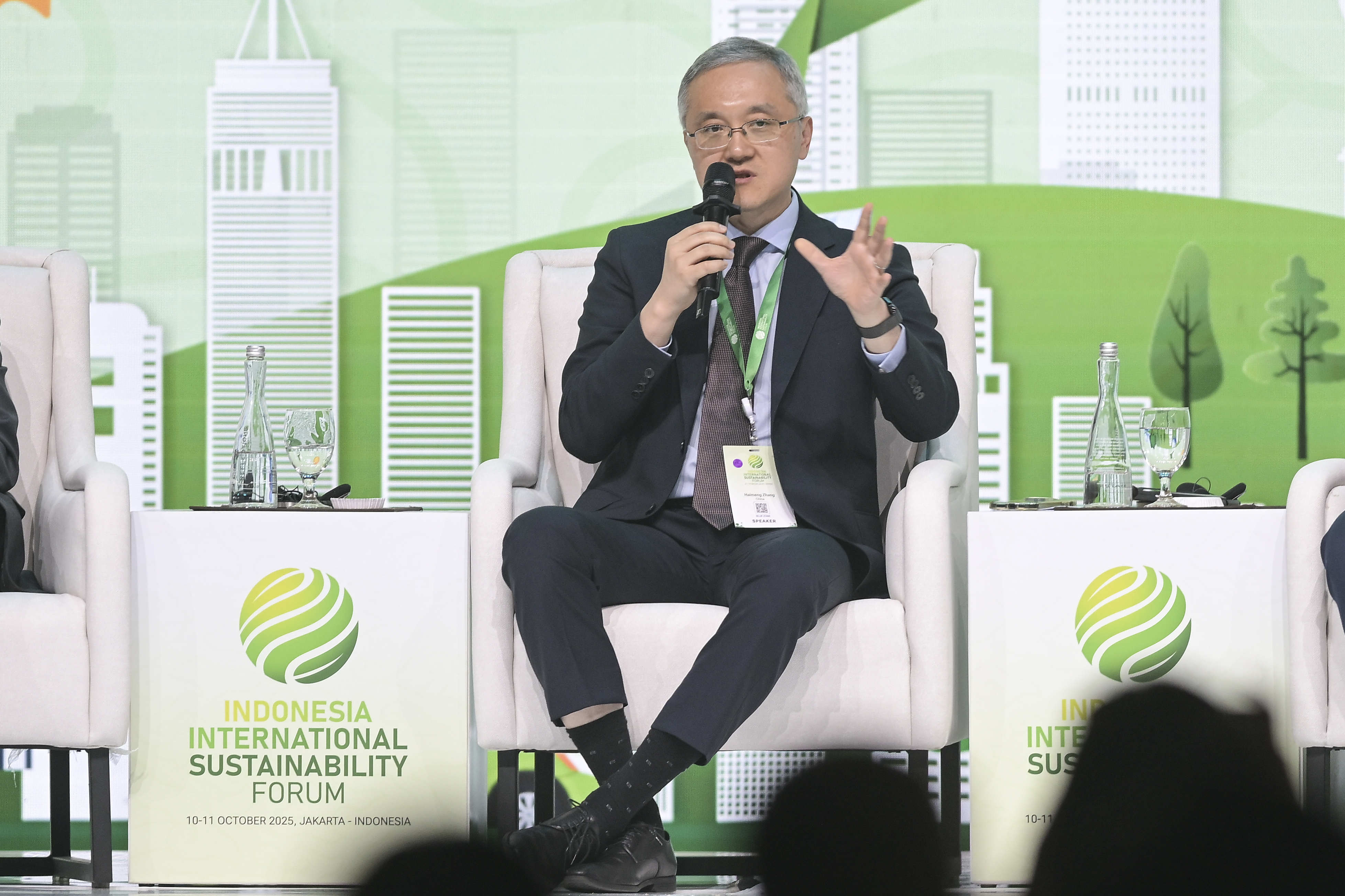
Haimeng Zhang highlighted the Top Runner program in Datong, which combined long‑term feed‑in tariff certainty, fast land and permits, and technology‑efficiency incentives to add more than 50 GW of solar—revitalizing a post‑coal economy. From India, Sue pointed an auctions scheme of 25‑years contract with government guarantees, renewable purchase obligations, and dedicated green‑energy corridors for transmission—practical steps Indonesia can adapt.
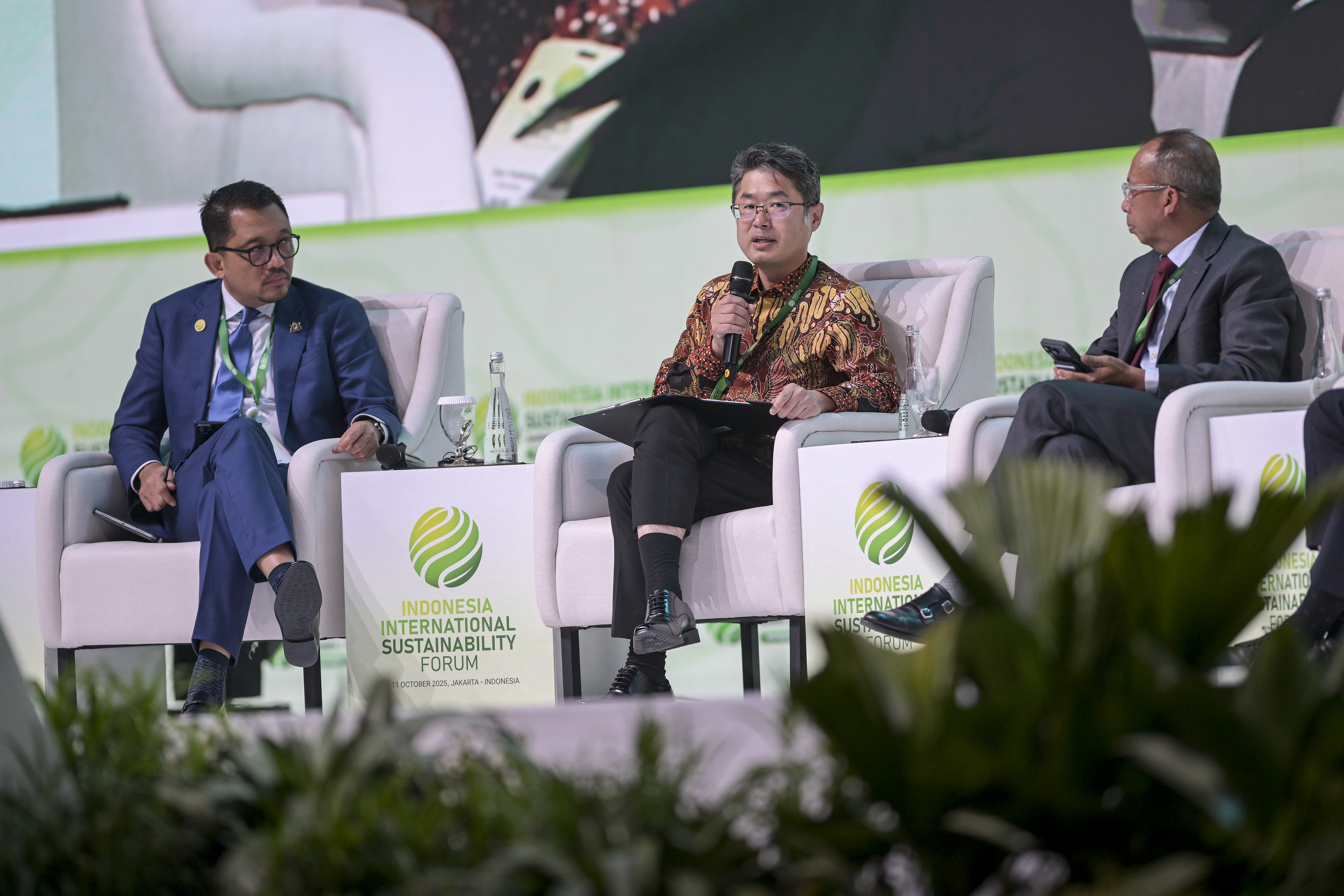
Toru Yoshioka underlined the role of geothermal: Indonesia holds about 24 GW potential and has installed 2.7 GW. Retrofitting at plants like Darajat has lifted output, while adding ORC systems can harvest brine heat without new drilling, reducing risk and time. To balance intermittency from solar and wind, Mitsubishi Heavy Industries is exploring hydrogen‑ready turbines and ammonia or biomass co‑firing with local partners.

Bobby Gafur Umar called for an “umbrella” renewable‑energy law, stronger domestic financing, reallocation of subsidies to clean power, and faster grid integration. Eka Satria urged market reform and competitive auctions, open‑access grids, and pragmatic technology transfer. The moderator closed on three enablers: policy/regulatory clarity, bankable scale, and a collaborative ecosystem linking government, business, and technology players.