
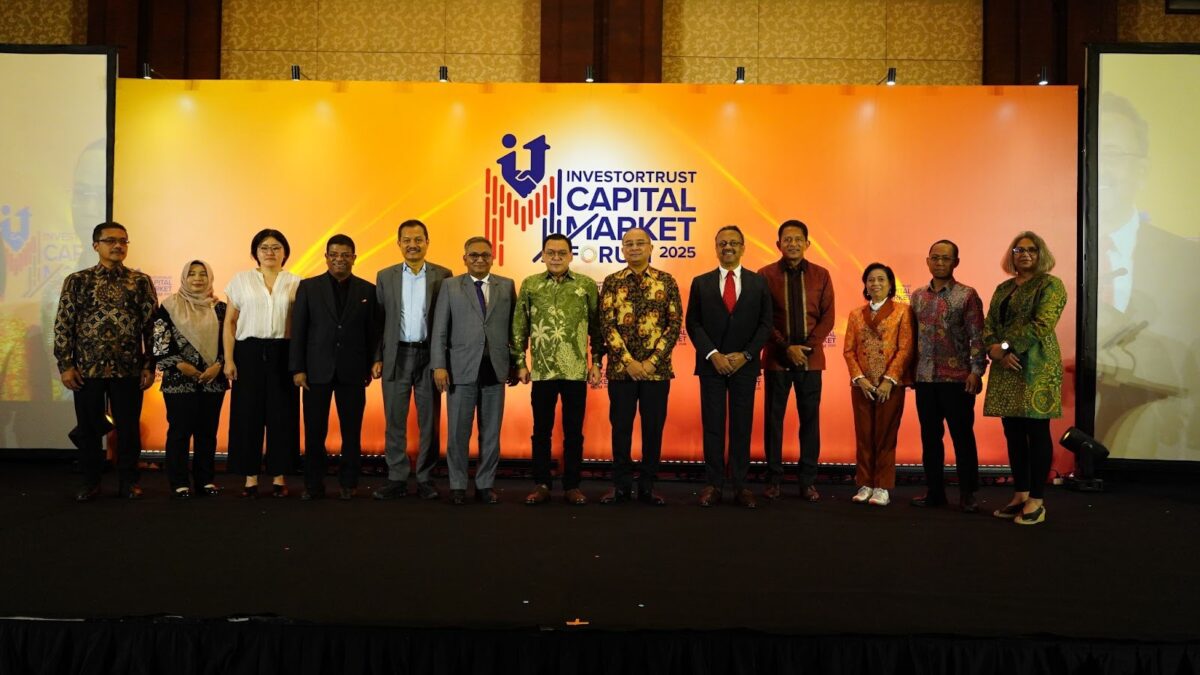


JAKARTA — The InvestorTrust Capital Market Forum 2025 made one message clear. The future of Indonesia’s capital market will be shaped by three forces: technology, regional integration, and broader investor participation. The forum brought together Indonesian government officials, regulators, stock exchange leaders, Indian technology experts, and global financial institutions. Every speaker emphasized that Indonesia is standing at a rare moment of opportunity, with the potential to accelerate progress if it moves quickly and in coordination.
India Pushes for Integration and Offers a Digital Playbook
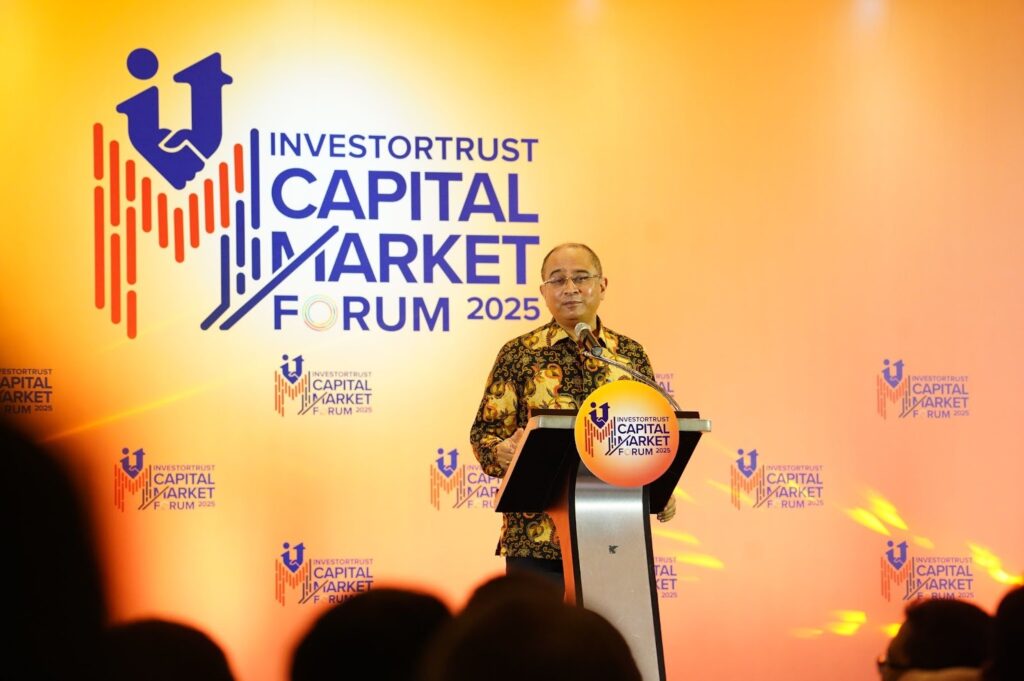
The forum opened with the Ambassador of India to Indonesia, Sandeep Chakravorty, who noted that despite strong economic ties, the capital markets of the two countries still operate on separate tracks. He identified an “air gap” that can be closed through payment system integration, cross border settlement, and technology collaboration. India today is one of the world’s largest capital markets with more than US$5 trillion in market capitalization and a rapidly growing retail investor base that has reached 225 million people.
Chakravorty highlighted that technical steps such as Local Currency Settlement between BI and RBI and payment system integration between UPI and QRIS are already in advanced stages. Once these infrastructures are connected, many of the cross border frictions related to cost and time will disappear. He emphasized that India’s experience is far more relevant for Indonesia compared to Western examples. With similar demographics and growth dynamics, both countries can progress together and accelerate transformation.
Arief Wibisono Highlights the Need for a More Modern and Inclusive Financial Infrastructure
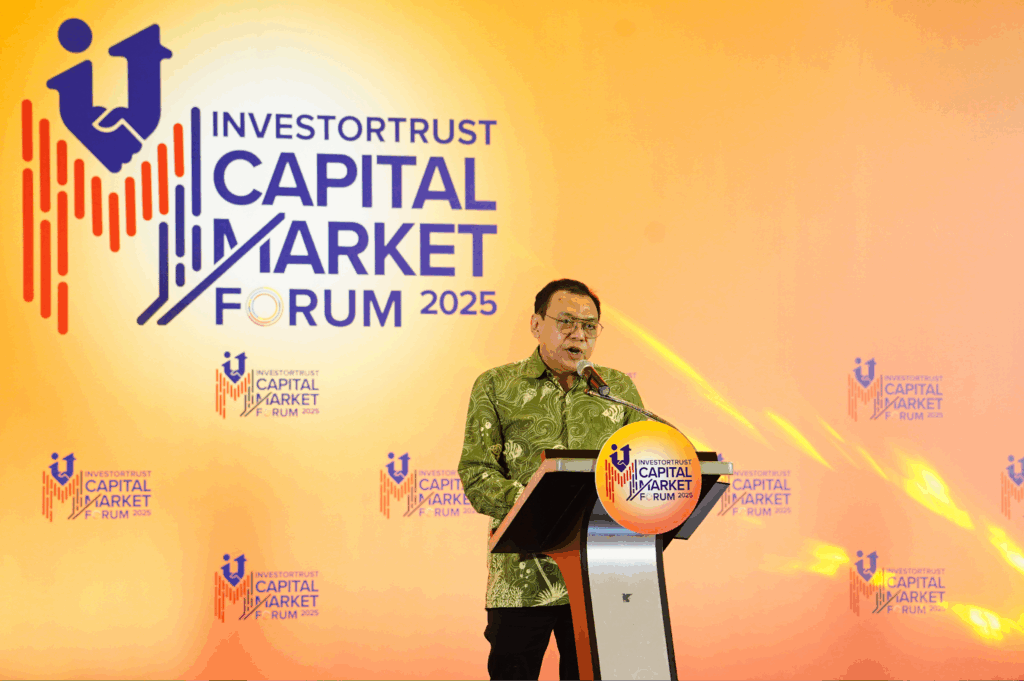
Dr. Arief Wibisono, Special Advisor to the Minister of Finance on Financial Services and Capital Markets, framed the discussions within the broader context of Indonesia’s economic landscape, which is facing global pressure and rapid technological shifts. He stated that Indonesia needs not only a bigger capital market, but a deeper, more inclusive, and more efficient one. The target of market capitalization reaching 120 percent of GDP by 2045 forms part of the Indonesia Emas 2045 vision.
Arief underlined that digitalization and automation will change how society produces, trades, and consumes. If managed well, this transformation can enhance productivity and innovation, especially for MSMEs that form the backbone of Indonesia’s domestic economy. However, he emphasized that the government cannot work alone. Strong collaboration between regulators, industry players, academics, and investors is essential to build a modern and resilient capital market ecosystem.
CEO of Bombay Stock Exchange Calls the Capital Market a Public Good
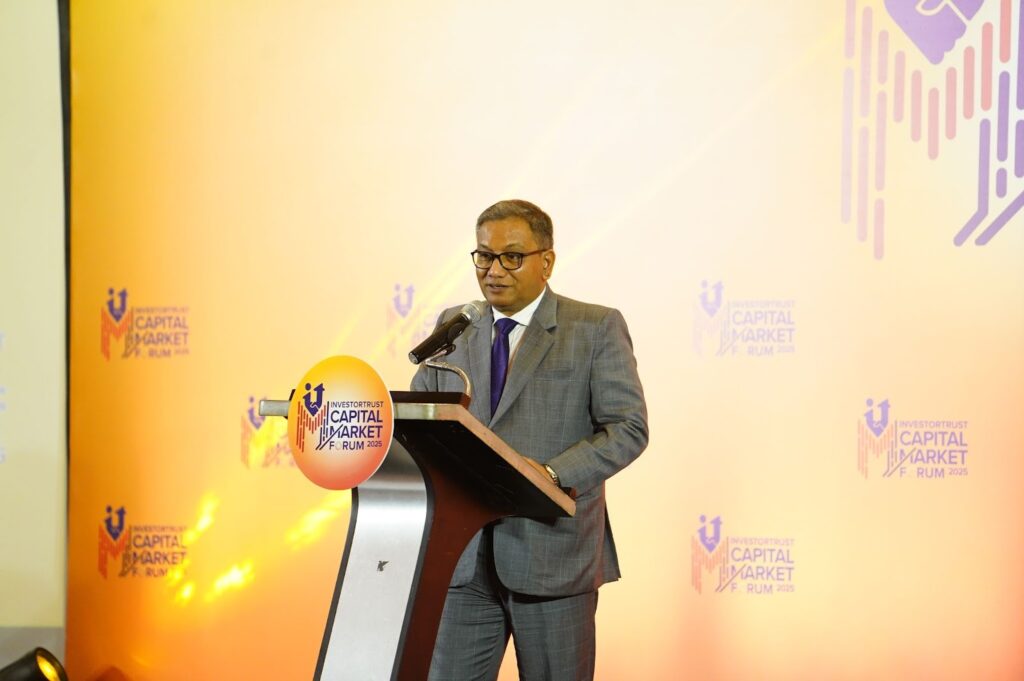
Sundararaman Ramamurthy, CEO of the Bombay Stock Exchange, delivered the keynote that reshaped how participants viewed the role of a stock exchange. For him, a modern exchange is not simply a trading venue. It is a public institution that drives the formation of the national capital. He cited India’s success in turning US$800 million raised by 671 MSMEs into US$15 billion in market value. This, he said, proves that capital markets can become a bridge for small business growth.
Ramamurthy shared India’s digital journey, describing how the exchange moved from manual processes to a fully digital ecosystem that now handles more than one billion derivatives orders per day. Its systems can process up to two million orders per second during peak hours. Retail participation in India has grown by 400 percent over the last five years, driven by ease of access, security, and transparency enabled by technology. He concluded by offering full cooperation to Indonesia, noting that the structural similarities between the two economies make India’s experience highly relevant.
Finding the Right Rhythm for Systemwide Transformation
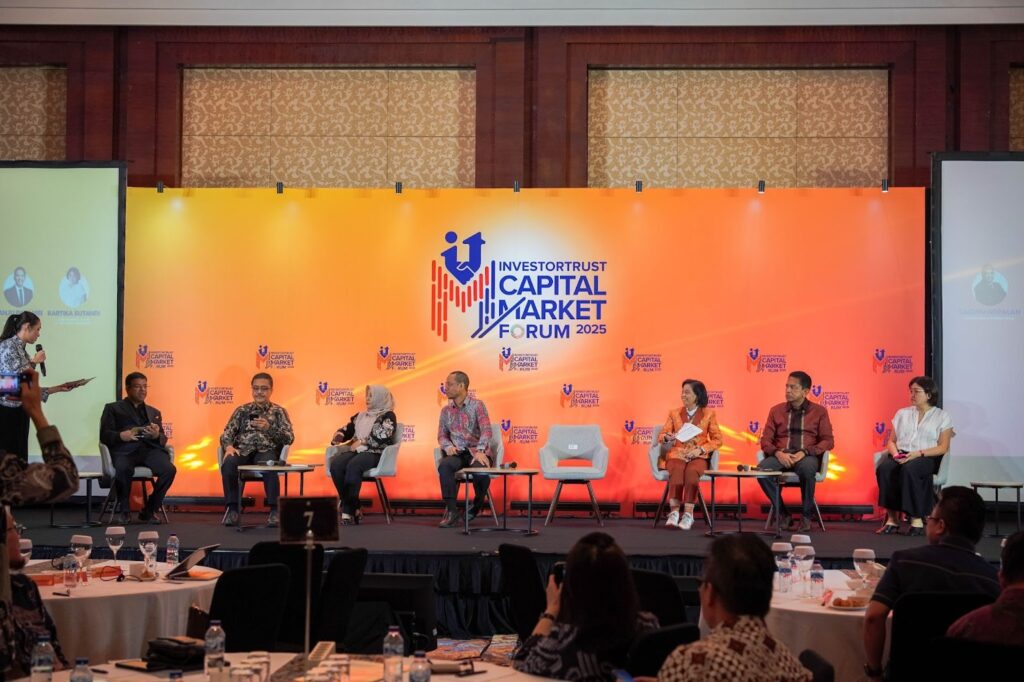
Following the keynote sessions, the panel discussion provided a deeper look into Indonesia’s practical challenges. Moderated by InvestorTrust Director Sachin Gopalan, the panel brought together regulators from OJK, the Indonesia Stock Exchange (IDX), KSEI, KPEI, and industry players including UBS, Jarvis Asset Management, and Remiges. The discussion painted an honest yet optimistic picture of what must be done for Indonesia to reach world class capital market standards.
Broto Endianto, Head of IT Development at IDX, stated that Indonesia is on the right track. IDX is targeting a major upgrade of its trading engine by 2026 using more advanced technology, including artificial intelligence to detect abnormal trading patterns and increase system capacity. But Broto reminded participants that the exchange cannot work alone. With 93 broker members and many other interconnected players, technology upgrades must happen across the ecosystem.
From a regulatory standpoint, Pepek Marsiah of OJK noted that manual supervision is no longer relevant in a market with 2.3 million daily transactions. OJK now uses big data and machine learning to detect anomalies in real time. She emphasized the need for stronger coordination among regulators, SROs, and industry players so that Indonesia’s capital market grows not only bigger but stronger and more trustworthy. “We need to work together. With proper coordination, we can grow much higher,” she said.
Industry voices added further perspective. Ranju Parambi, Managing Director of UBS, stressed that Indonesia cannot achieve high economic growth relying only on conglomerates or state-owned enterprises. Entrepreneurs create jobs and drive innovation. Without access to risk capital, they cannot scale into major companies. Expanding IPO pathways and boosting the attractiveness of the capital market, he said, must be priorities.
From the asset management side, Kartika Sutandi of Jarvis pointed to the core issue of liquidity. Indonesia’s weight in the MSCI index has dropped from 4 percent to 1.3 percent over a decade. When a market’s weight becomes too small, global fund managers stop allocating active attention. Kartika argued that deeper domestic liquidity is essential to regain global interest.
The panel also discussed three major fraud cases in Indonesia that mirror India’s past financial crises. These included manipulation of illiquid stocks, account theft through phishing, and API compromise between brokers and RDN banks. Lily Widjaja of the Association of Securities Companies explained that these issues stem not from weaknesses in the core exchange systems, but from gaps in processes at the member level. This analysis was reinforced by Shuvam Misra of Remiges Technologies, who noted that the patterns are nearly identical to what India experienced before its own technology reforms.
Sachin Gopalan closed the discussion with an analogy. Indonesia’s capital market ecosystem is like an orchestra with many talented players but no conductor. The panel agreed that Indonesia has all the elements needed to take a major leap. The challenge is not capability, but rhythm and coordination. If all stakeholders move in sync, a five to seven year transformation similar to India’s is well within reach.
A Moment for India and Indonesia to Move Forward Together
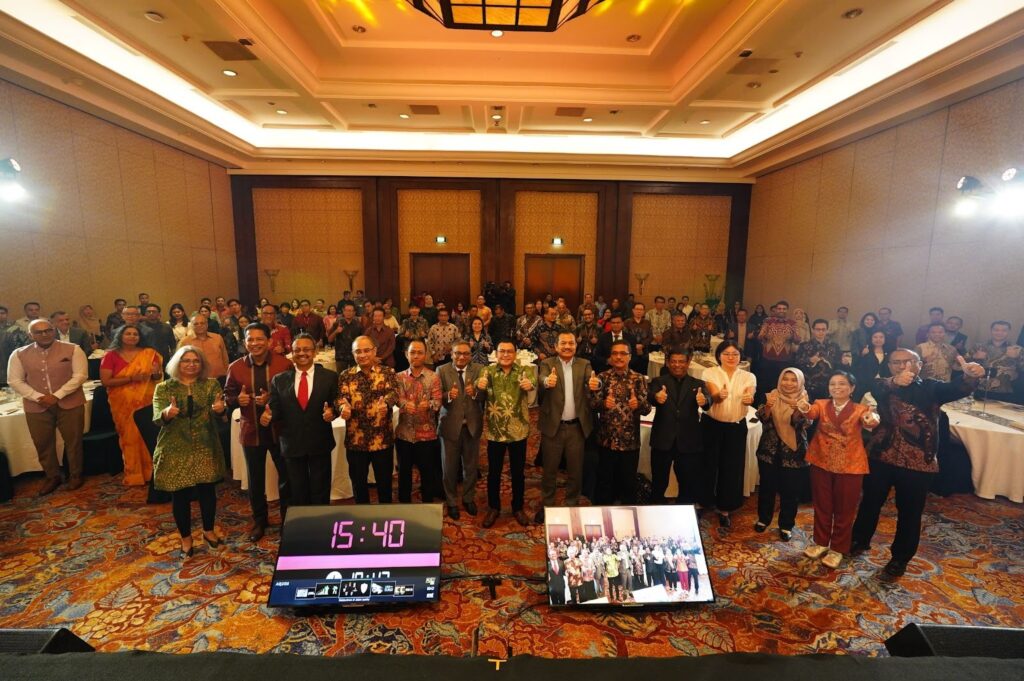
The InvestorTrust Capital Market Forum 2025 concluded with a shared understanding that Indonesia has a rare opportunity to accelerate its capital market development and close the gap with global peers much faster than previously imagined. The three keynote speeches from India and Indonesia made the vision and direction clear. The panel discussions demonstrated that infrastructure, regulation, and industry players are aligned in recognizing the urgency of transformation.
All speakers agreed that Indonesia’s success will not be determined by a single institution or a single policy. Transformation can only happen if the government, regulators, exchanges, industry players, banks, and investors move in the same rhythm. Technology can accelerate progress, regulation can strengthen the foundation, and education can expand the impact, but coordination will determine how fast Indonesia can reach its goals.
Indonesia is at the beginning of a new chapter. With a more connected ecosystem, a more aligned vision, and clearer political will, the country has a strong chance to build a capital market that is inclusive, modern, and globally competitive. As highlighted throughout the forum, the question is no longer whether Indonesia can catch up. The real question is whether the country can move fast enough and move together.