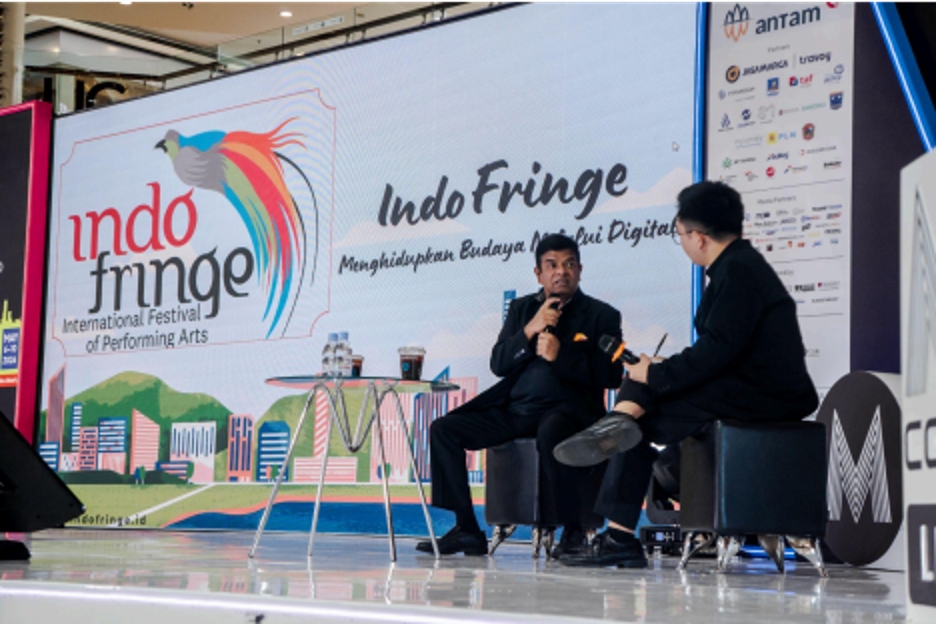
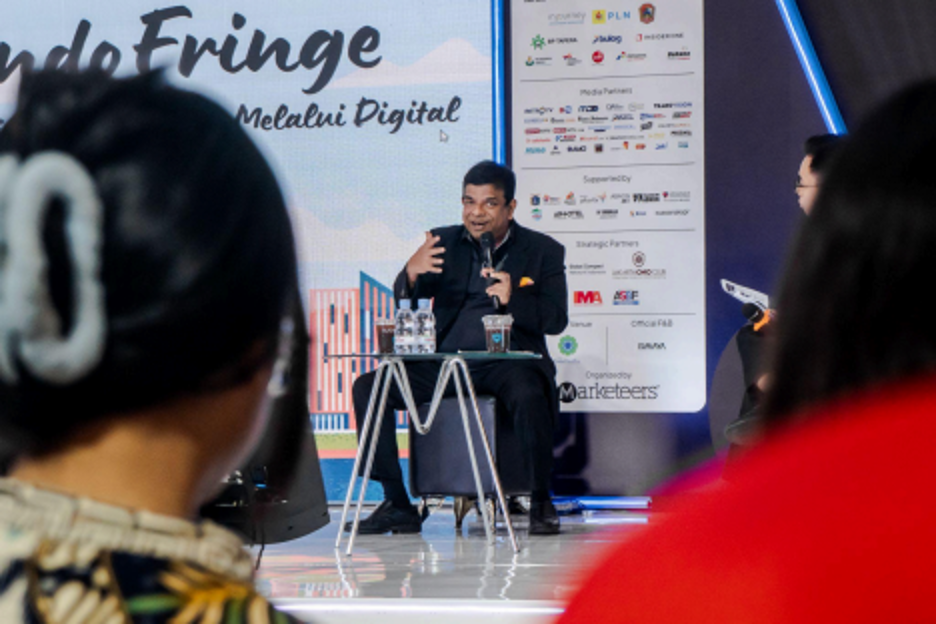
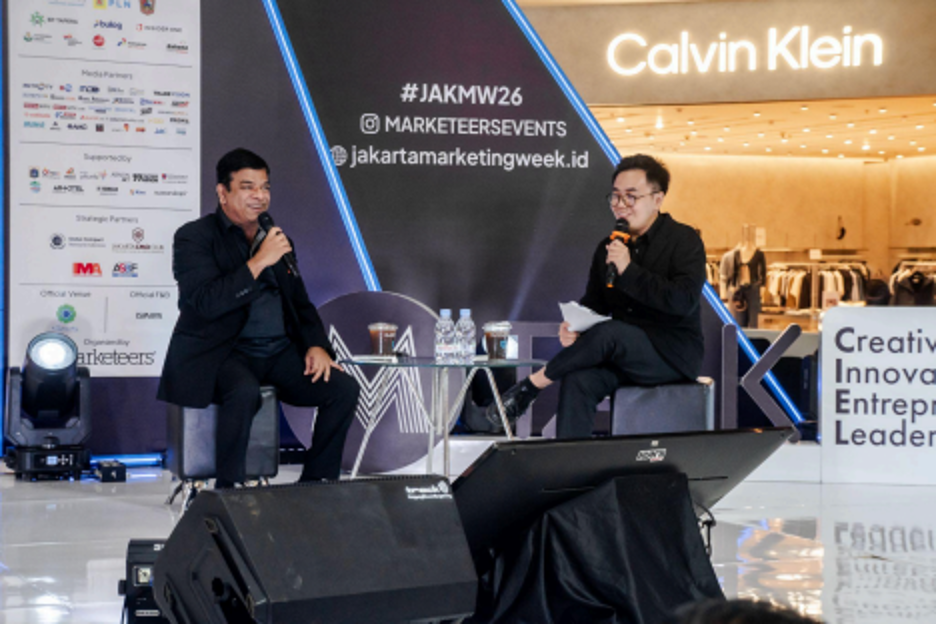
Jakarta (India News Desk) — Sachin Gopalan, founder and driving force behind IndoFringe, emphasized the importance of digital transformation in building a more inclusive creative economy ecosystem for Indonesia’s younger generation. He delivered the remarks during the talk show “Digitizing Culture and Creativity: Powering the Next Wave of Creative Economy” held on the opening day of Jakarta Marketing Week 2026 at Kota Kasablanka on Wednesday (May 6, 2026).
During the discussion, Sachin explained that IndoFringe is no longer merely a youth arts and creativity festival, but is evolving into a digital-based creative economy movement connected to the Indonesia Open Network (ION), an open digital commerce infrastructure supported by the government.
According to him, the initiative is aimed at addressing some of the biggest challenges currently faced by creative economy players, particularly limited market access and the high commission fees imposed by conventional digital platforms.
“The creative economy struggles because the commission structure is too expensive. Many platforms take commissions ranging from 25 to 40 percent. That is why we are building the Indonesia Open Network with much lower fees, around two to three percent,” Sachin said during the session.
IndoFringe Prepares Digital Marketplace for Young Talent
Sachin revealed that his team is currently developing a new digital platform for IndoFringe, targeted for launch in October this year. The platform is designed as a marketplace for high school students, university students, and unemployed youth to directly offer their skills to the market.
He highlighted various types of creative work that could be accessed through the platform, including photography, videography, graphic design, content writing, and other digital economy-related creative services.
According to Sachin, many young Indonesians possess talent and skills but lack access to commercial opportunities. The platform, he said, is expected to bridge the gap between young talent and the creative industry.
“If they have talent, they can market it digitally and get short projects. The value may not be huge, but it can become a source of income for young people,” he stated.
He added that the platform would eventually include features such as buying and selling services, equipment rentals, creative services, job listings, and connectivity with other applications integrated into the open network ecosystem.
Connected to Indonesia Open Network
During the talk show, Sachin also highlighted the role of the Indonesia Open Network (ION), which he described as a critical foundation for democratizing Indonesia’s digital economy.
He explained that ION is a public commerce infrastructure being developed in collaboration with the Indonesian Ministry of Communication and Digital Affairs and the Ministry of SMEs to provide more affordable access to digital services for the public.
“If platforms take excessively large commissions, eventually only the platforms become rich. The government wants commerce to be more democratic so society can also benefit from the digital economy,” he said.
Through integration with ION, creative talents within IndoFringe will later be able to offer their services through major applications connected to the network, including telecommunications operators and other digital platforms.
Sachin believes the open network model will create broader opportunities for independent creative workers such as MCs, moderators, singers, painters, and content creators to access markets without being burdened by excessive platform fees.
From Arts Festival to National Movement
Over the past three years, IndoFringe has expanded rapidly. Sachin stated that more than 500 schools have participated in various festivals organized by the movement.
He recalled that many schools were initially hesitant to join inter-school festivals due to concerns over potential student conflicts. However, the experience over the years has shown that arts and creative activities help foster a more peaceful and collaborative environment among young people.
“Creative economy activities make young people more friendly and collaborative. It is different from sports competitions, which can sometimes become overly competitive,” he said.
Moving forward, IndoFringe plans to expand further by involving universities and creative communities across Indonesia. By 2028, the organization aims to hold 500 simultaneous festivals nationwide within a span of 10 days.
According to Sachin, digitalization will be the key to achieving this ambitious target, as coordination, volunteer mobilization, and promotional activities will all be connected through digital platforms.
Expanding Beyond Traditional Arts
Sachin also stressed that IndoFringe is not limited to performing arts alone. He argued that all activities involving creativity, communication, exhibitions, and technology can become part of the creative economy ecosystem.
During the Q&A session with students attending Jakarta Marketing Week 2026, he mentioned that areas such as technology, digital content, and national electronics competitions could also become part of IndoFringe as long as they are packaged in the form of exhibitions or performances.
He noted that today’s creative economy has evolved far beyond traditional art forms, encompassing content creation, videography, script writing, gaming, and digital exhibitions.
“We want everyone to bring their ideas and commercialize them. It should not only be voluntary activities, but also business propositions,” he said.
Message for the Younger Generation
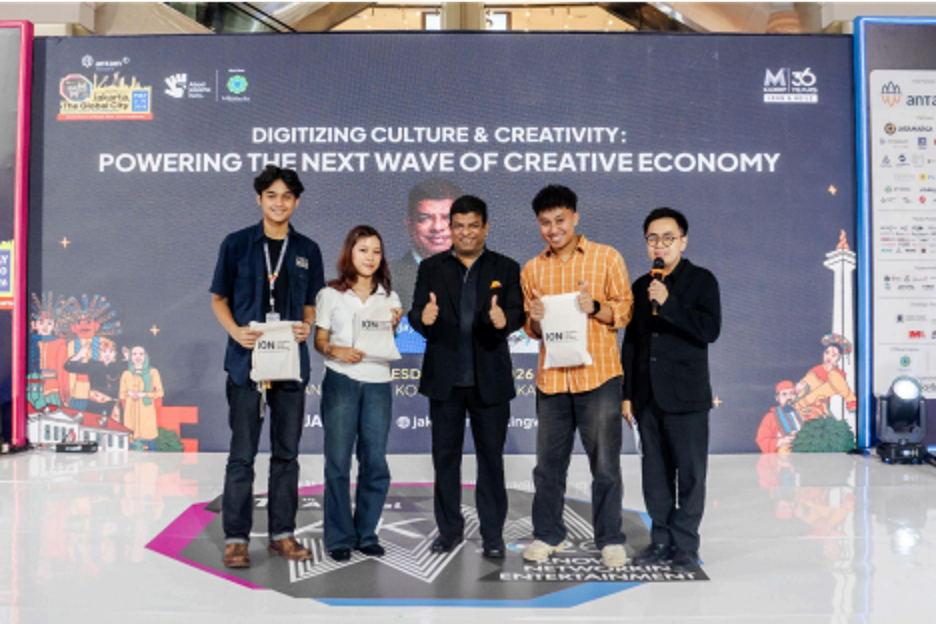
Closing the discussion, Sachin reminded young people not to become entirely dependent on technology and artificial intelligence in their daily lives.
According to him, communication skills and the courage to ask questions remain among the most important abilities in the digital era.
“Today everything can be searched through Google or ChatGPT, but human interaction remains essential. Human in the loop must always exist,” he told participants at Jakarta Marketing Week 2026.