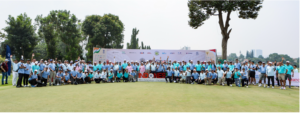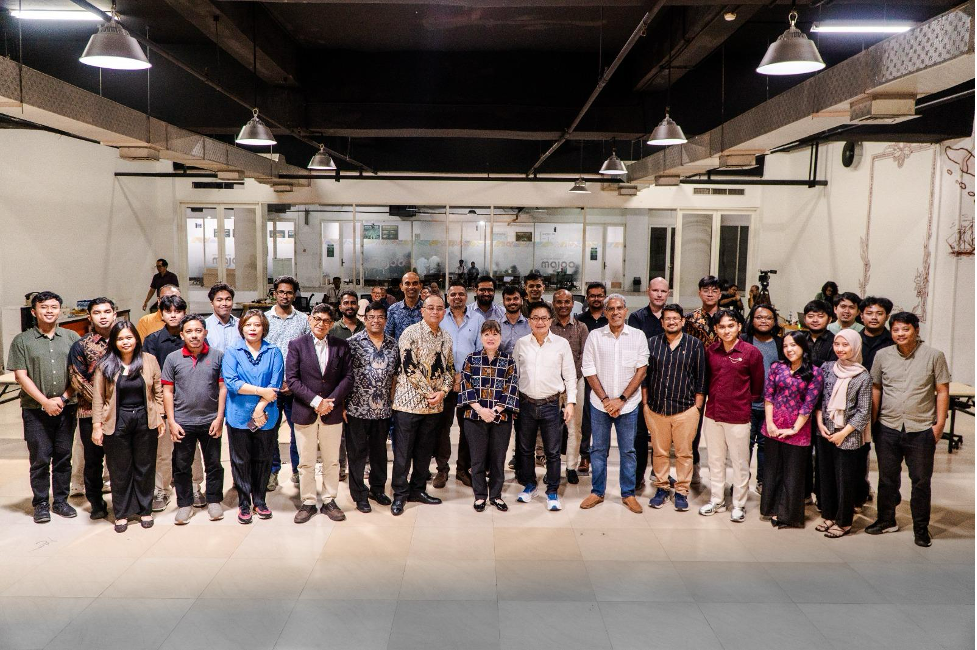
Jakarta — Indonesia Open Network (ION) is pushing for the development of an open digital ecosystem that is expected to expand Indonesian MSMEs’ access to digital commerce, logistics services, and financing through an interconnected network. This was reflected during the closing session of the ION Launch Workshop at SMESCO, Jakarta, on Friday (22/5/2026), which showcased various open network-based applications developed by Indonesian and Indian developers during four days of intensive training.
The workshop was attended by Apindo Chairwoman and ION Mission Governance member Shinta Kamdani, ION Mission Governance member and Indian Ambassador to Indonesia Sandeep Chakravorty, ONDC India Founding MD and CEO as well as ION Mission Governance member T Koshy, and ION Steering Committee member Dr Bayu Prawira Hie.
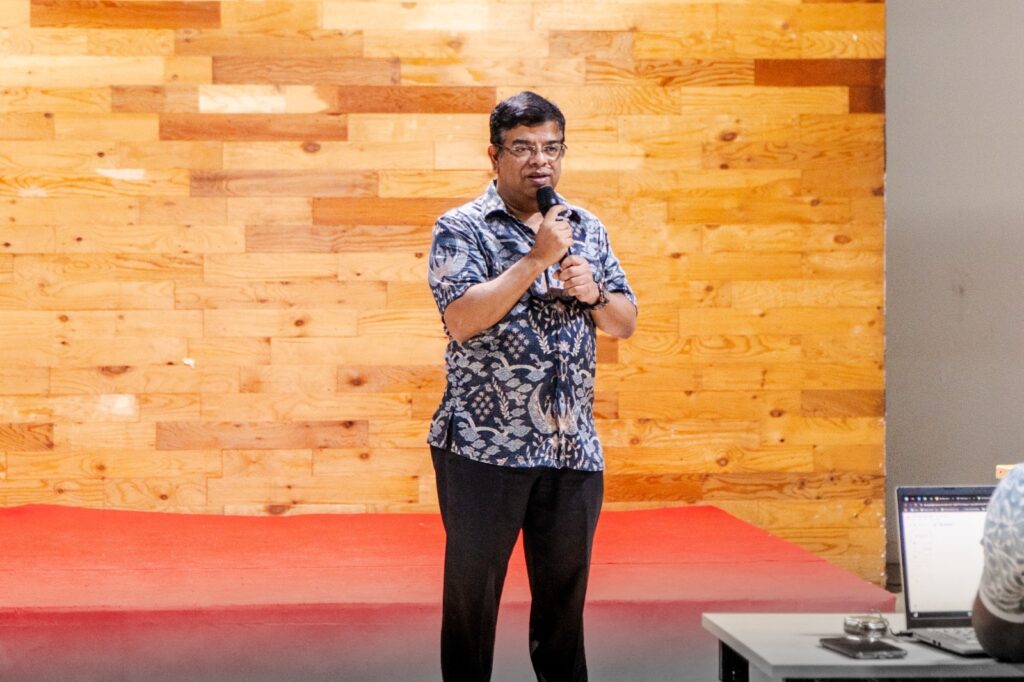
In his remarks, CEO of Indonesia Economic Forum (IEF) and one of the key drivers behind ION, Sachin V. Gopalan, explained that the workshop was designed to demonstrate how digital application development can now be carried out much faster through the support of AI and open network systems.
He said the applications showcased during the workshop were built from scratch and made ready for demonstration within just a few days.
“Usually, software development like this takes two to three months, but this time it was completed in just two to three days with the help of AI,” he said.
According to Sachin, the open network concept enables products and services from one application to be accessed by multiple other applications within a shared ecosystem. This differs from conventional digital platforms, which tend to operate within closed systems.
“In the future, there will be hundreds of buyer applications in Indonesia. Everything will be interconnected, allowing anyone to buy from anywhere. That is the power of a network compared to a platform,” he said.
He added that ION was built to reduce barriers for businesses and developers seeking to enter the digital ecosystem.
Marketplace and MSME Financing Demonstrations
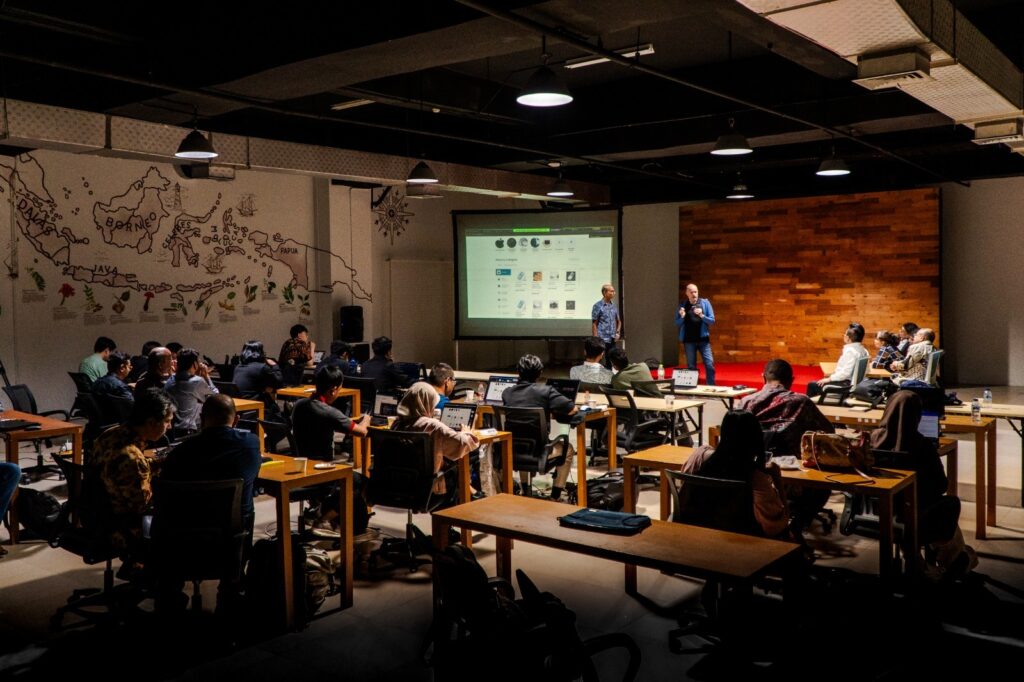
During the demonstration sessions, several companies and developers presented ION-based applications covering MSME marketplaces, supply chain distribution, social commerce, and financing services for small businesses.
One demonstration showed how sellers could publish product catalogs into an open network, making them accessible simultaneously across multiple buyer applications.
The system also enables transactions, delivery tracking, and ratings systems to operate across applications.
“Seller apps that are already connected will immediately become available across all buyer apps in the network,” explained one participant during the demonstration.
The workshop also featured a social commerce application connecting influencer campaigns with product sales through the open network. The platform uses AI to predict content performance and improve sales conversion rates.
Developers explained that the approach was designed to accelerate open network adoption by leveraging Indonesia’s strong social media and mobile commerce culture.
“The most important thing is the network effect and solution adoption so the ecosystem can succeed in the long term,” said one technology company representative participating in the workshop.
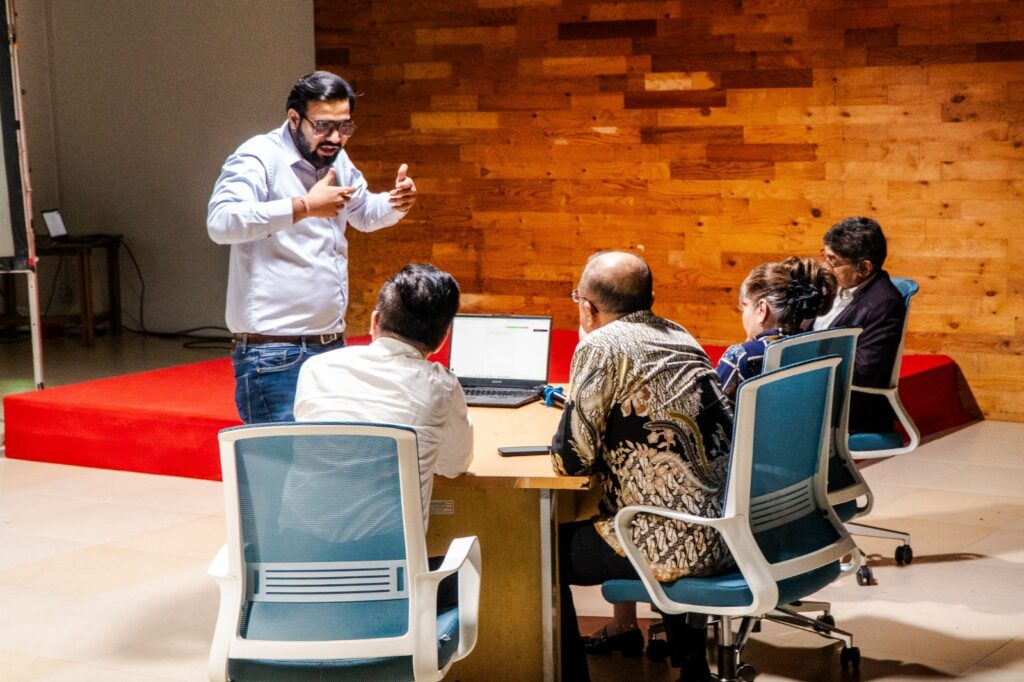
Another participant from technology company Ayantram also demonstrated the use of AI and voice interaction technologies during the showcase. One participant explained that the system was used to assist product searches, translate catalogs, and support transaction flows in a more natural and multilingual way.
“AI helped us understand user requests, translate catalogs from Bahasa Indonesia into English, and guide users from product discovery to the ordering process,” said one workshop participant from Ayantram.
He added that the use of AI also helped create a more user-friendly experience across digital transaction workflows.
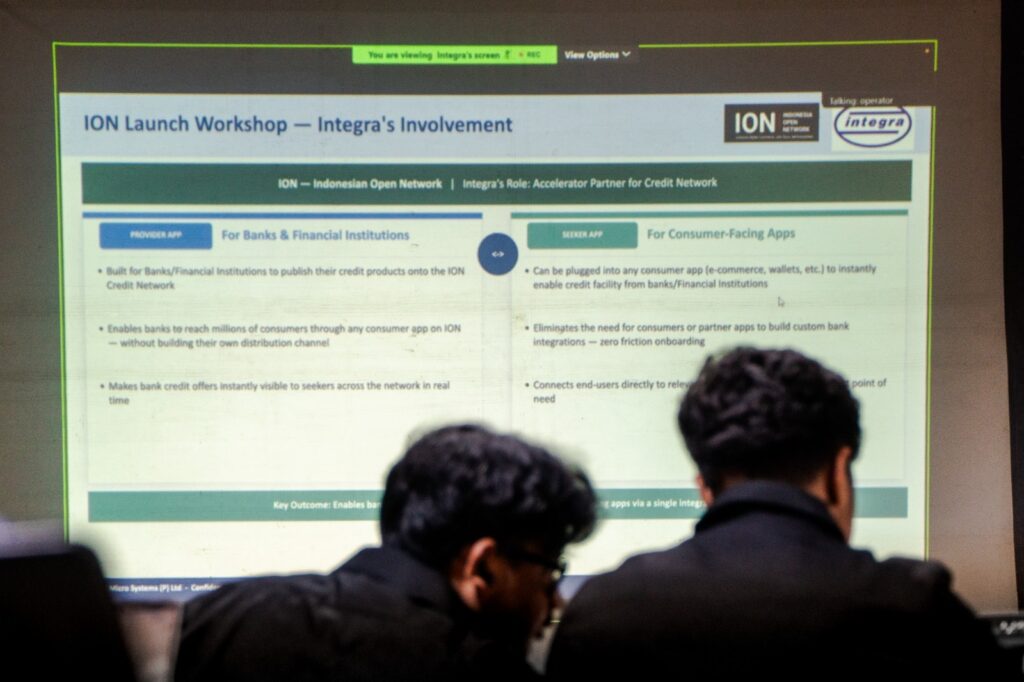
In addition, the workshop showcased MSME financing solutions that allow financial institutions’ credit products to become instantly accessible across various consumer applications within the ION ecosystem.
“Published credit products immediately become available to millions of consumers across applications within the network,” said one participant from an Indian technology company.
MSMEs Seen to Gain Easier Access to the Digital Ecosystem
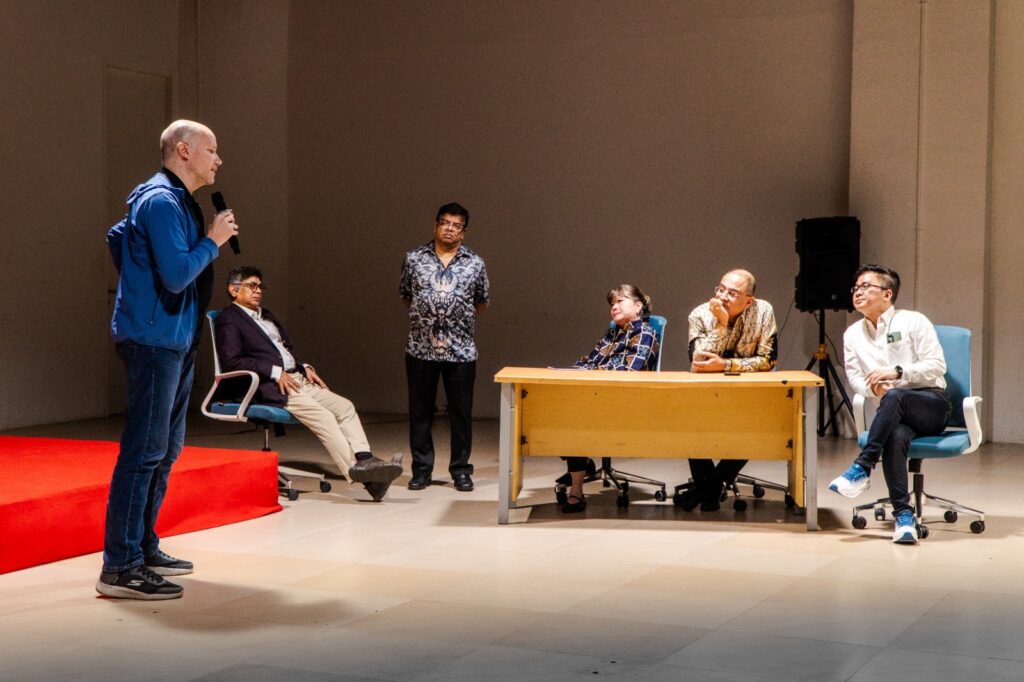
Several workshop participants from the MSME sector and local developer communities said ION has the potential to simplify the digitalization process for small businesses in Indonesia.
One participant noted that open network systems allow seller data to become more integrated, making transactions and product distribution more efficient.
“The conclusion from today’s workshop is that seller data will become more centralized, making future processes easier,” said one workshop participant.
Another participant developing a platform for thousands of assisted MSMEs said ION opens up new opportunities for small businesses to publish products more easily across wider digital networks.
“We oversee more than 10,000 MSMEs. After learning about ION, we created an application so MSMEs can publish their products into the network,” he said.
ION Expected to Expand Digital Inclusivity
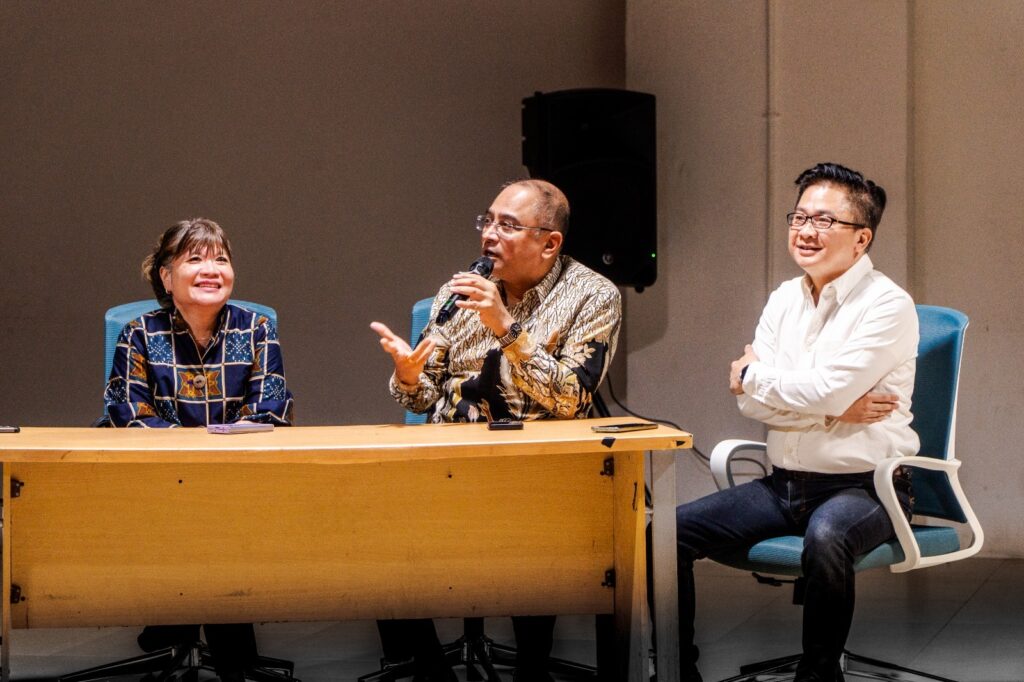
Sandeep Chakravorty said the various use cases showcased during the workshop demonstrated that open network systems have strong potential to grow in Indonesia.
“For the first time, I saw firsthand what could be achieved in just two days. All the use cases presented were extremely interesting and showed the enormous potential of open network development,” he said.
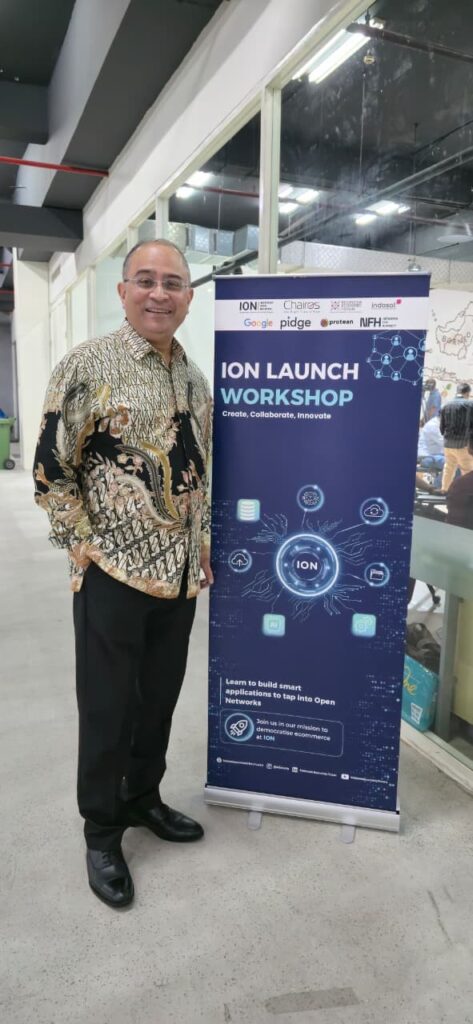
He also noted that openness within the digital ecosystem would become an important factor in expanding participation among MSMEs and local developers in Indonesia.
“I fully support this initiative and hope it achieves critical mass so it can truly create an impact,” he added.
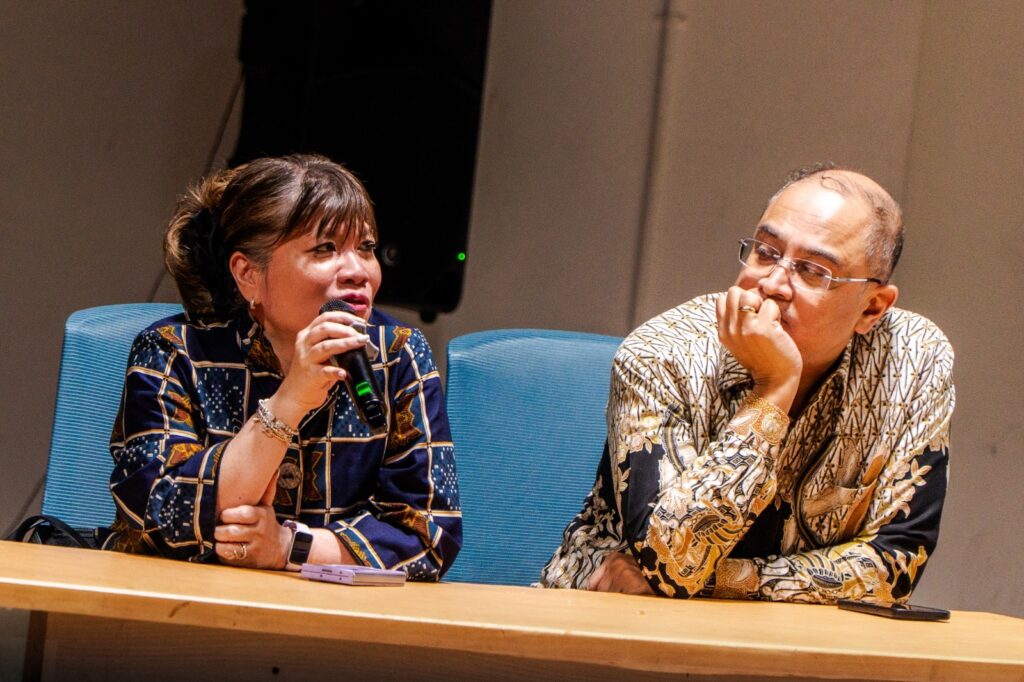
Shinta Kamdani said the implementation of ION has the potential to broaden digital access for Indonesian MSMEs, especially after witnessing various applications developed within a short period of time.
“I recently returned from several activities and met many MSMEs. This opens huge opportunities for MSMEs to become more connected, both in terms of accessibility and affordability,” she said.
She also believes that open networks can create a more inclusive digital ecosystem by allowing more businesses to leverage AI and e-commerce openly.
“It is very important that once this is fully launched, people become excited and utilize it. Open networks can unlock many new possibilities,” she said.
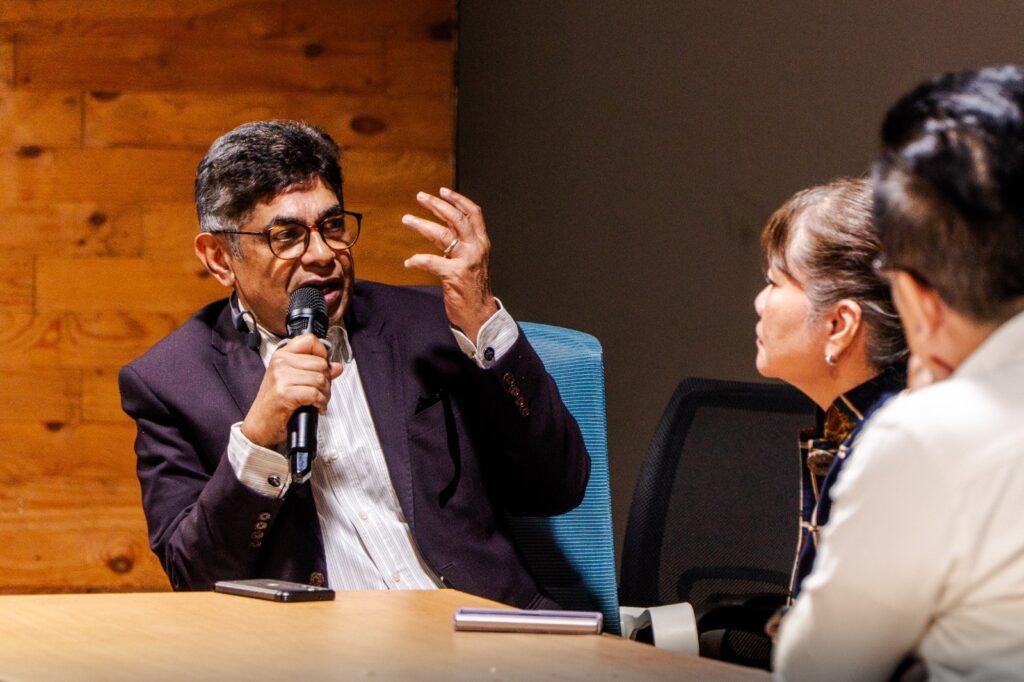
Meanwhile, T Koshy praised the workshop’s results, saying they demonstrated the massive potential of open network-based application development within a short period.
“This is only the result of about three days of work. Imagine if programs like this were carried out every month in cities and villages, then within six months there would be hundreds of applications being built,” he said.
According to him, open networks could significantly reshape Indonesia’s digital commerce landscape over the next few years.
Expected to Become the Foundation of a New Digital Economy
ION is not intended merely as a technology project, but is expected to evolve into the foundation of a more open digital commerce ecosystem in Indonesia. Through the open network concept, small businesses would no longer depend on a single platform to reach markets, but instead be connected to multiple applications and services within one interconnected ecosystem.
Through the workshop, ION also aimed to demonstrate that digital technology development is no longer exclusive to large corporations. With the support of AI and open systems, local developers, startups, and MSMEs are expected to have greater opportunities to build their own digital solutions tailored to Indonesia’s market needs.
For the demos, the team used Sahabat AI of Indosat as the intelligence layer behind the agents and integrated it with the Ayantram Sanjaya Voice speech-to-speech solution to create a more natural and interactive user experience. Sahabat AI was used to understand and reason over user input and business data, while Sanjaya Voice enabled seamless voice interaction throughout the demonstrations.
The AI integration supported multiple workflows within the demo ecosystem, including converting website data into structured ION catalogs, translating catalog information from Bahasa Indonesia into English, understanding user requests in natural language, and enabling multilingual interactions between buyers and sellers. It also powered natural product discovery without relying on complex filters and helped guide users through the full “search-to-order” journey — from finding products and asking questions to placing orders.
In the high-volume business demonstrations, the AI assistant was also able to understand order-related requests and assist with actions such as checking order details and preparing updates. Overall, the integration of Sahabat AI and Sanjaya Voice demonstrated how AI can make digital commerce experiences more accessible, multilingual, and user-friendly for businesses and consumers alike.
Going forward, ION is expected to encourage the emergence of more local applications, expand digital inclusivity, and open wider digital economic access for businesses in regions that have not yet been fully reached by the national digital ecosystem.