By Rafi Fadhilah, Editor, PT. Chairos International Ventures
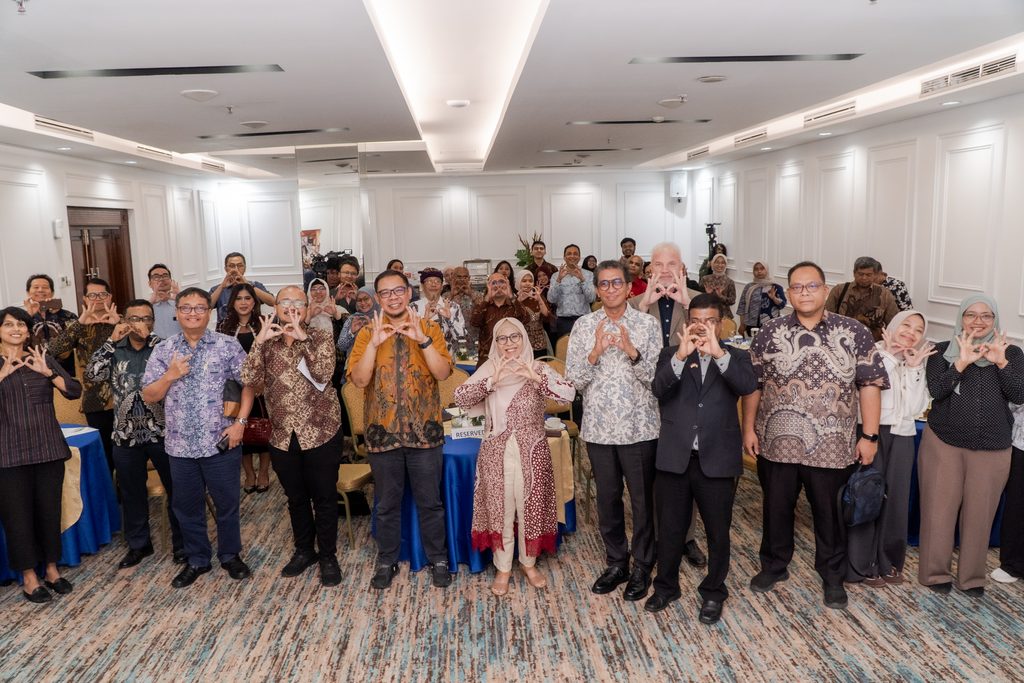
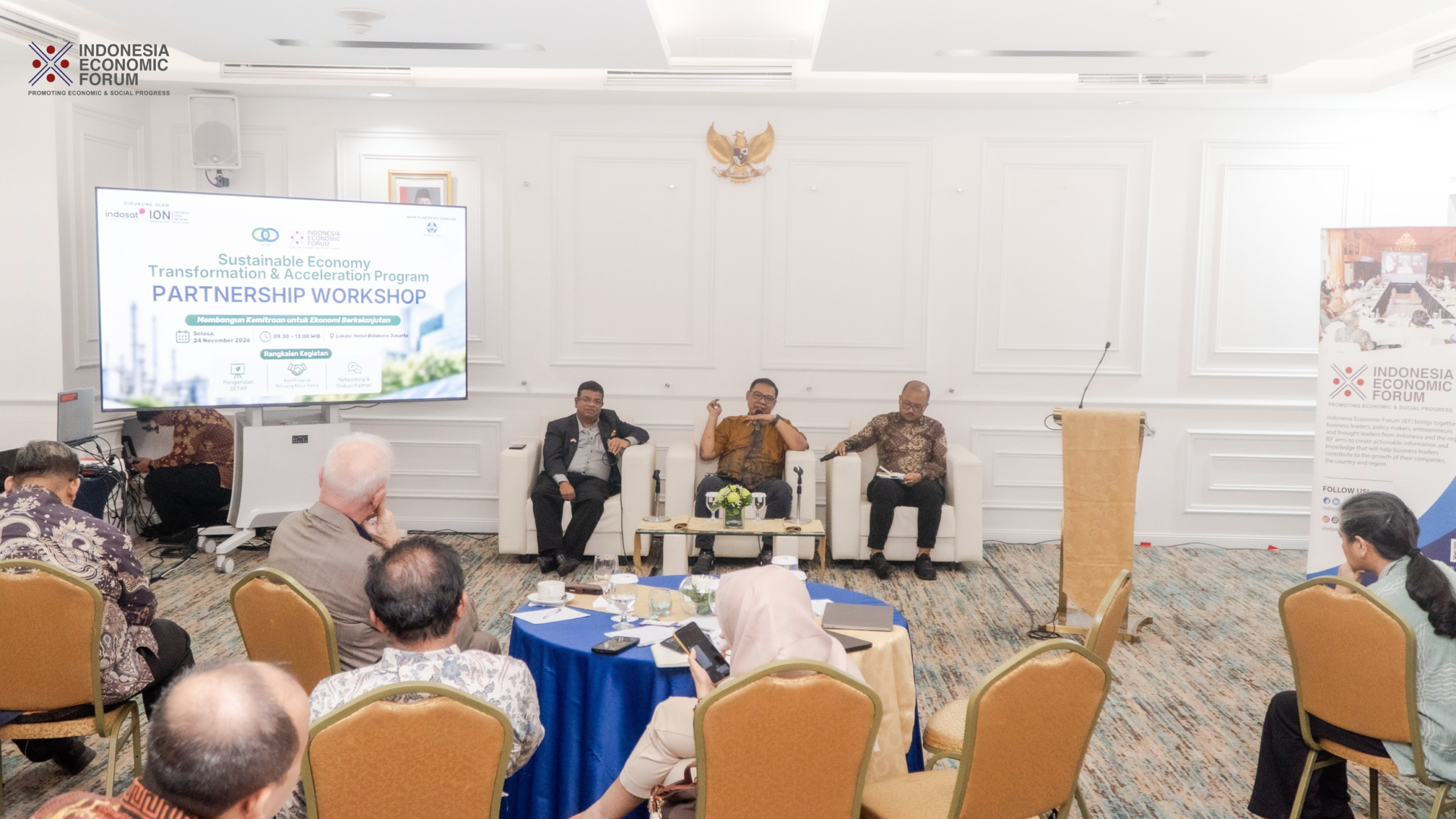
JAKARTA — The Sustainable Economy Transformation and Acceleration Program (SETAP) is promoting the acceleration of sustainability transformation in the industrial sector through collaboration among businesses, government institutions, associations, technology providers, and financial institutions. The initiative was discussed at the SETAP Partnership Workshop, themed “Building Partnership for Sustainable Economy,” held at Hotel Bidakara, Jakarta, on Tuesday (24 November 2026).
Organised by Indonesia Economic Forum (IEF), the workshop brought together various stakeholders to discuss the program’s development and potential partnerships to support the adoption of sustainable business practices in Indonesia. The discussion featured CEO and Founder of IEF Sachin V. Gopalan and Associate Fellow at The Habibie Center Apit Pria Nugraha, with Polikarpus Ivan serving as moderator.
Through SETAP, companies are expected to better understand relevant sustainability requirements, map their current conditions, assess their level of readiness, and determine improvement priorities based on their respective business needs. The program brings together Green Blue Nexus, which provides the sustainability readiness framework, IEF, which conducts the clinics, and The Habibie Center, which serves as the Founding Convener of Green Blue Nexus.
Making Sustainability a Business Strategy
In his presentation, Sachin V. Gopalan highlighted that sustainability is still often perceived by companies as an additional cost and operational burden. In reality, adopting sustainable practices can generate long-term economic benefits through energy efficiency, reduced operational costs, and improved competitiveness.
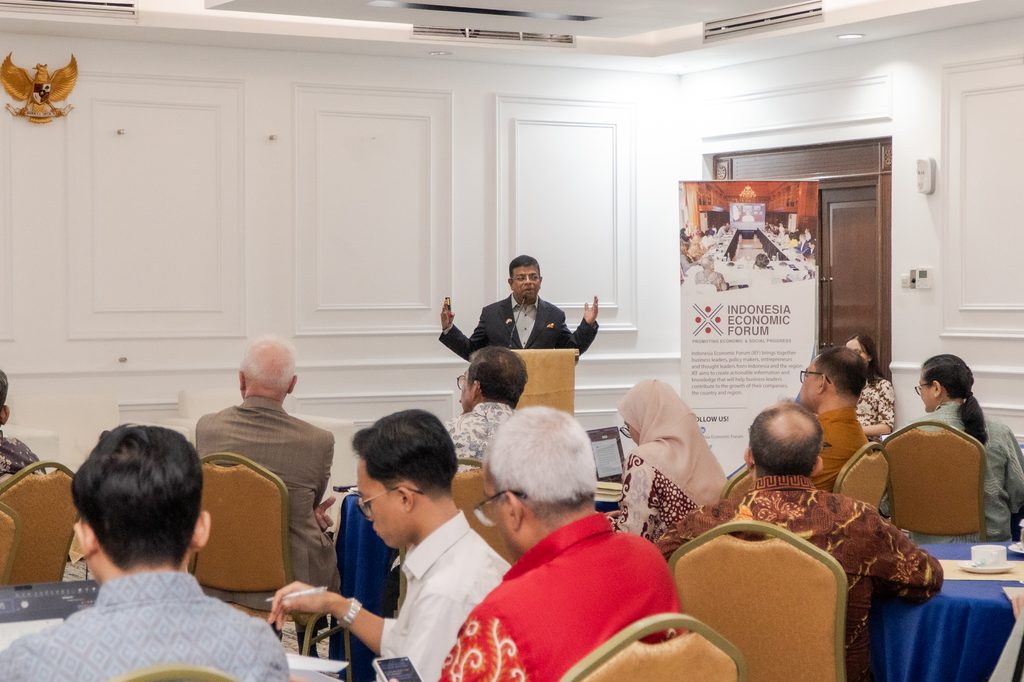
He noted that various sustainability initiatives are already underway, but remain fragmented and insufficiently coordinated. A collective approach is therefore needed to align stakeholder agendas and accelerate implementation.
Sachin emphasised that the industrial sector must play a leading role in this transformation, given its contribution to energy consumption and emissions. However, these efforts require support from a broader ecosystem, including government institutions, associations, technology providers, and financial institutions.
Mapping Companies’ Readiness and Needs
Apit Pria Nugraha explained that companies face various sustainability requirements arising from government regulations, international standards, investors, buyers, and financial institutions. Based on its initial mapping, SETAP has identified 48 sustainability requirements as a reference to help companies understand which requirements are relevant to their business activities.
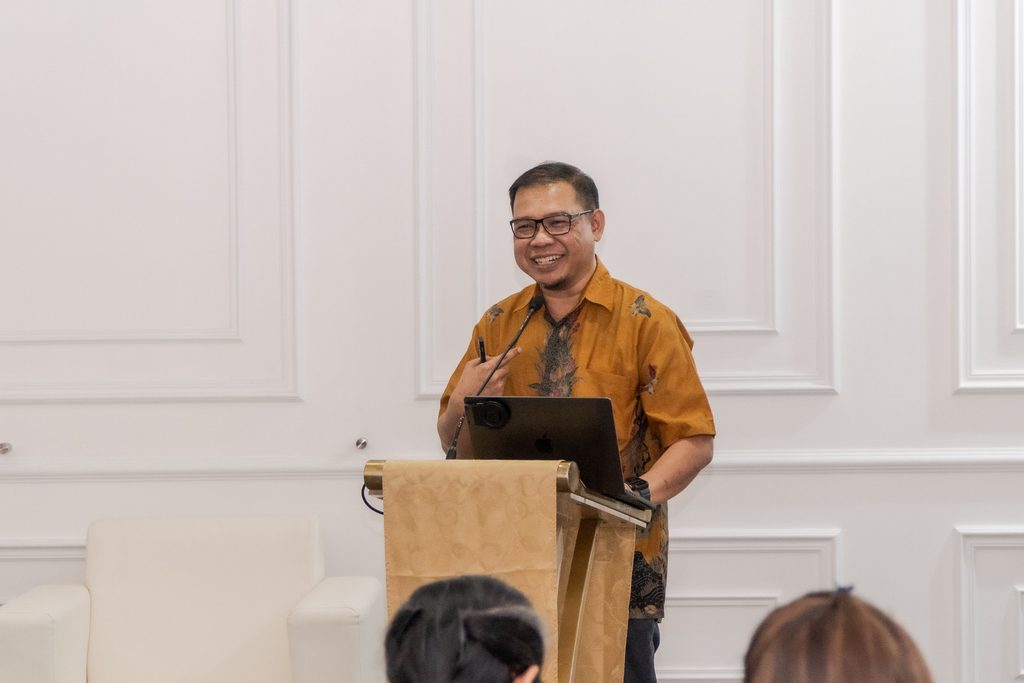
Through an artificial intelligence (AI)-based digital platform, companies can conduct self-assessments by providing information such as their business sector, products, energy consumption, and emissions profiles. The system helps map relevant requirements, identify gaps, and determine improvement priorities. Initial analytical results will still require review and consideration by experts.
Data plays an important role in this process. Qualitative information, including company policies, operational practices, monitoring processes, and assigned responsibilities, provides a basis for assessing readiness. Quantitative data on energy and water consumption, emissions, waste, and production can also be provided voluntarily to help clarify the scale of operational challenges and establish initial measurement benchmarks.
Apit explained that the assessment is intended to help companies identify what has already been implemented, what supporting evidence is available, and which areas require further attention. For example, if energy consumption is only recorded at the factory level and has not been broken down by production line, SETAP can help identify which areas should be monitored first, determine responsibilities, and establish what additional records are needed before considering efficiency investments.
A key component of the program is the SETAP One-Day Clinic, which connects sustainability requirements under Indonesian regulations and global market demands with practical actions at factory level. During the clinic, facilitators and company representatives review the initial situation, select one priority gap, and develop appropriate next steps. The expected outputs include an initial readiness profile and a follow-up guide tailored to the information available to the company.
Apit emphasised that SETAP serves as a consultative partner, not as a certification or verification body, nor as a replacement for government compliance assessment systems. The program focuses on helping companies understand their current conditions and readiness before determining their transformation strategies.
Data protection is also a key principle in the program. Basic data remains the property of the respective companies, while its use, access, and confidentiality are governed by agreed data-use and confidentiality arrangements. Companies may also indicate when certain information is unavailable or when they are not prepared to disclose it. Decisions regarding the use of the recommendations and implementation of follow-up actions remain with each company.
Four Approaches and SETAP’s Development Targets
SETAP is developing four main approaches: dialogue series, clinic series, a digital platform, and partnership activation. The dialogue series provides a space for exchanging ideas and aligning agendas, while the clinic series offers practical assistance in identifying challenges and exploring solutions that companies can implement.
The digital platform will support readiness assessments and monitoring, while partnership activation will connect the program with networks of companies, industrial estates, suppliers, associations, technology providers, and financial institutions.
Sachin stated that SETAP aims to engage 6,000 companies over three years. In 2027, the program plans to involve 2,000 factories, with at least two people from each company receiving training as sustainability practitioners. The program also targets conducting more than 100 clinics annually.
Banten and West Java will be priority areas for development in 2027, while companies from other regions will also remain welcome to participate. Through collaboration with various partners, SETAP also seeks to expand the reach of its assistance and connect industrial needs with technological solutions and financing opportunities..
Industry Perspectives: Efficiency, Supply Chains, and Sector-Specific Needs
During the discussion session, Sujit Vargis from Thermax emphasised that the energy transition must take economic feasibility and investment payback periods into account. Solutions such as the use of sustainable fuels, water treatment, and improved energy efficiency can help companies reduce operational costs. He also highlighted the potential for financing schemes and investments from technology providers to reduce companies’ initial capital burden.
Apit also explained that his team had previously conducted initial assessments of 25 companies in collaboration with the World Bank to identify potential interventions, technology requirements, costs, and financing opportunities. This experience has served as one of the foundations for developing SETAP’s approach
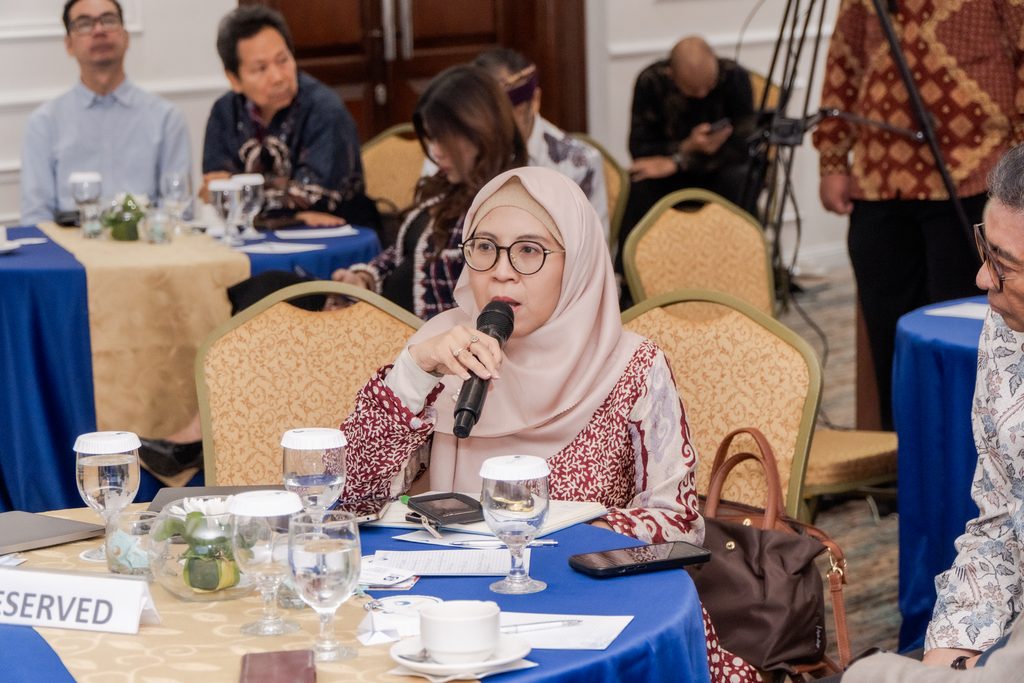
From the automotive sector, Junita Budiastrini from PT Toyota Motor Manufacturing Indonesia saw opportunities for collaboration through increased awareness and the mapping of sustainability readiness across supply chains, including first-, second-, and third-tier suppliers. SETAP could help identify suppliers’ levels of understanding and readiness before determining which companies could participate in pilot initiatives.
Meanwhile, Hari Noegroho from the Indonesia Packaging Federation (IPF) highlighted the need for a sector-specific approach to the packaging industry. Key challenges include food safety, material selection, technology, and cost implications. He encouraged collaboration involving brand owners, packaging converters, material suppliers, and experts to ensure that the program addresses the industry’s specific needs.
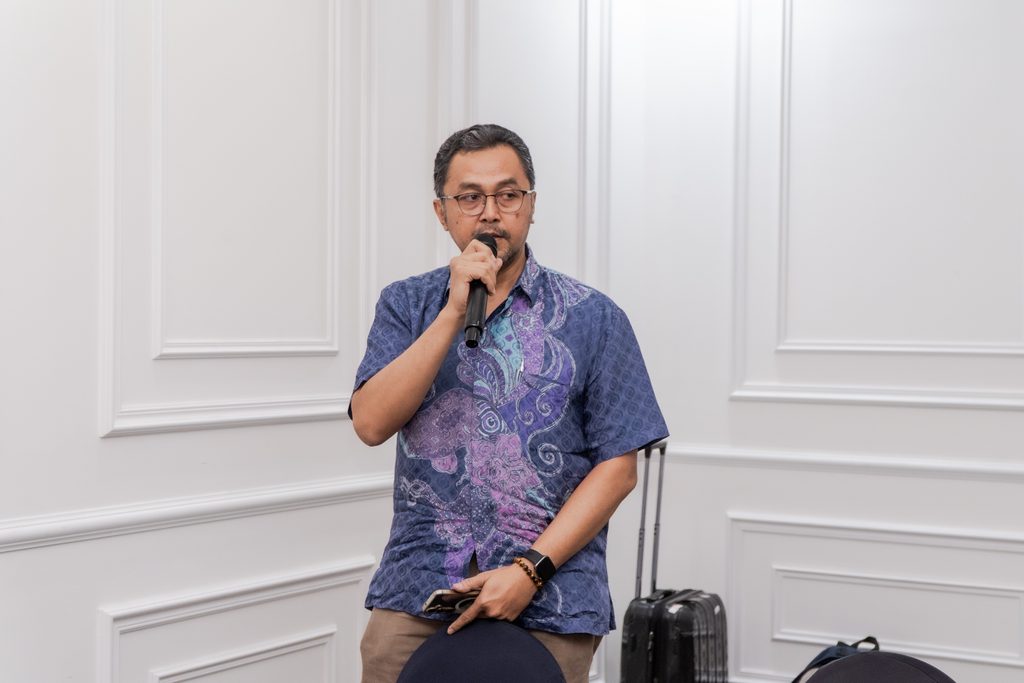
Edy Supriyanto from the Indonesian Plastic Recycling Association (ADUPI) also welcomed opportunities to collaborate with SETAP, particularly in strengthening the industry’s readiness to meet market and export requirements. He expressed hope that the program would also reach small and medium-sized enterprises, which have different needs for assistance.
Similarly, Aparna Saxena from the India Indonesia Chamber of Commerce (IndCham) noted that sustainability programs need to be tailored to the scale of each company. Large corporations generally face regulatory and corporate requirements, while SMEs still need basic education and practical assistance. She also emphasised the importance of government support in encouraging program adoption.
Opportunities for startup involvement were also raised by Ivi Anggraeni from Innotek Foundation. According to her, startups and SMEs need access to education and appropriate technologies to improve efficiency and adopt sustainable practices. Sachin added that startups have the opportunity to select suitable technologies from the outset, helping them avoid more complex transition processes in the future.
Building a Collaborative Movement
Concluding the workshop, Apit emphasised that SETAP was developed in response to real challenges faced by businesses. As every company has different characteristics and levels of readiness, input from various stakeholders is essential to ensure that the program delivers relevant benefits.
The workshop also provided an opportunity to identify potential contributions from industry associations, industrial estate managers, technical institutions, and other partners. These contributions may include reaching out to prospective company participants, supporting clinic implementation, and providing technical expertise. The discussions are expected to help identify partnership opportunities and establish follow-up actions.
Sachin also stressed that SETAP’s success depends on the involvement of the entire ecosystem. IEF and The Habibie Center position themselves as facilitators and coordinators of the initiative, rather than its sole owners. SETAP is expected to become a collective movement that strengthens existing sustainability initiatives.
Through cross-sector collaboration, SETAP aims to help companies move from understanding sustainability requirements towards readiness and concrete action, while supporting the development of a more efficient, resilient, and competitive Indonesian industrial sector.